




Performance Over Posing
Let’s get the definitions straight. Bodybuilding is an aesthetic sport. The primary goal is to develop a muscular, symmetrical, and lean physique for presentation on a stage. It’s about sculpting the body as a piece of art. Training is designed to maximize
muscle growth (hypertrophy) in specific body parts, often through isolated exercises like bicep curls and leg extensions. Strength training, on the other hand, is a much broader church. Its main goal is to improve performance—the ability to produce force. This can mean lifting the heaviest weight possible in sports like powerlifting and Olympic weightlifting, but for most people, it’s about functional strength. It’s about being able to carry all the groceries in one trip, lift your kid without tweaking your back, or simply move through life with more capability and less pain. The physique is a byproduct of the performance, not the primary objective.
The Rise of Functional Fitness
So, why the shift? A few cultural currents converged. First, the explosive growth of CrossFit in the 2010s mainstreamed performance-based training. It introduced millions to barbell movements like squats, deadlifts, and overhead presses, framing them as tools for developing GPP, or "General Physical Preparedness." Suddenly, the conversation in many gyms wasn't just "how much do you bench?" but also "how fast is your Fran time?" This created a permission structure for people to lift heavy without aspiring to look like a professional bodybuilder. It celebrated what your body could *do*, not just what it looked like. This functional mindset trickled down into mainstream gyms and personal training, where clients began asking for programs that would make them stronger for everyday life, not just for the mirror.
A More Inclusive Iron Paradise
Bodybuilding, particularly in its golden era, was an overwhelmingly male-dominated and visually intimidating world. Strength training has proven far more inclusive. Social media played a massive role here, showcasing a diverse array of bodies getting strong. Powerlifters, Olympic lifters, and everyday fitness enthusiasts of all shapes, sizes, ages, and genders started sharing their training journeys. Women, in particular, have flocked to strength training, shedding outdated fears that lifting heavy would make them "bulky." Instead, they found it empowering, beneficial for bone density, and a powerful tool for building confidence. Likewise, as the population ages, more older adults are picking up weights not for vanity, but for longevity—to combat muscle loss (sarcopenia) and maintain independence well into their later years. The goal isn't a six-pack; it's the ability to get up off the floor unassisted.
From Niche Sport to Wellness Pillar
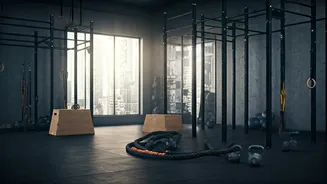
This evolution has reshaped the fitness industry. Boutique strength-focused studios have popped up alongside yoga and cycling chains. Major gym chains now dedicate significant floor space to squat racks, lifting platforms, and functional training zones—areas once relegated to a dusty corner. Marketing has changed, too. Brands like Nike and Lululemon feature athletes performing compound lifts, a far cry from the cardio-centric ads of the past. Ultimately, strength training’s boom is rooted in a redefinition of health. It has been decoupled from the singular pursuit of weight loss or aesthetic perfection and is now seen as a fundamental pillar of wellness, on par with cardiovascular health and good nutrition. The focus is on building a resilient, capable body that can serve you for a lifetime.