
It’s Not a Diet, It’s Dinner
The first rule of Grandma’s Kitchen is that there are no rules—at least not in the way we think of them today. No one was counting macros, tracking net carbs, or worrying about their “eating window.” The philosophy was simpler: you eat real food when
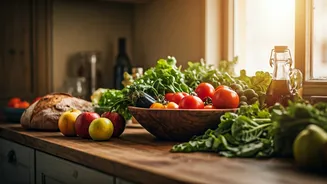
you’re hungry. A meal was built around what was available, affordable, and in season. That might mean a hearty stew in winter or a light salad with fresh-picked tomatoes in summer. The focus wasn’t on restriction, but on resourcefulness and satisfaction. Trendy diets often operate from a place of deprivation, labeling entire food groups as “bad.” Grandma’s kitchen, however, operated from a place of abundance, even when budgets were tight. It celebrated ingredients for what they were, not what they weren’t. There was butter, there was bread, there was sugar in the dessert—but they were balanced by a plate full of vegetables from the garden and a sense of occasion.
The Power of the Home-Cooked Meal
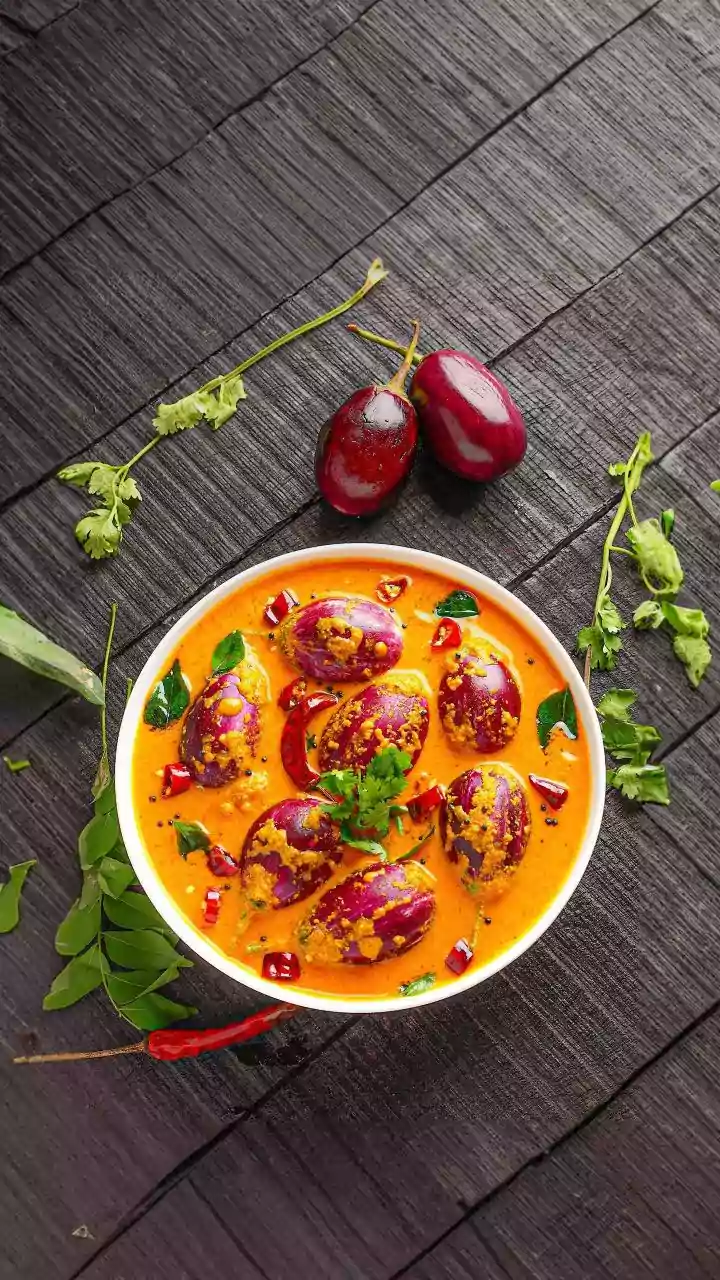
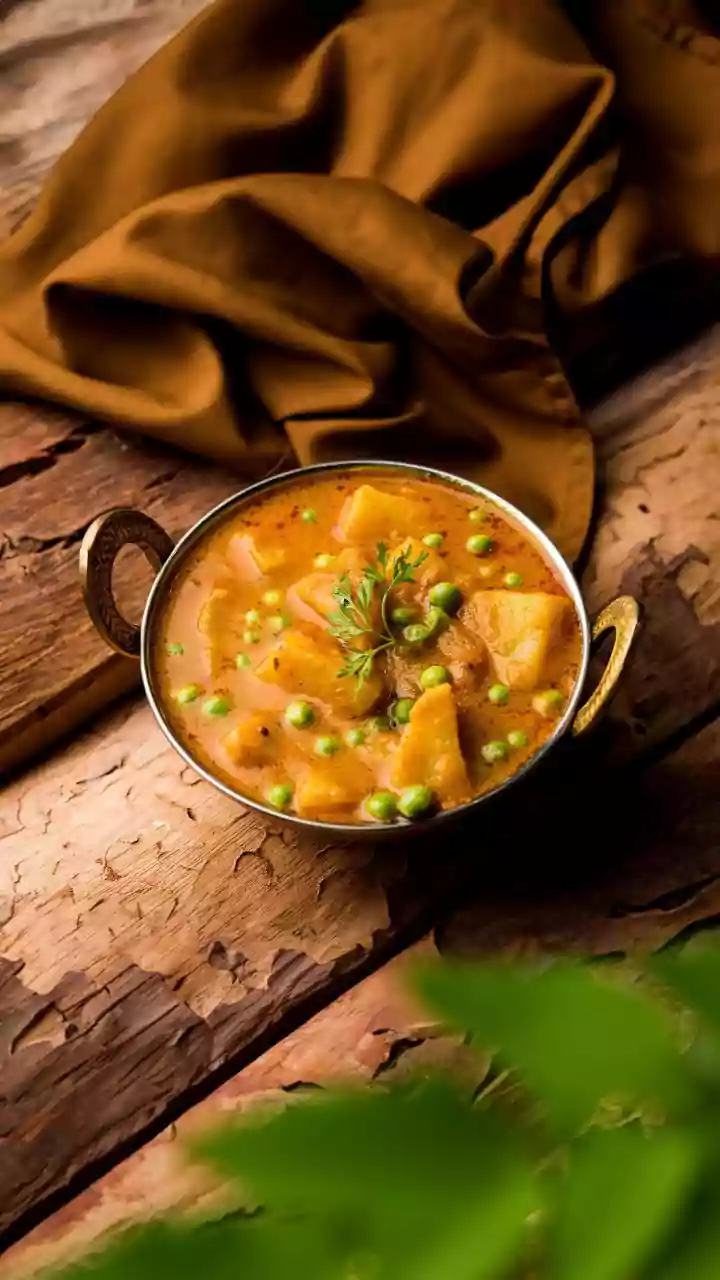
Before we outsourced our eating to restaurants, delivery apps, and the center aisles of the grocery store, cooking was a default skill. This simple act is perhaps the most significant health advantage our grandparents had. When you cook your own food, you control the ingredients. There are no hidden sugars, excessive sodium, or unpronounceable preservatives. You know exactly what’s in your shepherd’s pie or your chicken soup because you put it there yourself. This process also encourages natural portion control. A home-cooked roast chicken feels substantial and satisfying in a way that a protein bar or a pre-packaged diet meal never can. The time and effort involved in preparation imbue the food with value, encouraging you to slow down, savor it, and stop when you’re full. It’s a built-in mindfulness that modern diets try to artificially replicate with apps and journals.
Eating with the Seasons (and Common Sense)
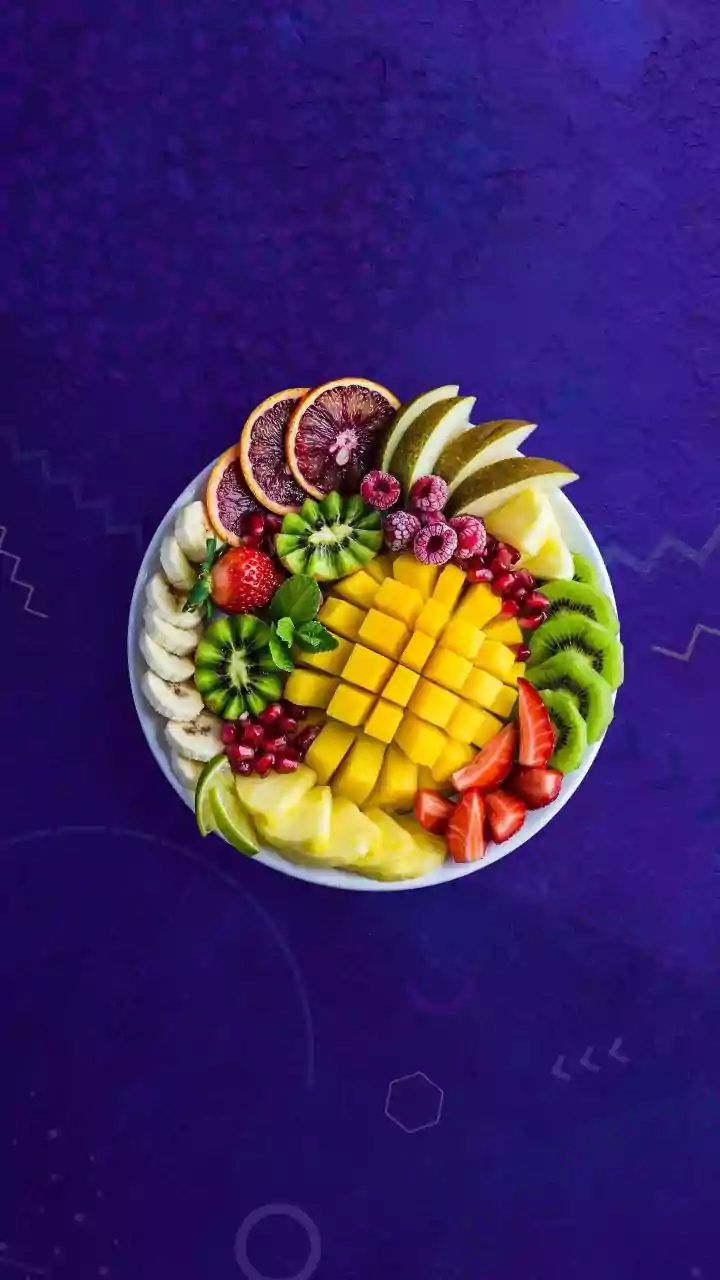
Long before “farm-to-table” became a trendy restaurant concept, it was just how people ate. Grandma’s menu was dictated by the calendar. Asparagus and strawberries in the spring, corn and zucchini in the summer, apples and squash in the fall. This wasn't a wellness strategy; it was a practical reality. But this reality has profound nutritional benefits. Foods eaten in season are typically at their peak in flavor and nutrient density. Eating seasonally also forces variety into your diet, ensuring a broad spectrum of vitamins and minerals over the course of a year—a far cry from the monotonous chicken-and-broccoli routine prescribed by some fitness gurus. Furthermore, this approach was inherently frugal. You bought what was plentiful and cheap. This principle of economy is a powerful counterpoint to the expensive powders, supplements, and specialty products that prop up the modern wellness industry.
The Forgotten Ingredient: Community
Perhaps the biggest thing trendy diets miss is the fundamental social nature of food. Grandma’s kitchen wasn’t a laboratory for optimizing human performance; it was the heart of the home. Meals were a time for connection, conversation, and family. The table was a place to share stories, not just to refuel. This social aspect of eating has powerful psychological benefits. It reduces stress, fosters a sense of belonging, and helps regulate our eating habits. When you’re engaged in conversation, you naturally eat more slowly, giving your brain time to register satiety. Compare that to the solitary, often rushed experience of eating a sad desk salad or a post-workout shake while scrolling through your phone. Diets can be isolating, turning food into a private battle of willpower. Grandma’s kitchen reminds us that food is meant to be a shared joy.