


From Rustic to Refined
For decades, the idea of a “jungle lodge” conjured images of mosquito nets, shared bathrooms, and a noble but rugged commitment to communing with nature. The reward was authenticity, but the price was comfort. That trade-off is rapidly disappearing. Today,
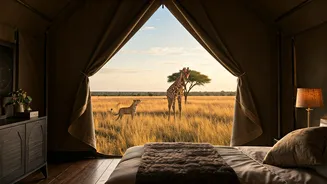
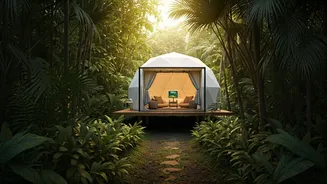
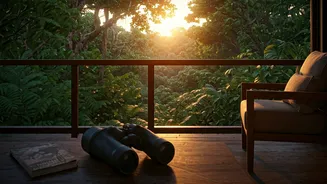
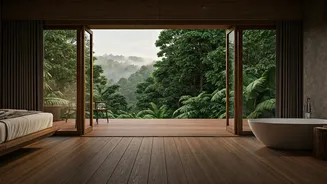
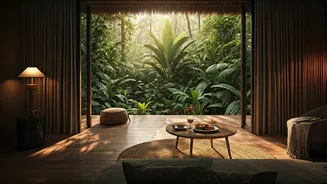
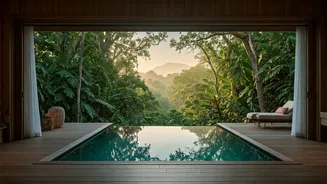
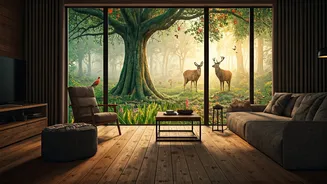
a new wave of premium lodges is delivering the thrill of deep-wilderness immersion without sacrificing the amenities of a five-star hotel. Think private plunge pools overlooking a lush canopy, chef-prepared meals using locally foraged ingredients, and open-air spas where the soundtrack is a symphony of tropical birds. This evolution isn’t about taming the jungle; it’s about building a more thoughtful and comfortable gateway into it. The focus has shifted from simply surviving the wild to savoring it in style.
Experience Is the New Luxury
This trend is fueled by a fundamental shift in what affluent American travelers want. The desire for material goods is being replaced by a hunger for unique, transformative experiences. A designer handbag is one thing, but the story of tracking a jaguar with an expert guide or waking up in a glass-walled villa surrounded by primary rainforest is a different kind of status symbol. These lodges are masters of experiential curation. Their 'premium' offering isn’t just the thread count; it’s the exclusive access. It’s the private naturalist who can identify every bird call, the boat trip into otherwise inaccessible wetlands, or the chance to participate in a genuine scientific research project. The luxury lies in the intimacy of the experience—small group sizes, personalized itineraries, and a feeling of having a slice of the wilderness all to yourself.
Sustainability as a Status Symbol
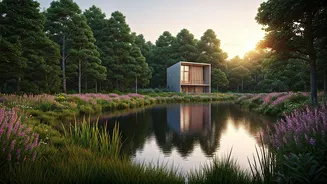
Crucially, this new definition of premium is deeply intertwined with conservation. The most sought-after lodges aren't just in the jungle; they are stewards of it. They operate on solar power, treat their own water, and run aggressive recycling and composting programs. Many are built on land that was once degraded or threatened, and their presence directly funds reforestation and the protection of wildlife corridors. For instance, lodges in Costa Rica’s Osa Peninsula or Rwanda’s Volcanoes National Park often channel a significant portion of guest fees directly into conservation non-profits and community development. Travelers return home not just with photos, but with the knowledge that their vacation actively contributed to protecting the very ecosystem they came to admire. In the modern luxury market, a demonstrable commitment to sustainability isn't just a bonus—it's a core part of the premium appeal.
Where the Wild Things Are Comfortable
This movement is global. In the Amazon, lodges like Inkaterra Reserva Amazónica in Peru offer treetop canopy walks and elegant cabanas connected by raised boardwalks, protecting the forest floor. In Belize, properties such as Copal Tree Lodge operate a 3,000-acre organic farm and produce their own craft rum, offering a 'farm-to-jungle' culinary experience. In Africa, gorilla trekking has been elevated by lodges like Rwanda’s Bisate Lodge, whose spherical, nest-like villas blend into the mountainside while offering breathtaking views and unparalleled comfort. These places prove that encountering wildlife doesn't require sacrificing wellness, design, or world-class service. They have successfully merged the raw, untamed beauty of the jungle with the sophisticated comforts modern travelers expect, creating a whole new category of dream destination.