






The Rise of the High-Tech Farmer
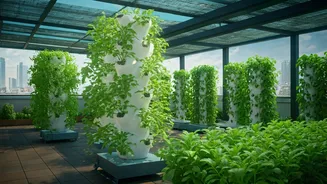
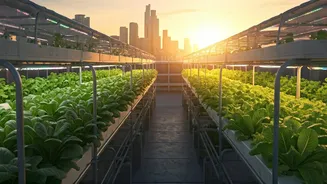
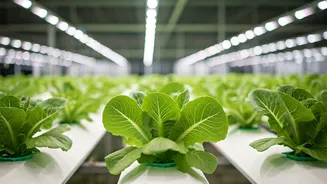
Forget sprawling fields and unpredictable weather. The modern farm is increasingly likely to be a climate-controlled, vertical warehouse in the heart of a city. This is the world of Controlled Environment Agriculture (CEA), and its star player is the hydroponic
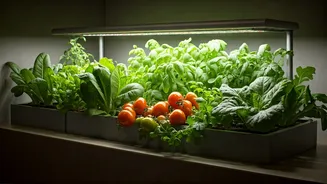
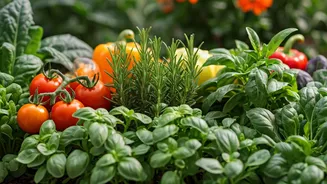
technician. These aren't just gardeners; they are skilled operators who manage complex systems that grow plants in nutrient-rich water instead of soil. By precisely controlling light, temperature, and nutrients, hydroponic farms can produce crops like leafy greens, herbs, and tomatoes year-round, using up to 90% less water than traditional agriculture. The technician is the human brain of this operation, ensuring the delicate balance required for a successful harvest, making them part biologist, part engineer, and part data analyst.
A Perfect Storm of Demand
The surge in hydroponic jobs didn't happen overnight. It’s the result of several powerful trends converging. First, consumers are increasingly demanding local, fresh, and pesticide-free produce, and they want it available 365 days a year. Urban vertical farms meet this need perfectly. Second, global supply chains, rattled by pandemics and climate events, have exposed the fragility of our food system. Growing food closer to where it’s consumed creates resilience. Third, venture capital has poured billions into AgriTech, funding the construction of massive indoor farms near major U.S. cities. These high-tech facilities, operated by companies like Plenty, Bowery Farming, and AeroFarms, need a skilled workforce to run them. This trifecta of consumer desire, supply chain necessity, and technological investment has created a powerful engine for job growth.
What the Job Actually Involves
A day in the life of a hydroponic technician is a blend of science and hands-on work. Mornings might start by checking the automated systems that control lighting, pH levels, and nutrient delivery. Technicians monitor plant health, scouting for any signs of stress or disease. They are responsible for managing the entire crop lifecycle, from seeding and transplanting to harvesting and packaging. A significant part of the role involves data. Technicians collect and analyze information on everything from water quality to growth rates, using software to optimize conditions for better yields. It’s a problem-solving job that requires meticulous attention to detail. One small miscalculation in the nutrient solution can impact thousands of plants, so precision is key.
The Pathway into the Profession
One of the most appealing aspects of this career is its accessibility. While a bachelor's degree in horticulture, plant science, or agricultural engineering is beneficial, it’s not always a requirement. Many companies are seeking candidates with hands-on experience or specialized training. Community colleges and technical schools across the country are launching certificate programs and associate's degrees in hydroponics and CEA. These programs provide the foundational knowledge in plant biology, water chemistry, and systems management that employers are looking for. For those already in agriculture or even tech fields, upskilling with a targeted course can provide a direct on-ramp to this rapidly expanding industry. The career ladder can lead to roles like head grower, facility manager, or research and development specialist.
A Mission-Driven Career
Beyond the competitive salaries and job security, what makes the role of a hydroponic technician so compelling is its connection to a larger mission. This isn't just a job; it's a role at the forefront of solving some of the world's biggest challenges. These professionals are directly contributing to food security, reducing the environmental footprint of agriculture, and making fresh, healthy food more accessible to urban populations. Working in a clean, high-tech environment while being part of a sustainable solution is a powerful combination that resonates deeply, especially with a generation focused on purpose-driven work. It's this blend of technology, growth, and positive impact that has solidified its status as a premier green career.