









Lighten Up Your Skincare
That thick, creamy moisturizer that saved your skin during the dry winter months is now your enemy. When humidity spikes, the air is already saturated with moisture, and heavy creams can feel suffocating, clog pores, and lead to breakouts. The smart move
is to switch to lighter, water-based products. Look for gel moisturizers, hyaluronic acid serums, and lightweight lotions. These formulas provide hydration without the greasy film, allowing your skin to breathe. Think of it as swapping your winter coat for a linen shirt. It’s also a good time to double down on cleansing. The combination of sweat and humidity can create a perfect storm for bacteria, so a gentle but effective cleanser used morning and night is non-negotiable.
Declare War on Frizz
For many, the first sign of a coming monsoon isn’t the clouds but the sudden, uncontrollable explosion of their hair. Humidity causes the hair cuticle to swell, resulting in frizz. Your routine needs to shift from adding moisture to blocking it out. Start using anti-frizz shampoos and conditioners, which often contain silicone or oils to coat the hair shaft and repel environmental moisture. The real game-changer, however, is your styling product. Look for anti-humectant sprays or serums. Unlike products that draw moisture in, these create a protective seal. Applying a dime-sized amount to damp hair can be the difference between a sleek look and a halo of fluff. Protective styles like braids or buns are also your best friend on particularly damp days.
Defend Your Home from Dampness
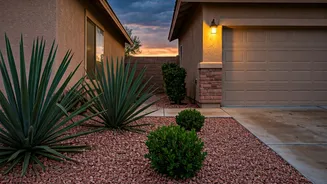
While the rain is a welcome relief for a parched landscape, it can be a nightmare for your home. Excess moisture in the air can lead to musty smells, peeling paint, and worst of all, mold and mildew growth. This is the season to invest in a good dehumidifier, especially for basements, bathrooms, and closets where airflow is limited. Running it for a few hours a day can dramatically lower the indoor humidity level. It’s also a crucial time to do a quick home inspection. Check for any leaks in the roof, windows, and foundation. A small drip you ignored in the dry season can become a major water damage problem during a monsoon downpour. Finally, ensure your gutters are clean and directing water away from your home’s foundation.
Adjust Your Driving Habits
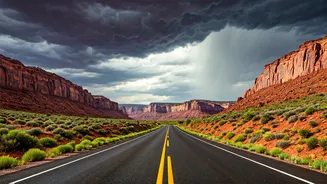
Monsoon storms in the American Southwest aren't gentle showers; they are often intense, sudden deluges that can make roads treacherous. The first rain after a long dry spell is particularly dangerous, as it lifts oil and dust from the asphalt, creating an incredibly slick surface. Slow down significantly and increase your following distance. Hydroplaning is a real risk. Furthermore, be extremely wary of flash floods. Washes and underpasses that are dry one minute can become raging torrents the next. It’s a local mantra for a reason: “Turn Around, Don’t Drown.” Never attempt to drive through a flooded roadway, as it’s impossible to know how deep the water is or if the road beneath has been washed away. Check weather alerts before you head out, and if a major storm hits, it’s often safest to just stay put.
Embrace the Spectacle
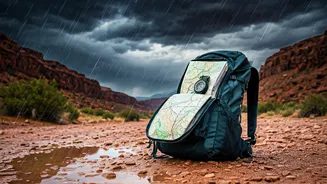
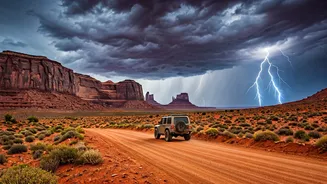
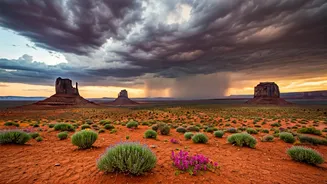
Beyond the practical adjustments, a key part of the monsoon routine is a mental one: learning to appreciate it. After months of unrelenting sun and heat, the season brings a dramatic, almost theatrical beauty. The deep, bruised clouds rolling in, the distant rumble of thunder, the incredible light shows from lightning, and the earthy smell of creosote released by the rain (a scent known as 'petrichor') are unique sensory experiences. Instead of just seeing it as an inconvenience, find a safe spot—like a covered patio or a window—and watch the show. The monsoon transforms the desert landscape, bringing a temporary burst of green and life. It’s a powerful reminder of nature's cycle, and embracing its awe-inspiring side makes the frizzy hair and damp closets feel like a small price to pay.