


Comfort Food in Complicated Times
First, let's state the obvious: in an era of global uncertainty, economic anxiety, and digital overload, we're all craving a little comfort. Food, in its most elemental form, is a source of security and solace. While gourmet dining and experimental cuisine
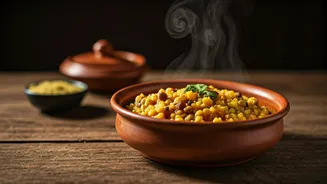
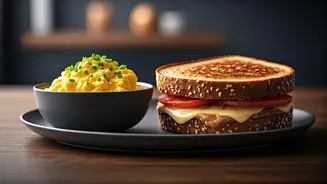
have their place, the pendulum is swinging back toward dishes that feel like a warm hug. Think meatloaf, chicken and dumplings, and hearty casseroles. These are foods that don't challenge you; they nurture you. Psychologically, this return to basics is a form of self-care. It's a rejection of the pressure to be constantly innovative and an embrace of what is known, reliable, and deeply satisfying. This isn't about a lack of sophistication; it's a conscious choice to prioritize emotional well-being, one spoonful at a time.
What’s Old Is New Again on the Menu
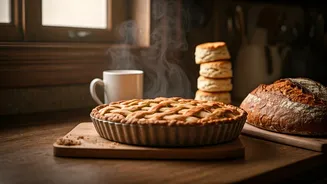
So what, exactly, are we eating? The trend encompasses a wide range of heritage cooking. We’re seeing a resurgence of from-scratch baking, particularly sourdough bread, which became a national pastime during the pandemic and never really left. Simple, rustic cakes, pies, and cobblers are pushing aside intricate pastries. On the savory side, braising, stewing, and slow-cooking are back in vogue. Techniques that develop deep, complex flavors over time are being celebrated. This includes a renewed interest in so-called “Depression-era recipes,” which emphasize frugality and resourcefulness, turning humble ingredients like beans, potatoes, and cheaper cuts of meat into something delicious. Even Jell-O salads, once a punchline, are being re-examined by a new generation, albeit with a modern, less-processed twist.
The TikTok Effect: Grandmacore Goes Viral
You can't talk about a modern trend without talking about social media. The rise of “Grandmacore” on platforms like TikTok and Instagram has been a massive catalyst. This aesthetic celebrates all things traditional, cozy, and reminiscent of a grandparent’s home—from knitting and gardening to, of course, cooking. Influencers are gaining millions of views not for a complicated new recipe, but for perfectly executing their grandmother’s lasagna or demonstrating how to can vegetables. This digital movement has introduced these classic skills and flavors to Gen Z and Millennials, many of whom grew up on convenience foods. By framing these traditional practices as authentic, wholesome, and even chic, social media has made them aspirational again, disconnecting them from any “old-fashioned” stigma.
A Return to Kitchen Economics
Beyond the emotional and cultural drivers, there's a powerful economic component. As grocery bills climb, the wisdom of our grandparents’ kitchens has never been more relevant. These are cuisines born of necessity, designed to stretch a budget without sacrificing flavor. Learning to use a whole chicken, make broth from bones, bake your own bread, or turn leftovers into a new meal are practical skills that offer a sense of control in an inflationary economy. Cooking with simple, whole ingredients is often far cheaper than relying on processed foods or takeout. This trend isn't just about nostalgia for a taste; it's a nostalgia for a more sustainable and self-sufficient way of life that feels particularly empowering right now.