






So, What Exactly Is It?
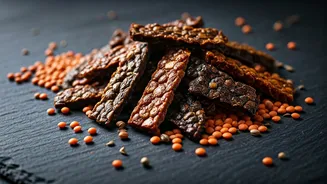
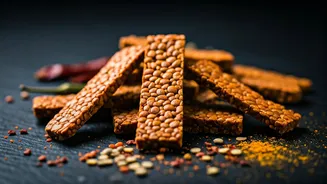
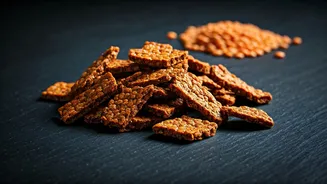
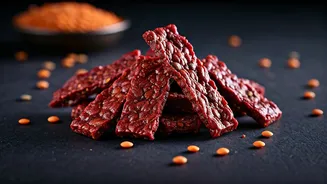
Imagine the satisfying chew of jerky but without the meat. Lentil jerky is a novel concept taking root among food innovators, particularly in India. The process starts with cooked lentils—a staple protein across South Asia for millennia—which are blended
into a thick, protein-rich paste. This paste is mixed with binders, often flax or chia seeds, to give it structure and a nutritional boost. From there, the magic happens. The mixture is seasoned aggressively with classic Indian spices like cumin, coriander, turmeric, and a fiery touch of chili. It’s then flattened into thin sheets and dehydrated slowly at a low temperature, just like traditional jerky. The result is a tough, leathery, and intensely savory strip that mimics the texture of its meat-based cousin while delivering a completely new flavor experience. It’s not trying to be a perfect copy of beef; it’s an entirely new category of snack.
The Perfect Protein Storm
This isn't just a random kitchen experiment; lentil jerky is emerging at the intersection of several massive global trends. First, there’s the relentless demand for plant-based everything. As more consumers in the U.S. and abroad look to reduce their meat consumption for health, environmental, or ethical reasons, the market for vegan alternatives has exploded. We’ve seen it with burgers, milk, and now, snacks.
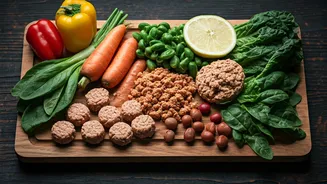
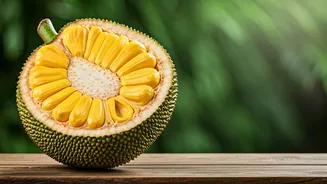
Second, the modern snacker is more discerning than ever. Gone are the days when a bag of greasy chips would suffice. Today’s consumer wants high-protein, low-sugar, portable options that feel both indulgent and virtuous. Jerky has always fit this bill, but its meat-centric nature excluded a growing demographic. Plant-based jerkies made from soy, mushrooms, or jackfruit already exist, but lentils offer a unique nutritional profile and a more sustainable, accessible base ingredient.
Finally, there's a culinary renaissance happening within India itself, where entrepreneurs are looking at ancient ingredients through a modern lens. They’re creating products that honor traditional flavors while fitting into a global, health-conscious lifestyle.
An Ancient Ingredient, Reimagined
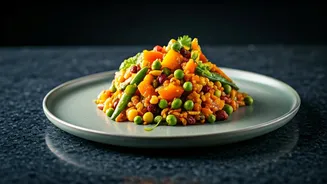
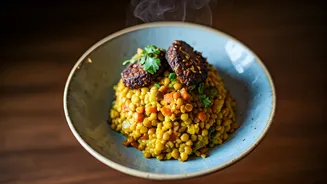
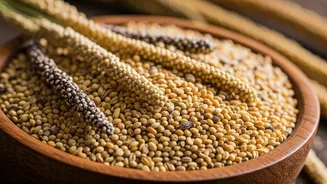
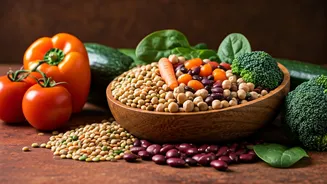
To understand why lentil jerky makes so much sense in an Indian context, you have to appreciate the role of lentils (or dal) in the subcontinent’s cuisine. For centuries, they have been the primary source of protein for a large vegetarian population, served in countless forms from hearty stews to crispy dosas. Lentils are cheap, shelf-stable, and incredibly versatile. They are, in many ways, the original plant-based powerhouse.
Creating jerky from them isn’t so much an invention as a reinvention. It takes an ingredient that is fundamental to daily meals and repackages it for a new purpose: convenient, on-the-go snacking. It’s a brilliant fusion of tradition and modernity, leveraging a familiar, trusted food source to create something that feels novel and exciting. This connection to a deep culinary history gives lentil jerky an authenticity that many lab-grown or highly processed vegan products lack.
Will Americans Actually Bite?
While the concept is budding in India, its real test will be on the global stage, especially in the saturated U.S. snack market. American grocery aisles are already overflowing with jerky options, including a growing number of plant-based varieties. To succeed, lentil jerky can’t just be different; it has to be better.
Its secret weapon might be its flavor profile. While many Western plant-based jerkies stick to familiar American flavors like teriyaki, hickory smoke, or black pepper, lentil jerky opens the door to the complex, aromatic world of Indian spices. Imagine a chewy strip humming with the warmth of garam masala or the tangy kick of amchur (dried mango powder). It offers a taste adventure that stands out from the crowd.
Furthermore, the “lentil” name itself carries a health halo. Consumers already associate lentils with fiber, protein, and wholesome eating. For a shopper scanning labels for a clean, nutritious snack, “lentil jerky” sounds inherently more appealing than something made from processed soy protein isolate. If positioned correctly, it could capture the imagination of foodies, fitness enthusiasts, and adventurous eaters alike.