


Tires: Your First Defense Against Slick Roads
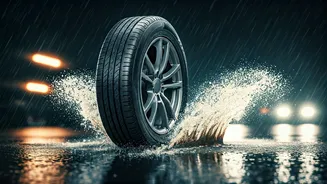
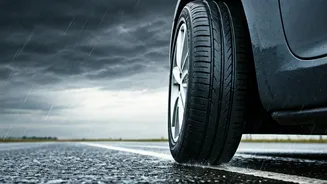
During a monsoon downpour, your tires are the only thing connecting your car to the road. Worn-out tires are a recipe for hydroplaning, where a layer of water builds up between the rubber and the asphalt, causing a total loss of steering and braking control.
Before the season hits, check your tire tread. The classic trick works: insert a penny into the tread with Lincoln's head upside down. If you can see the top of his head, your tires are too worn and need replacing. Also, ensure they are properly inflated to the pressure listed on the sticker inside your driver's side door jamb. Properly inflated tires cut through water more effectively and provide better grip.
Wiper Blades: For Unbeatable Visibility
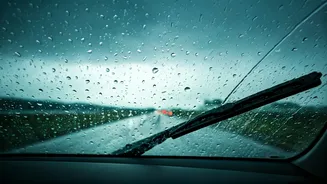
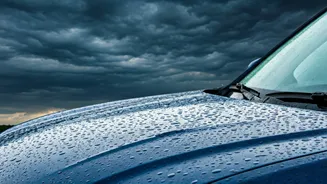
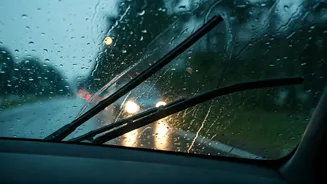
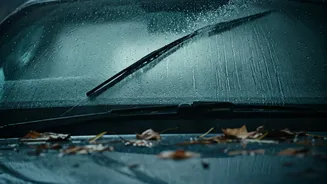
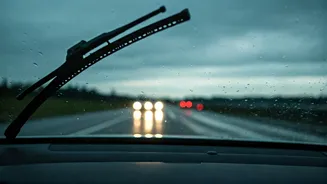
Monsoon rain isn't a gentle drizzle; it's a blinding wall of water. Your wiper blades are your most critical tool for maintaining visibility. Summer heat and sun can bake the rubber on your blades, causing them to crack, stiffen, and become ineffective. When they can no longer make a clean sweep, they leave streaks and smears that can be just as dangerous as the rain itself. Replace your wiper blades at the start of the season. It’s an inexpensive and easy fix that pays huge dividends when you’re caught in a deluge. While you're at it, top off your windshield washer fluid.
Lights: Be Seen, Be Safe
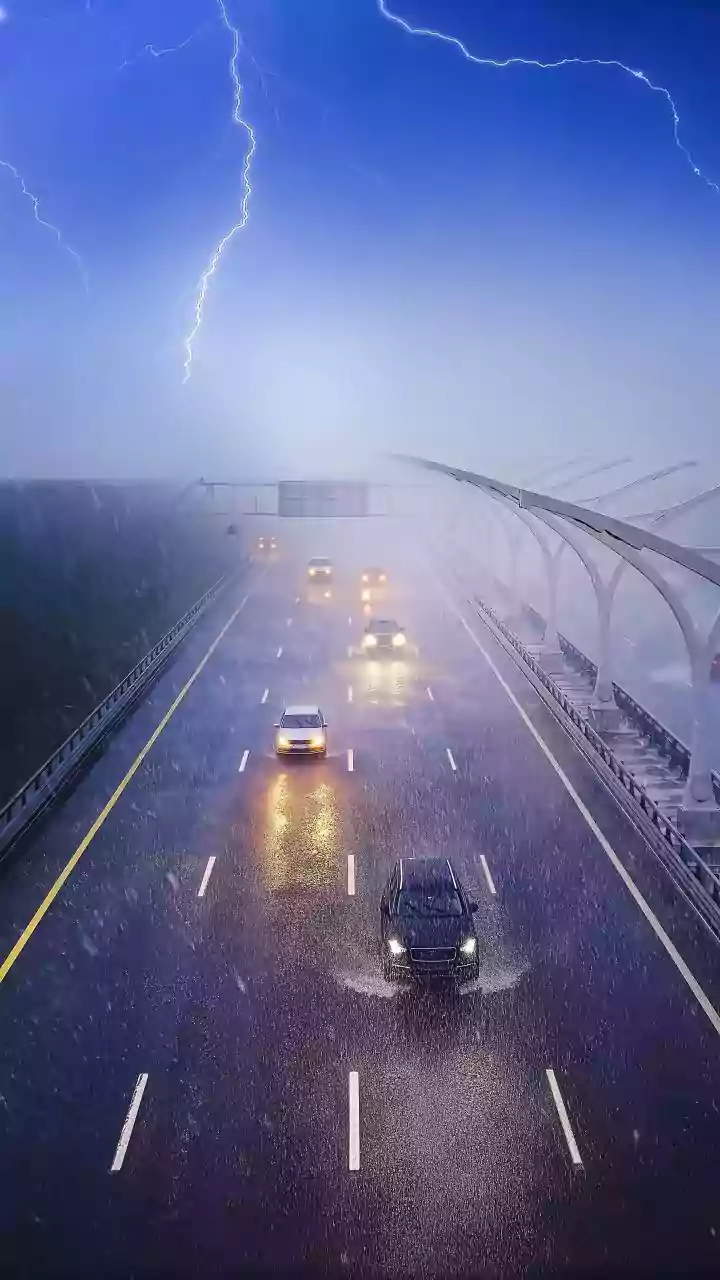
When the sky goes dark during a daytime storm or a massive dust storm (haboob) rolls in, visibility drops to near zero. Your headlights and taillights aren't just for you to see—they're for others to see you. Walk around your car and check that all your lights are working: headlights (both low and high beams), taillights, brake lights, and turn signals. A burned-out bulb is a simple fix that could prevent a rear-end collision in low-visibility conditions. Many states have laws requiring headlights to be on when wipers are in use, so make it a habit.
Brakes: Your Ultimate Stopping Power
Wet roads significantly increase your vehicle's stopping distance. This is no time to discover your brakes are failing. If you've been hearing any squealing, grinding, or feeling a pulsation in the brake pedal, get your brake system inspected by a professional immediately. A mechanic can check the thickness of your brake pads and the condition of your rotors to ensure you have the stopping power you need when a car ahead of you suddenly stops or a flooded wash appears out of nowhere. Don't gamble with your ability to stop.
Battery and Belts: Beat the Heat and Humidity
The extreme heat that precedes a monsoon storm puts immense strain on your car’s entire operating system. High temperatures can degrade your battery, and the combination of heat and monsoon humidity can weaken engine belts and hoses. A snapped belt or a dead battery can leave you stranded in a dangerous situation, potentially in an area prone to flash flooding. Have your battery's charge tested and inspect visible belts and hoses for any signs of cracking, fraying, or softening. A little preventative maintenance can save you from a major roadside emergency.
The Emergency Kit: Your Roadside Lifeline
Even a perfectly maintained car can face an unexpected issue. Being prepared for the worst is part of the plan. Your monsoon emergency kit should include a few essentials beyond the standard jumper cables. Pack a flashlight with fresh batteries, a first-aid kit, drinking water, non-perishable snacks, and a portable phone charger or power bank. Getting stuck during a monsoon means you could be waiting for help for a while, and having these supplies can make a stressful situation more manageable and safe.