



An Arrival Into Stillness
The journey to Harsil is itself an act of decompression. As you leave the crowded plains of India and wind your way up into the state of Uttarakhand, the air thins and sharpens. The chaotic symphony of city horns gives way to the whisper of wind through
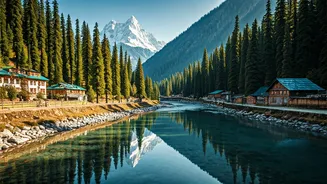
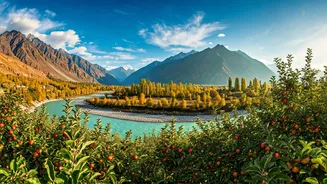
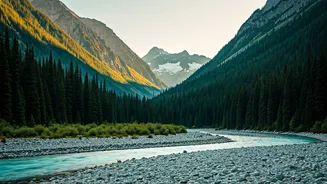
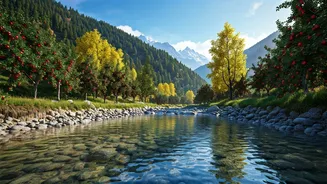
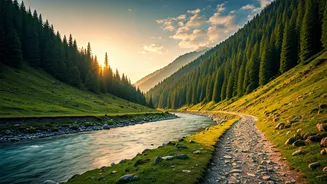
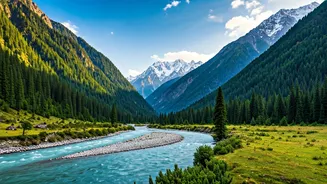
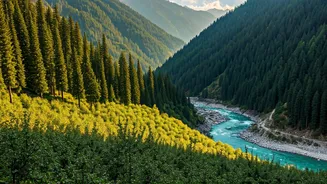
deodar pines. Harsil, a small village nestled on the banks of the Bhagirathi River at an elevation of over 8,500 feet, doesn’t announce itself with grand monuments. Instead, it greets you with a profound sense of quiet. The first thing you notice is the sound—or the lack of it. There is only the constant, soothing rush of the river, a turquoise ribbon of Himalayan meltwater that serves as the valley’s lifeblood and its soundtrack. This isn’t a place you arrive at; it’s a place you sink into.
The River Runs Through It
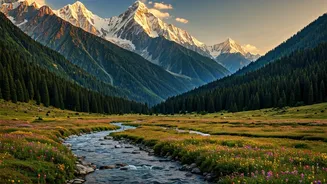
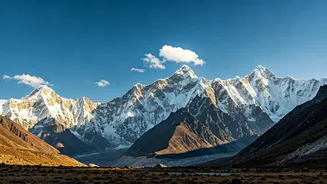
Life in Harsil is governed by the Bhagirathi. For pilgrims, it’s a sacred stretch of the Ganges, a place for spiritual cleansing on the way to the holy site of Gangotri, just 15 miles up the road. For locals, it’s a source of water, a playground for children, and a constant companion. For the traveler, it’s an anchor. The typical vacation anxiety—the need to see everything, do everything—dissolves here. Your schedule becomes beautifully simple: a morning walk along the riverbank, an afternoon spent on a sun-warmed boulder with a book, an evening watching the alpenglow paint the surrounding peaks. The river’s steady, unhurried pace becomes your own. It teaches you that presence is more valuable than productivity, that the view from one perfect spot can be more fulfilling than a dozen fleeting snapshots.
The Joy of Doing Nothing
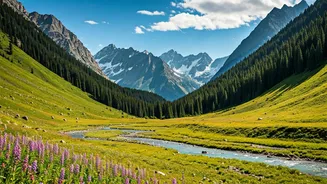
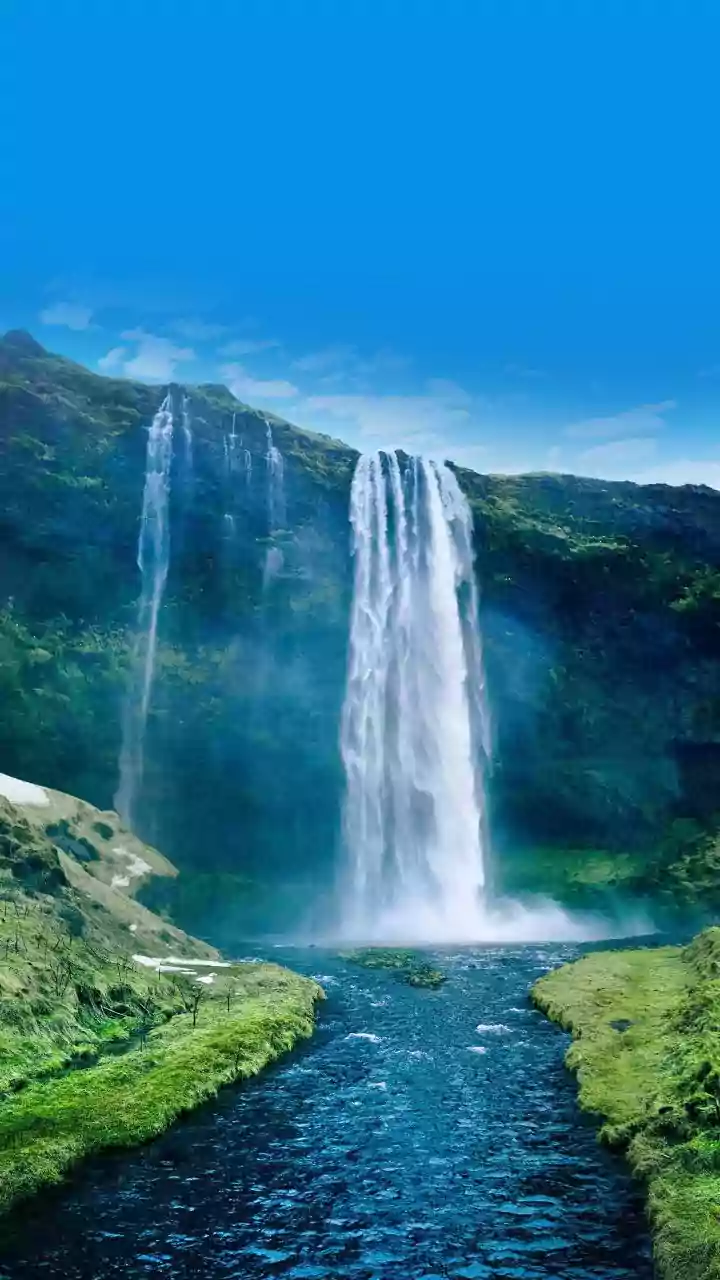
American travel culture often lionizes the checklist: hike this trail, see that waterfall, eat at this cafe. Harsil gently resists this impulse. There are, of course, things to “do.” You can embark on stunning treks to nearby lakes like Sat Tal (seven lakes), explore dense forests, or visit the neighboring Mukhba village, where the idol of the goddess Ganga resides during the harsh winter months. But the real magic of Harsil lies in the permission it gives you to do nothing at all. The main activity is existing within the landscape. It’s a destination built for contemplation, not conquest. In a world obsessed with optimization, Harsil is a radical act of beautiful inefficiency. It’s a place to reclaim your time, to let your thoughts wander without a goal, and to remember what it feels like to be bored in the best possible way.
Apple Orchards and Simple Comforts
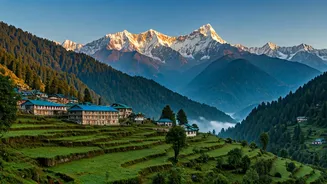
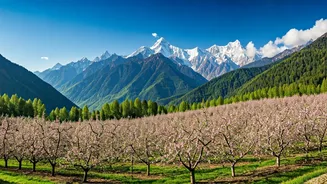
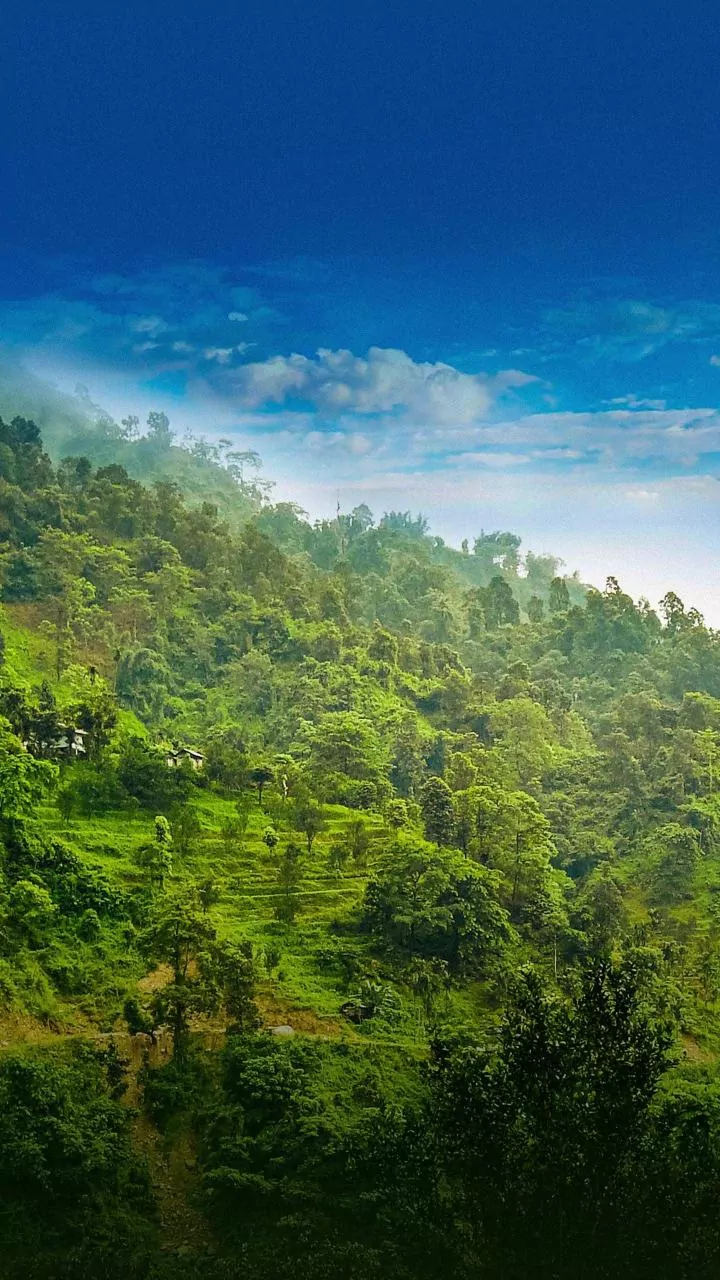
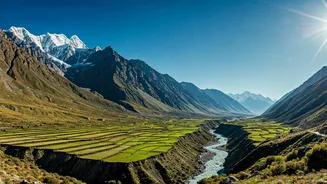
This isn't a wilderness devoid of human touch. Harsil is famously known as the “apple country” of Uttarakhand. Its hillsides are terraced with orchards that burst into blossom in the spring and yield crisp, juicy apples in the fall. A walk through the village reveals charming wooden homes with slate roofs, often with a distinct Tibetan architectural influence, a legacy of the region's trade routes. The local hospitality is warm yet unobtrusive. Guesthouses are simple, clean, and comfortable, focused on providing a cozy refuge after a day in the mountain air. Food is hearty and local—hot bowls of dal, fresh vegetables, and fluffy rotis. It’s a comfort that comes not from luxury, but from authenticity. You aren’t a tourist being catered to; you’re a guest being welcomed into a way of life.