

The Backlash Against Bland
For years, the path to healthier snacking seemed to follow a singular, Western-led playbook. As incomes rose across India, a wave of packaged, processed snacks—potato chips, extruded puffs, and sugary biscuits—swept the market. The reaction from the health-conscious
consumer was predictable: a pivot to “healthy” alternatives. But early versions often felt like pale imitations of American or European health food—think joyless oat cookies and unseasoned baked crisps. This created a massive market opening for something better. Consumers were tired of choosing between the comforting, high-flavor snacks of their childhood and the bland, prescriptive offerings of the wellness aisle. They wanted both: the health benefits without the flavor sacrifice.
Raiding Grandma’s Pantry for Superfoods
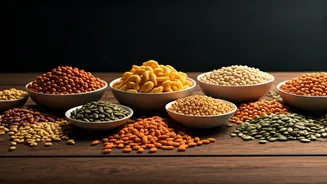
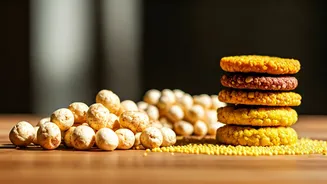
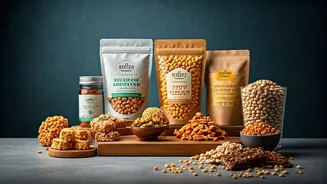
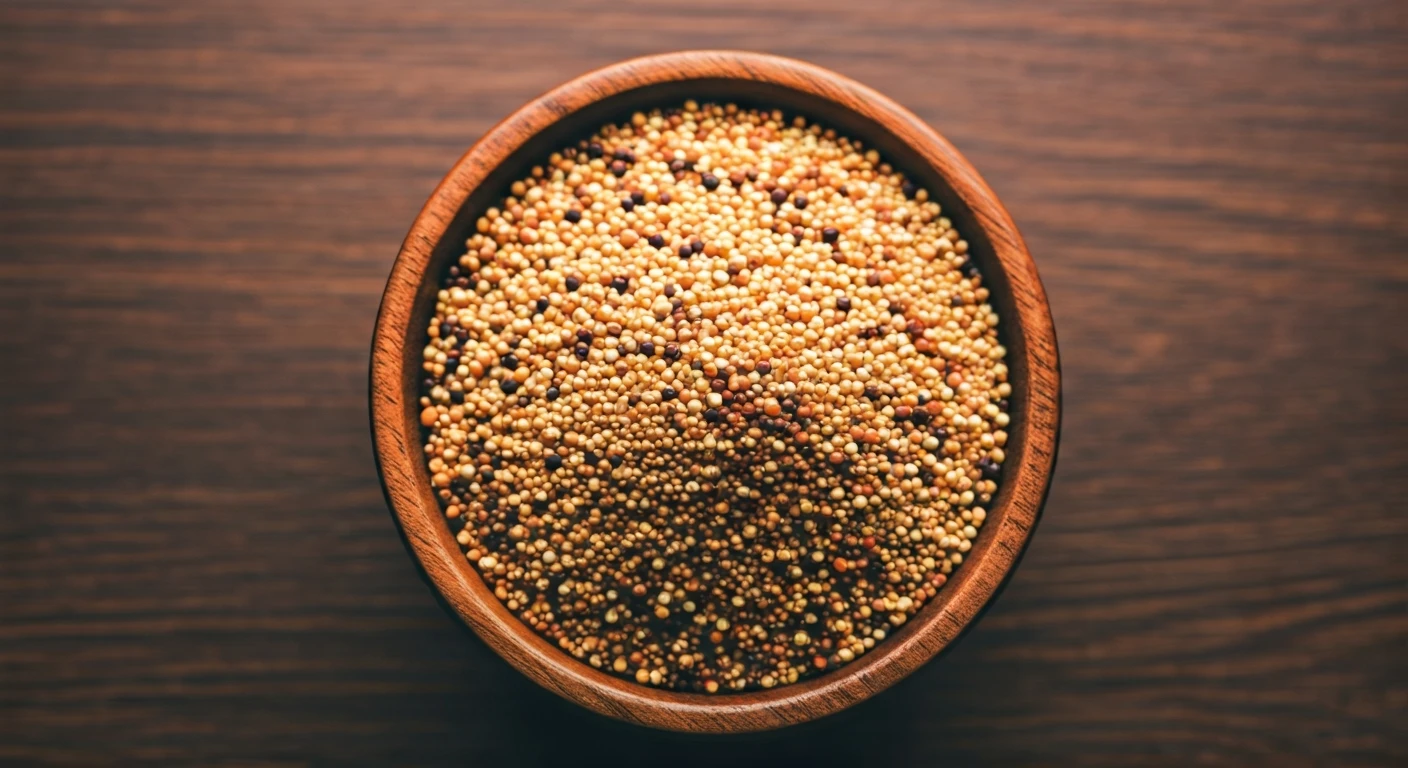
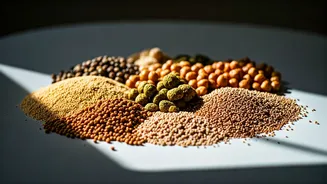
The answer wasn't found in a lab, but in kitchens and pantries across the subcontinent. Entrepreneurs began looking to traditional Indian ingredients that were once staples but had been overshadowed by refined wheat and rice. Suddenly, millets like *ragi* (finger millet) and *jowar* (sorghum), long considered humble rural foods, were being rebranded as gluten-free, high-protein superfoods. Puffed lotus seeds, or *makhana*, once a simple fasting food, were repositioned as a low-calorie, crunchy alternative to popcorn. Roasted chickpeas (*chana*), a timeless street food, were packaged in slick, modern bags. These ingredients weren't just nutritionally dense; they were deeply familiar, carrying a built-in cultural trust that no imported quinoa flake could ever achieve.
The Winning Formula: Nostalgic Flavors
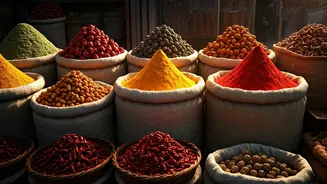
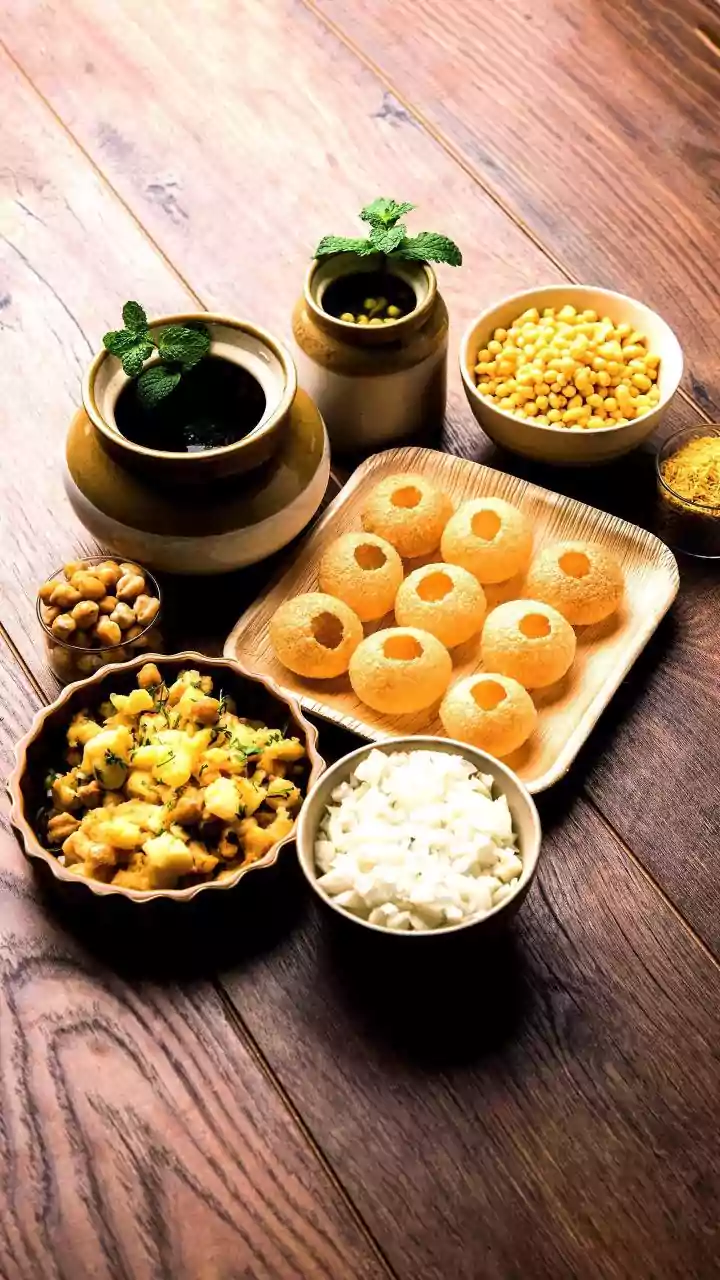
Using healthy ingredients was only half the battle. The true genius of this new wave of snacks lies in the flavoring. Instead of defaulting to sea salt or black pepper, these brands are doubling down on the complex, explosive tastes that define Indian cuisine. A bag of millet puffs might come in a tangy *pani puri* flavor, evoking the beloved street-food snack. A baked lentil chip might be dusted with the savory-spicy notes of a South Indian *podi* spice blend. You'll find snacks flavored with tamarind, jaggery, rock salt, mango powder, and the addictive, multi-layered spice mix known as *chaat masala*. This isn’t just seasoning; it’s a direct line to a cherished food memory. It allows a 30-something urban professional to feel like they’re making a virtuous health choice while simultaneously satisfying a craving for the comforting tastes of their youth.
The Rise of the New-Age Dabba
Driving this trend is a new generation of Indian entrepreneurs. Many are millennials or Gen Z, armed with MBAs, global exposure, and a personal frustration with the existing snack landscape. They are fluent in the language of Instagram marketing, clean-label ingredients, and venture capital, but their product inspiration comes from the *dabba* (tiffin box) their mother packed for them. Companies like The Whole Truth, Slurrp Farm, and Yoga Bar have become household names by speaking authentically to a generation that is both digitally native and fiercely proud of its heritage. They’ve successfully framed their products not as a compromise, but as an upgrade—a modern, convenient, and healthy expression of authentic Indian taste.
A Trend with Global Appeal
While this movement is rooted in India, its implications are global. For American consumers, it signals a potential new frontier in the international foods aisle, moving beyond naan and tikka masala paste. As these brands grow, expect to see *makhana* and ragi-based snacks appearing on shelves in the U.S., offering a flavorful alternative to the usual suspects. More broadly, India’s snack revolution provides a powerful blueprint for how other cultures can look inward to their own culinary traditions to innovate in the wellness space. It’s a compelling reminder that “healthy” doesn’t have to mean bland, and that the future of food may be less about global uniformity and more about celebrating thousands of distinct, delicious local flavors.