





The Rise of the 'Fur Baby'
For previous generations, a pet was often a happy, low-maintenance fixture of family life. For many in Gen Z (born roughly between 1997 and 2012), the relationship is far more central. They are more likely to see themselves as 'pet parents' rather than
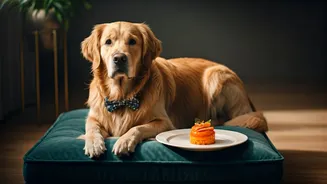
'pet owners,' a linguistic shift that reveals a deeper emotional and psychological connection. This generation, often delaying or forgoing traditional milestones like marriage and homeownership, has channeled its nurturing instincts and disposable income toward animal companions. In a world of digital detachment and economic uncertainty, a pet provides tangible, unconditional affection and a sense of purpose. This mindset is the foundation for every decision that follows, reframing pet care from a series of chores into a dedicated practice of parenthood.
Proactive Wellness, Not Just Vet Visits
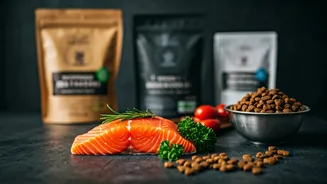
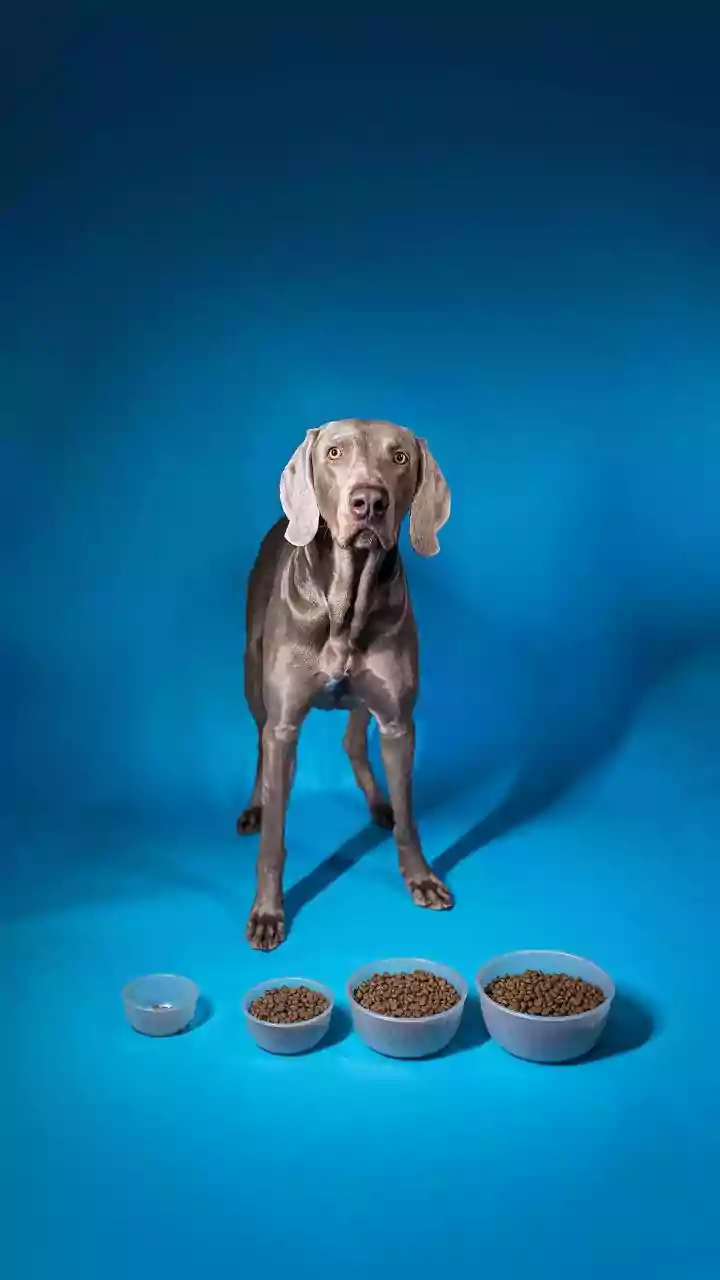
The 'health' component of this new approach is less about reacting to sickness and more about proactive, preventative wellness. Gen Z pet parents are meticulously researching nutrition, moving far beyond generic kibble. They are the driving force behind the explosion in fresh, human-grade dog food delivery services, limited-ingredient diets, and nutritional supplements for everything from joint health to a shinier coat. Pet insurance, once a niche product, is now seen by many as a non-negotiable part of responsible pet ownership, a financial tool to ensure they can always say 'yes' to necessary medical care. This focus extends to mental and emotional health, with a booming market for puzzle feeders to provide enrichment, calming chews for anxiety, and even dog-walking services that promise structured 'adventure' time.
Integrating Pets Into Every Aspect of Life
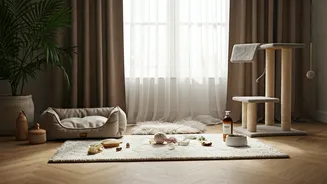
If a pet is a family member, you don't leave them behind. This is the core of the 'lifestyle' practice. For Gen Z, this means actively shaping their lives around their animals. They are more likely to choose apartments with pet-friendly amenities like 'bark parks,' seek out employers with pet-friendly office policies, and plan their social lives around patios and breweries where their dog is welcome. Travel is no exception, with a surge in demand for hotels that don't just tolerate pets but actively welcome them with special beds and treats. Social media feeds are filled with pets' own Instagram accounts, documenting hikes, 'barkday' parties, and custom-outfitted adventures. The pet is no longer an accessory to life; for many young adults, the pet *is* the life.
A Market Reshaped by Devotion
This deep level of commitment has enormous economic consequences. The pet industry is thriving, largely by catering to the demands of this discerning demographic. Brands that emphasize sustainability, transparent sourcing, and ethical practices are winning their loyalty. The 'premiumization' of pet products is in full swing, with consumers willing to pay more for products that align with their own values and wellness goals. From organic cotton dog beds to subscription boxes curated by veterinary nutritionists, the market has responded to the clear signal that for Gen Z, spending on their pet is an investment in the happiness and longevity of a cherished family member. They are not just buying products; they are buying peace of mind and a better quality of life for their 'fur babies.'