






The TikTok-ification of Fitness
If you want to understand the biggest shift in gym culture, look no further than your phone. Social media, particularly TikTok, has thrown open the doors of the weight room for all to see. Where fitness magazines once featured impossibly chiseled models,
TikTok offers a firehose of relatable content. You can find thousands of videos of regular people demonstrating how to use a specific machine, offering form checks for a deadlift, or sharing a simple three-exercise leg day workout. This flood of information has a powerful democratizing effect. It demystifies the equipment and unspoken rules that once made the gym feel like an exclusive, members-only club. Instead of wandering around aimlessly, a new gym-goer can walk in with a full workout saved on their phone, complete with visual guides for every step. This has dramatically lowered the barrier to entry, turning what was once a source of anxiety into a manageable, even empowering, experience.
Beyond the Big Box Gym
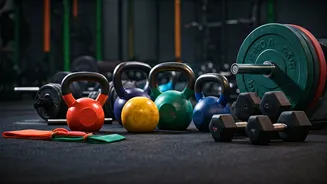
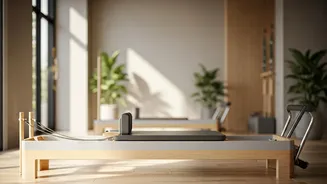
The one-size-fits-all model of the mega-gym is also fading. The industry has fragmented to meet people where they are, both in terms of their fitness goals and their comfort levels. Planet Fitness built an empire on its “Judgement Free Zone” concept, explicitly banning the “lunk” behavior—like dropping weights and aggressive grunting—that alienates beginners. On the other end of the spectrum, boutique studios focusing on a single activity like cycling, yoga, Pilates, or boxing have created tight-knit communities. These smaller, more curated environments often feel less anonymous and more supportive than a sprawling gym floor. Even climbing gyms and group functional fitness classes offer a social, goal-oriented alternative to solitary workouts. This diversification means you’re no longer forced to choose between the intimidating free-weight section and the treadmill. Instead, you can find a tribe and a space that aligns with your personality and what you find fun.
From Aesthetics to 'How It Feels'
Perhaps the most profound change is the philosophical shift in what “fitness” even means. For decades, gym marketing was dominated by aesthetics—six-pack abs, weight loss transformations, and achieving a certain look. While that element certainly hasn't vanished, a powerful counter-narrative has emerged, especially in the post-pandemic era. The conversation is increasingly centered on wellness, mental health, and longevity. People are joining gyms not just to change how their bodies look, but to change how they feel. They’re exercising to manage stress, improve their sleep, have more energy for their kids, or simply enjoy the mental clarity that comes from movement. This has led to a rise in what’s sometimes called “cozy cardio” and a greater appreciation for gentle movement. When the goal is overall well-being rather than a punishing aesthetic quest, the pressure lifts. The gym becomes less of a battlefield and more of a sanctuary for self-care.
It's Not Perfect, But It's Progress
Of course, gymtimidation hasn’t been completely eradicated. There are still debates about the ethics of filming workouts in public spaces, and toxic influencer culture promoting unrealistic standards or dangerous advice persists. Some people will always find a way to make a shared space feel like their personal stage. However, the difference is that these behaviors are no longer the unchallenged norm. The culture is shifting to favor inclusivity, respect for personal space, and a shared understanding that the gym is for everyone. The rise of designated filming areas in some gyms and the loud social media backlash against obnoxious “pranks” are signs that the community is actively defining a new, more considerate etiquette. The intimidation factor is being chipped away, one TikTok tutorial and one welcoming gym at a time.