



The Truly Unforgettable Tomato
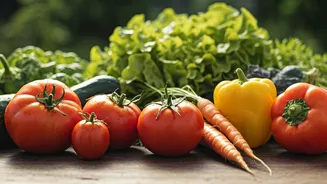
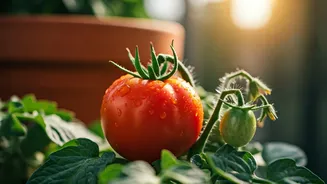
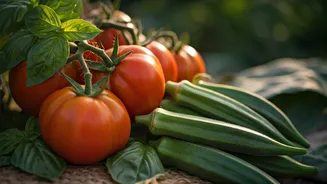
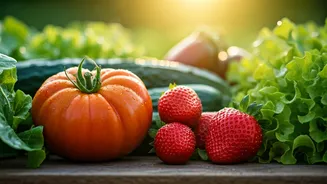
If there's one vegetable that justifies starting a garden, it's the tomato. The difference between a homegrown, sun-ripened tomato and its pale supermarket cousin is staggering. Store-bought tomatoes are typically picked rock-hard and green, then artificially
ripened with ethylene gas. This process gives them color but none of the complex sugars and acids that develop on the vine. A garden tomato, picked at its peak of ripeness, is a world apart—juicy, intensely fragrant, and bursting with a perfect balance of sweet and tangy notes. For an unbeatable experience, try growing an heirloom variety like 'Brandywine' for its rich, complex flavor or 'Cherokee Purple' for its smoky-sweet depth. Even a single cherry tomato plant, like the prolific 'Sun Gold', will reward you with hundreds of candy-sweet fruits that rarely make it from the garden to the kitchen.
Sweet Corn That's Actually Sweet
There's an old gardener's saying: don't pick your corn until the pot of water is already boiling. While perhaps an exaggeration, it highlights a crucial truth. The moment an ear of corn is picked, its natural sugars begin converting to starch. This process happens quickly, meaning that by the time corn travels from a farm to your grocery store, it has lost a significant amount of its peak sweetness and crisp texture. Homegrown corn, on the other hand, allows you to experience it as nature intended. The kernels are plump, bursting with sweet, milky juice that is a true taste of summer. Varieties like 'Silver Queen' (a classic white corn) or bicolor 'Peaches and Cream' are famous for their tenderness and exceptional flavor, making the effort of growing them well worth it.
Crisp and Tender Leafy Greens
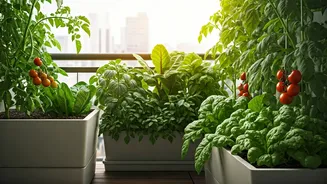
Bagged salad mixes are convenient, but they can’t compete with the flavor and texture of freshly harvested lettuce and greens. Commercial greens are bred for shelf life and durability during shipping, often at the expense of taste and tenderness. Homegrown lettuces, especially loose-leaf varieties, are incredibly tender and have a delicate, fresh flavor that can range from buttery to slightly spicy. By planting 'cut-and-come-again' mixes of lettuce, arugula, and spinach, you can harvest outer leaves as needed for weeks, ensuring a constant supply of the freshest possible salad base. You can snip just what you need moments before making a salad, guaranteeing a level of crispness and vibrancy that bagged greens simply cannot match. Plus, they are perfect for container gardening on a patio or balcony.
Snap Peas and Green Beans
Store-bought snap peas and green beans often suffer from a limp, fibrous texture. The magical 'snap' is frequently a distant memory by the time they reach your plate. When you grow your own, you rediscover what makes them so special. A snap pea or green bean picked straight from the vine is unbelievably crisp, succulent, and packed with a green, sugary flavor. They are so good raw that they often become a go-to garden snack. For the ultimate experience, try 'Sugar Snap' peas, which have plump, edible pods, or French 'Haricot Vert' beans, which are prized for their slender shape and tender-crisp texture. Blanch them for a minute or toss them into a stir-fry to see just how much flavor is lost in transit.
Herbs With Aromatic Punch
While available year-round in plastic clamshells, fresh herbs from the grocery store are a pale imitation of their garden-grown counterparts. The intense aroma and flavor of herbs like basil, mint, and cilantro come from volatile oils, which begin to dissipate the moment they're cut. Having a pot of basil on your porch means you can pluck a few leaves to tear over pasta or muddle into a caprese salad, releasing an explosion of fragrance and peppery-sweet flavor. Fresh mint from the garden has a powerful, clean coolness that elevates everything from iced tea to a summer cocktail. These are among the easiest plants to grow in containers and offer the biggest flavor reward for the smallest amount of space and effort.