




The Rise of the Anti-Vacation
For decades, the American vacation was defined by action: crowded theme parks, packed beach towels, and a frantic race to see every sight. The goal was to return home with a camera roll full of memories and a tan. But a quieter, more deliberate form of escape
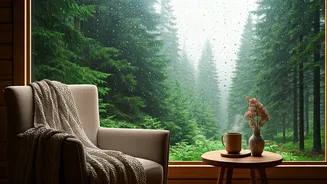
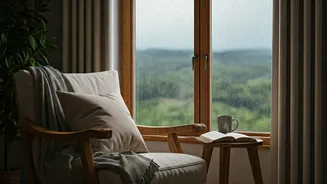
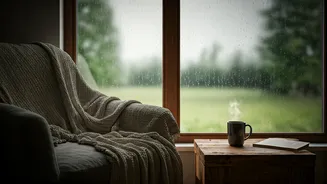
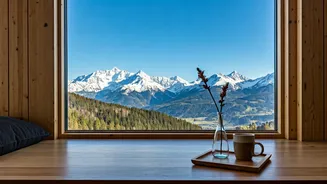
is gaining traction. It’s the anti-vacation, a trip defined not by what you do, but by what you give yourself permission *not* to do. In this new paradigm, a rainy forecast isn't a disaster; it's an excuse to cancel plans. The pressure to perform—to have the “best trip ever”—dissipates, replaced by the simple, radical pleasure of rest. Travelers are actively seeking out experiences that encourage a slower pace, and the cosy homestay, with its lack of structured activities and emphasis on personal comfort, is the perfect venue for this cultural shift.
When the House Is the Destination
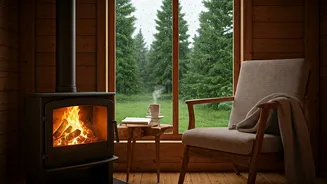
The success of platforms like Airbnb and Vrbo has transformed our concept of lodging. It’s no longer just a place to sleep between excursions; the rental property itself is now often the main attraction. Discerning travelers are booking trips based on a home’s specific amenities, effectively curating their own private resort. Searches for properties with fireplaces, hot tubs, chef’s kitchens, reading nooks, and even home movie theaters spike during the fall and winter months. The house becomes a self-contained world of comfort and entertainment. A rainy weekend isn't a ruined trip if your plan was to spend it soaking in a hot tub, mastering a new recipe in a gourmet kitchen, or working through a stack of books by a crackling fire. The home isn't a basecamp; it's the peak.
Embracing the ‘Bad’ Weather
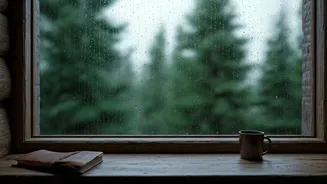
This trend is also about a powerful reframing of what constitutes “good” vacation weather. We're finally embracing the atmospheric charm that a little drizzle or a full-blown storm can provide. It's the American adoption of the Danish concept of *hygge*—a feeling of cozy contentment and well-being derived from simple things. Nothing enhances hygge like a dreary day outside your window. The rain provides a soothing soundtrack and a visual contrast that makes the warmth and light inside feel even more precious. It’s the ultimate permission slip to stay in, wrap yourself in a blanket, and disconnect. For a growing number of people, the goal isn't to chase the sun but to find the perfect shelter from the storm, transforming inclement weather from a bug into a feature.
The Smart Economics of the Off-Season
Beyond the psychological appeal, there's a strong practical argument for this style of travel. The rainy season is almost always the off-season. This means lower prices, greater availability, and fewer crowds. A stunning cabin in the mountains or a chic coastal cottage that is prohibitively expensive and booked solid in July might be surprisingly affordable and available in a drizzly April or November. This financial incentive makes the cosy getaway accessible to a wider range of travelers. It allows people to enjoy a premium property and a feeling of quiet seclusion without the peak-season price tag. By leaning into the rainy season, travelers are making a choice that is not only good for their state of mind but also for their wallets, proving that the best kind of luxury is often the quiet, uncomplicated kind.