

Varanasi: The Intense Spiritual Epicenter
Varanasi isn't a city you simply visit; it's an experience that washes over you. As one of the world's oldest continuously inhabited cities, it stands on the banks of the sacred Ganges River as the undeniable spiritual capital of India. For American travelers
accustomed to order and personal space, Varanasi can be an initial shock to the system. Its labyrinthine alleys, or 'galis,' teem with life: pilgrims, vendors, cows, and the ever-present scent of incense and street food. But embracing this beautiful chaos is the first step toward understanding its profound significance. This isn't a sanitized historical site; it's a living, breathing testament to millennia of faith, where the cycles of life and death are not hidden away but are part of the public fabric.
The Ghats: Life and Death on the River
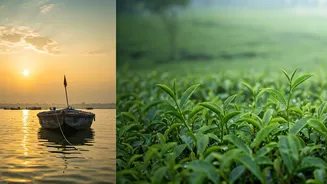
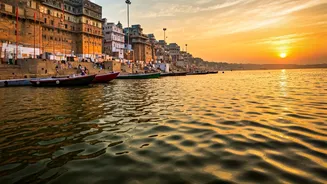
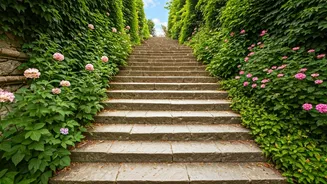
The soul of Varanasi resides along its famous ghats—the long series of steps leading down to the Ganges. These are the city’s public square, laundry, and sacred space all rolled into one. At dawn, you'll see locals performing morning prayers (puja), practicing yoga, and taking ritual baths in the holy water. By day, they are a hive of activity. But Varanasi is also where devout Hindus hope to die, believing it grants them moksha, or liberation from the cycle of rebirth. Consequently, some ghats, like Manikarnika, are dedicated to public cremations. Witnessing this is a powerful, sobering, and uniquely Varanasi experience that confronts Western sensibilities about mortality and offers a raw glimpse into Hindu cosmology.
Ganga Aarti: A Symphony of Fire and Faith
Every evening as dusk settles, the city puts on one of the most mesmerizing spectacles in all of India: the Ganga Aarti ceremony. At Dashashwamedh Ghat, thousands of locals and travelers gather on the steps and in boats on the river. Led by saffron-robed pandits, the ceremony is a highly choreographed ritual of worship involving giant, flaming lamps, rhythmic chanting, billowing incense, and the clanging of bells. It’s an auditory and visual feast—a powerful, collective prayer that feels both ancient and electric. Even for a non-believer, the energy is palpable and provides a moment of profound connection to the spiritual fervor that animates the city.
Jorhat: India's Serene Tea Capital
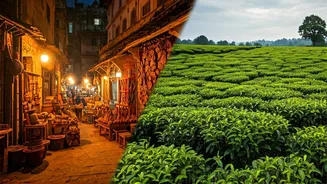
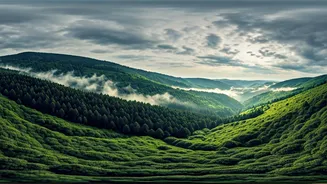
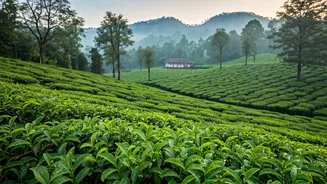
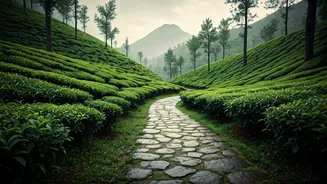
If Varanasi is a full-frontal assault on the senses, Jorhat is a gentle immersion. Located in the northeastern state of Assam, Jorhat is a world away in temperament. Known as the “Tea Capital of India,” it’s the gateway to a landscape of rolling, emerald-green tea plantations. The pace here is slower, the air is cleaner, and the culture is built around the serene, methodical life of tea cultivation. It’s the perfect antidote to the intensity of North India, offering a different kind of cultural depth rooted in nature, colonial history, and the unique identity of the Assamese people.
The World of Tea: Beyond the Morning Brew
In Jorhat, tea isn't just a drink; it's a way of life. The region is home to the Tocklai Tea Research Institute, the world's oldest and largest facility of its kind, cementing the area's importance in the global tea trade. A culture trip here means staying in a restored colonial tea bungalow, waking up to mist-covered gardens, and learning the journey from leaf to cup. You can tour estates, participate in tastings, and interact with the communities whose lives have revolved around these plantations for generations. It’s a chance to understand the history and horticulture behind a beverage many of us take for granted.
Majuli Island: A Riverine Cultural Oasis
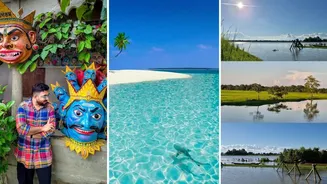
A short ferry ride from Jorhat lies one of India’s most incredible and fragile treasures: Majuli, the world’s largest river island. This place is a cultural sanctuary, home to the neo-Vaishnavite culture, a branch of Hinduism with a focus on devotional worship. The island is dotted with 'satras,' or monastic centers, where traditions of music, dance, and mask-making have been preserved for centuries. Visiting a satra, watching monks perform, and witnessing the unique mask-making craft is an experience that feels like stepping back in time. It’s a quiet, profound encounter with a living culture that is both peaceful and deeply resilient.