



1. The Cargo Pocket Gets a Promotion
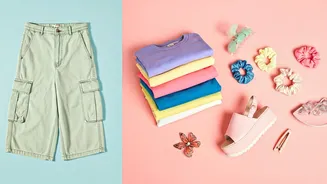
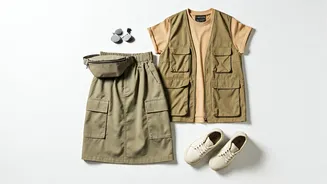
Forget the baggy, unflattering cargo pants of the early 2000s. Today’s cargo pocket is refined, structured, and showing up everywhere. You’ll find crisp, single pockets on the side of a tailored midi skirt, streamlined pairs on high-waisted linen trousers,
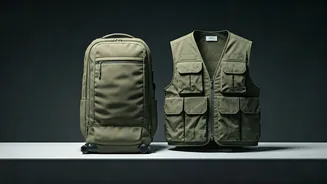
and even integrated into structured vests and jackets. The appeal is twofold: first, the undeniable convenience of having a place to stash your phone and keys without a bag. Second, the pocket adds a point of architectural interest to an otherwise simple silhouette. It breaks up a plane of fabric, creating a look that feels intentional and modern. To wear it well, think about balance. Pair a cargo-pocket skirt with a simple ribbed tank top, or let a pair of utility trousers be the statement piece alongside a classic white tee.
2. Fabrics That Do More
Summer style used to be synonymous with cotton, linen, and silk. While those classics aren't going anywhere, a new class of technical fabrics is making outfits smarter and more resilient. Think lightweight ripstop nylon, crinkled technical poplin, and breathable, water-resistant shells. These materials, borrowed from the worlds of hiking and performance sportswear, bring a subtle crispness and durability to fashion pieces. A simple A-line dress feels instantly more modern in a paper-thin nylon, holding its shape better than cotton and resisting wrinkles on a long day. These fabrics also introduce a textural contrast, looking sharp against softer knits or worn-in denim. They’re the secret weapon for looking put-together even when the weather is unpredictable.
3. Toggles and Drawcords Offer Custom Fits
One of the smartest trends is the move toward adjustable clothing. Utilitarian design is full of features that allow the wearer to customize the silhouette on the fly. Bungee-cord toggles at the hem of a wide-leg pant let you cinch it into a tapered jogger shape. Drawstrings at the waist of a dress or lightweight jacket can create definition and shape where you want it. These details aren't just functional; they're a core part of the aesthetic. The dangling cord of a toggle or the knotted end of a drawstring becomes a design element in itself, adding a touch of a “gorpcore” (think stylish outdoor gear) vibe that feels effortlessly cool. It’s a quiet rebellion against rigid, one-size-fits-all tailoring, putting the power of fit back in your hands.
4. Hardware That Works Hard
Utility-inspired hardware is stepping in as the new minimalist jewelry. Matte silver D-rings on the belt loops of a pair of shorts, chunky zippers on a summer jacket, or even a simple carabiner clipped onto a canvas tote add a flash of industrial chic. Unlike delicate jewelry, this hardware feels robust and purposeful. It signals a readiness for action and an appreciation for things that are built to last. This hardware often replaces traditional buttons and closures, providing a more secure and modern fastening. Look for jackets with oversized zipper pulls, pants with integrated webbed belts and slide buckles, or skirts with utilitarian clip closures. These small details pack a big punch, making an entire outfit feel more considered and contemporary without adding any extraneous decoration.
5. A Sophisticated, Earthy Palette
Perhaps what makes the utility trend so 'smart' and wearable this time around is its sophisticated color scheme. The look is grounded in a palette of khaki, olive green, stone, beige, and muted navy. These are colors borrowed from classic military and workwear uniforms, and they act as elevated neutrals. They pair beautifully with everything from bright summer whites to vibrant pops of color. An olive green utility vest, for example, can tone down a floral dress, making it feel more appropriate for the city. A pair of khaki trousers is just as versatile as your favorite jeans, but feels more polished. This earthy palette makes the trend feel less like a costume and more like a collection of timeless, versatile staples you can easily integrate into your existing wardrobe.