
The Great Minimalist Hangover
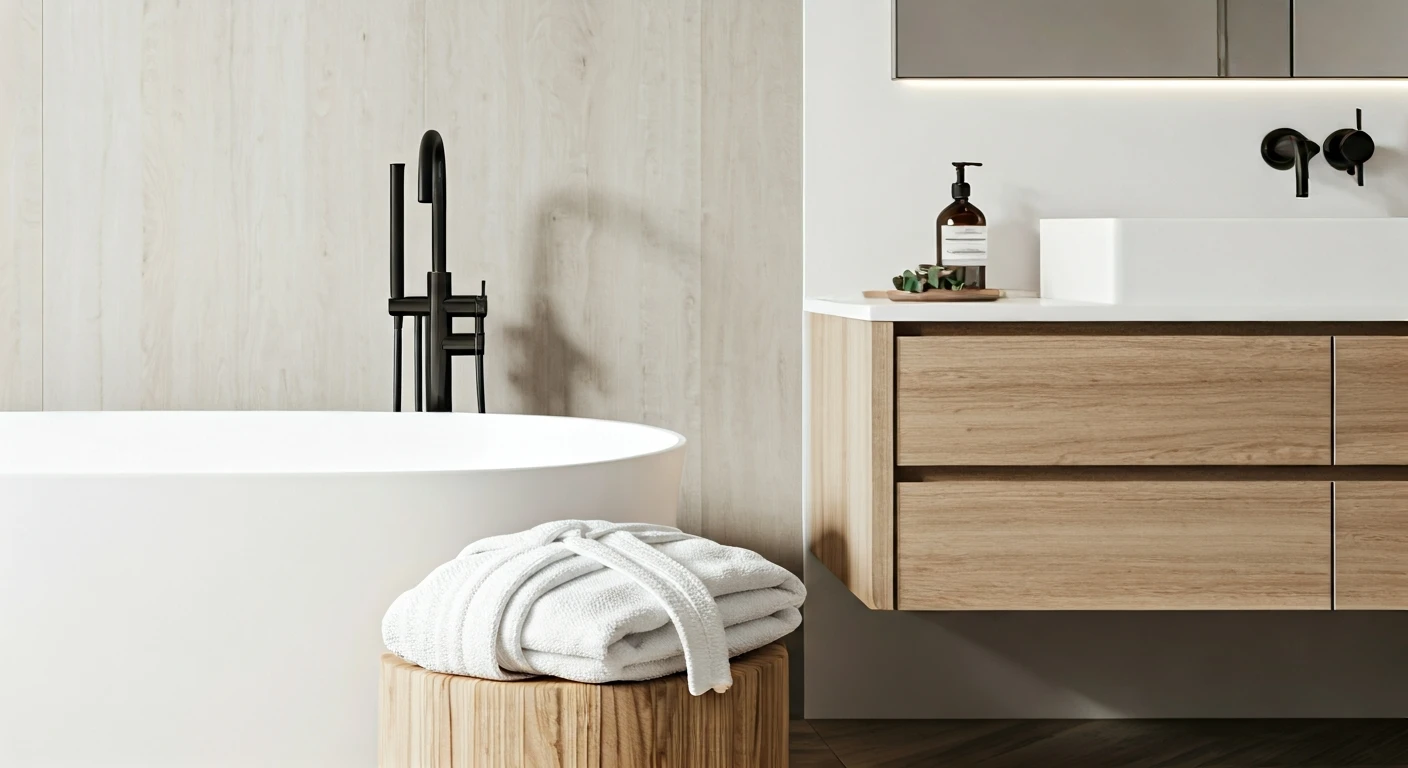
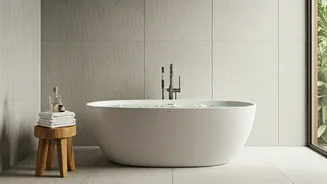
For the better part of a decade, the dominant aesthetic was one of elegant restraint. Inspired by Scandinavian design and a Marie Kondo-fueled desire to declutter, we embraced minimalism. We painted our walls gray, bought white furniture, and believed
that less was always more. The look was clean, photogenic, and, after a while, a little bit soulless. The pandemic put the final nail in the coffin. Confined to our homes, we realized they weren't just backdrops for a curated life; they were the entire set. Suddenly, that sparse, impersonal look felt less like a choice and more like a sentence. We started craving comfort, personality, and a sense of life, which the old rules simply couldn't provide.
Enter: 'Dopamine Decor'
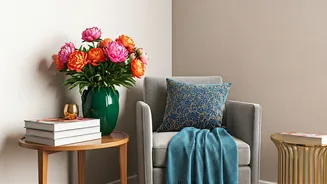
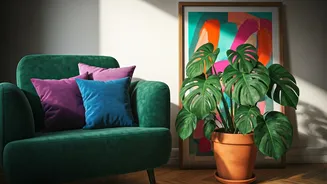
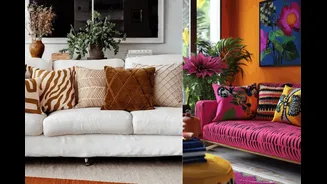
The antidote to the minimalist fatigue has a name: “dopamine decor.” It’s the home-styling equivalent of “dopamine dressing”—using clothes to boost your mood. The principle is the same: fill your space with colors, textures, and objects that make you genuinely happy. This isn't about following a strict set of rules or chasing a trend for its own sake. It’s a deeply personal approach that prioritizes feeling over form. Does a bright yellow armchair spark joy? Get it. Does a gallery wall of mismatched art and family photos make you smile? Go for it. The goal is to create a space that’s a vibrant, joyful reflection of the people who live there, not a sterile showroom designed for a magazine.
Painting with Personality
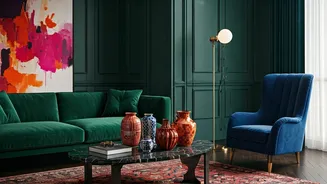
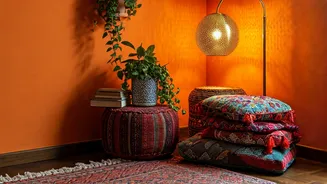
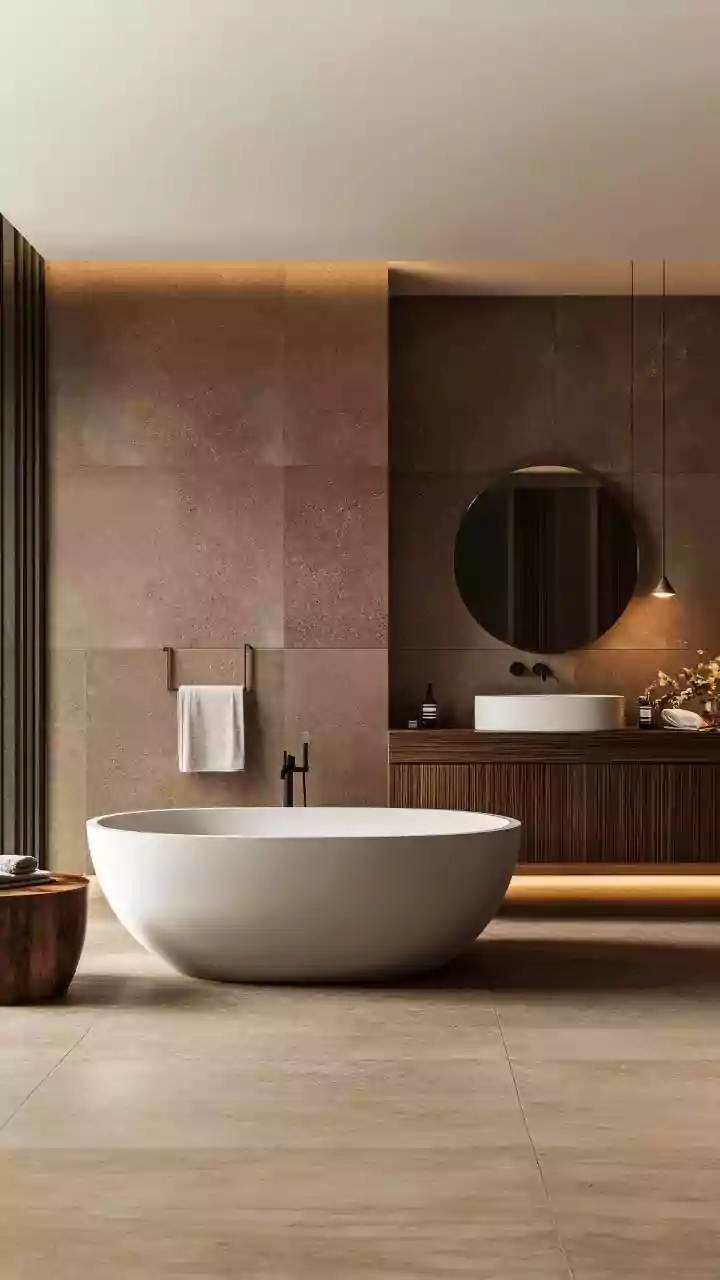
So, what does this new era of color look like? It’s not just about splashing any bright paint on a wall. The new palette is sophisticated and intentional. We’re seeing a return to rich, earthy tones like terracotta, ochre, and olive green that ground a space and make it feel warm and inviting. At the same time, deep jewel tones—emerald green, sapphire blue, and ruby red—are being used to create drama and a sense of luxury. These colors are often used on all four walls, or even the ceiling, to create an immersive, cocoon-like effect. It’s a bold departure from the single, timid “accent wall” of the past. The message is clear: don't be afraid to go all in.
It’s a Jungle in Here (And That's a Good Thing)
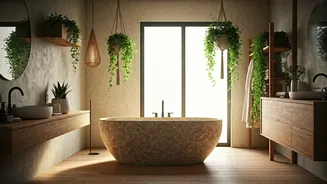
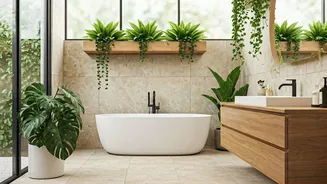
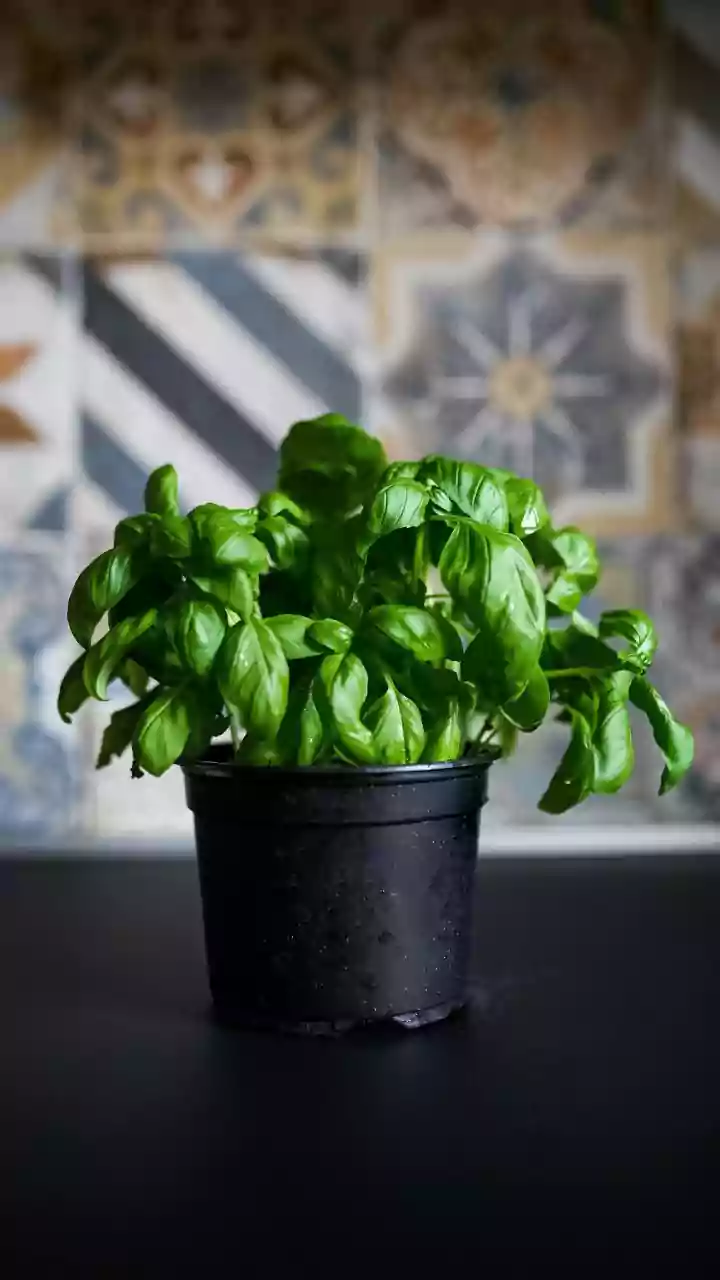
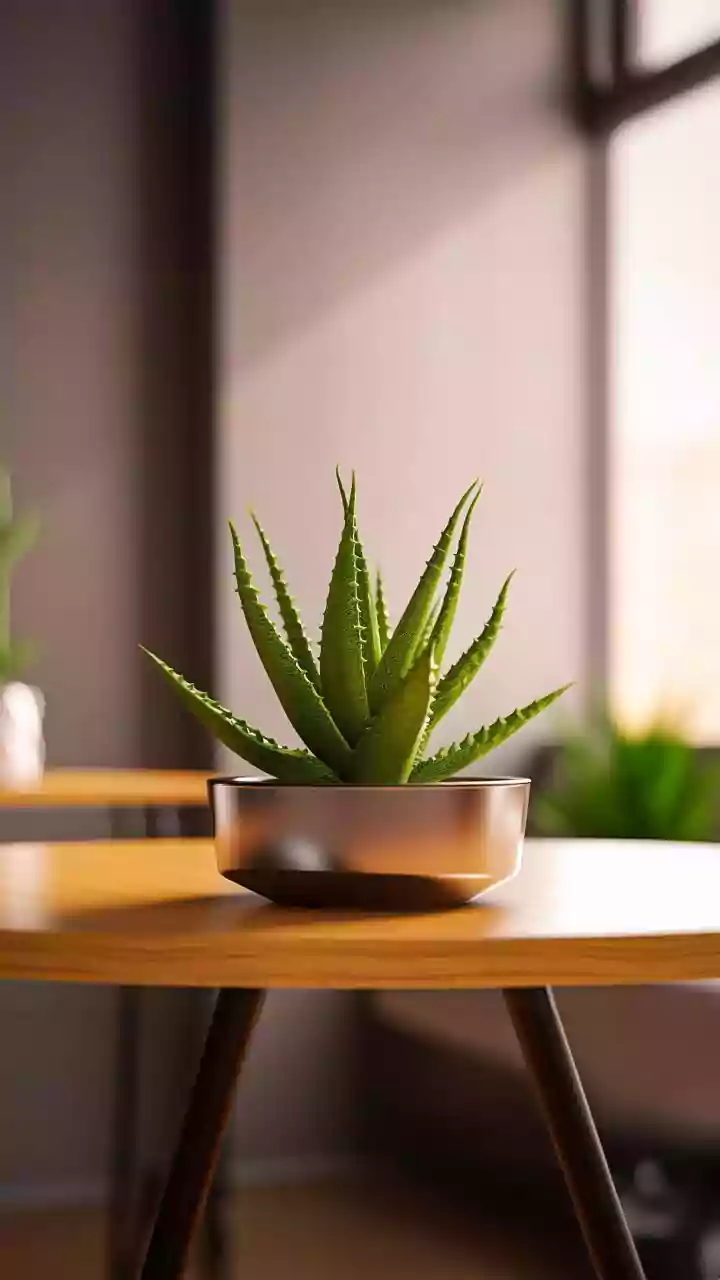
Alongside color, houseplants have exploded in popularity, moving from a single, sad succulent on a desk to a core feature of home design. This is the heart of “biophilic design,” the idea that connecting with nature—even indoors—has proven benefits for our mental and physical well-being. Plants literally breathe life into a room. They add texture, sculptural shapes, and a dynamic sense of growth that static decor can't match. You don’t need a green thumb to get started. Hard-to-kill heroes like the Snake Plant and Pothos are perfect for beginners, while statement-makers like the Fiddle Leaf Fig or Monstera deliciosa can become living sculptures that act as a room's focal point. They purify the air, reduce stress, and make a space feel cared for.
How to Start Without Starting Over
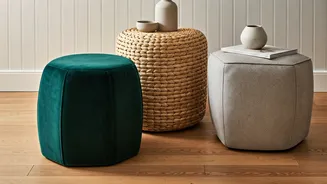
Embracing color and plants doesn’t require a full-scale renovation or a trust fund. The beauty of this trend is that it’s about layering, not demolition. Start small. Swap out your neutral throw pillows for ones in a bold velvet or a funky pattern. Buy one beautiful, easy-care plant and a stylish pot. Find a vintage lamp with a colorful shade at a thrift store. The key is to add elements that speak to you over time. Paint is another low-cost, high-impact tool. Consider painting the inside of a bookshelf, a single door, or a small powder room in a daring color to test the waters. This approach is more sustainable, more affordable, and ultimately results in a home that feels authentically and uniquely yours.