





Ease: The Quest for Seamless Living
For many Indian-American families, the home is the central hub for social and family life. Grand holiday celebrations, frequent gatherings of friends, and the accommodation of visiting relatives (or even multiple generations under one roof) are the norm.
This deep-rooted cultural emphasis on community and hospitality directly translates into a desire for 'ease' in a home's design. Think open-concept floor plans that allow for effortless flow between the kitchen, dining, and living areas, creating a single, inclusive space where a dozen people can comfortably mingle. Large, modern kitchens with dual ovens, expansive islands, and ample pantry storage aren't just luxuries; they're practical necessities for preparing elaborate meals for guests. Beyond entertaining, 'ease' also means low-maintenance living. Busy professionals and their families often prefer durable materials like quartz countertops, hardwood or tile flooring, and low-upkeep landscaping. The less time spent on chores and repairs, the more time is available for family, career, and community engagement. Proximity is another facet of ease—homes located near good school districts, cultural centers, temples, and grocery stores that stock familiar ingredients are highly sought after, simplifying the logistics of a culturally rich life in America.
Security: A Modern Fortress of Comfort
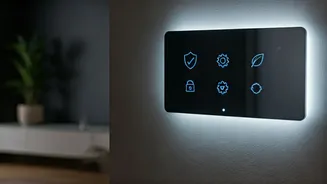
Security is a paramount concern, but it extends far beyond a simple alarm system. For Indian-American homeowners, it represents a holistic sense of safety and stability for their family and their investment. On the technological front, this demographic has been a swift adopter of smart home security. Integrated systems with video doorbells, perimeter cameras, smart locks, and 24/7 monitoring provide peace of mind, whether they are at work or traveling abroad to visit family. These systems offer a sense of control and connection to the home that is highly valued. But security is also about location and community. There is a strong preference for homes in well-regarded neighborhoods with low crime rates and a strong sense of community. Gated communities are particularly popular, offering an added layer of controlled access and shared amenities. Financial security is intertwined with this; a home is often seen as the most significant investment a family will make. Therefore, purchasing in an area with a history of strong property value appreciation and economic stability is a non-negotiable part of the equation. This ensures the home is not just a sanctuary, but a solid foundation for future generations.
Efficiency: Smart, Practical, and Purposeful
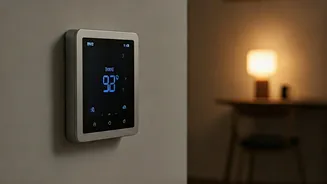
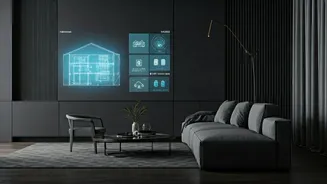
Efficiency is less about penny-pinching and more about a mindset of smart resource management. Reflecting a culture that often values education, engineering, and technology, Indian-American buyers are drawn to homes that are intelligently designed and technologically advanced. This starts with energy efficiency. Features like high-R-value insulation, double- or triple-paned windows, and energy-efficient HVAC systems are major selling points. They appeal to both an environmental consciousness and a practical desire to minimize long-term utility costs. The demand for efficiency carries over into the home's functionality. With a high concentration of professionals in tech, medicine, and engineering, a well-equipped and dedicated home office is often a must-have, especially in a post-pandemic world. Furthermore, smart home integration that goes beyond security is a key desire. Think automated lighting, smart thermostats that learn family routines, and Wi-Fi-enabled appliances that can be managed from a smartphone. These features aren't gimmicks; they are seen as tools that streamline daily life, saving time and mental energy for a demographic that leads a fast-paced, high-achieving lifestyle.