



The Land Where Rain is an Art Form
Tucked away in the Khasi Hills of Meghalaya in northeast India, Cherrapunji—also known by its traditional name, Sohra—holds a near-mythical status. For decades, it was famous for being the wettest place on Earth, a title now often given to its nearby
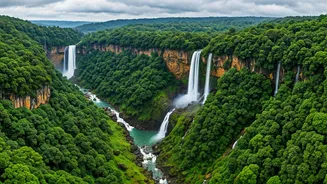
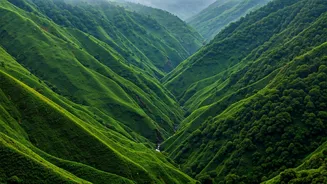
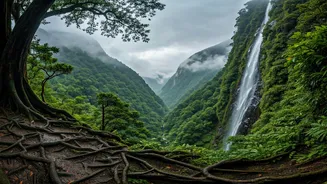
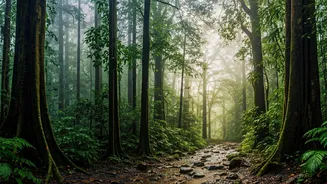
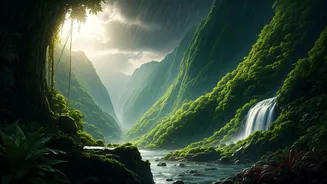
neighbor, Mawsynram. But the distinction hardly matters. Here, the monsoon isn't a seasonal annoyance; it's the lifeblood and the architect of the entire region. The rain, which can fall for days on end, has sculpted a world of staggering beauty, carving deep gorges and feeding a network of waterfalls that seem to spring from every cliffside. For visitors, this isn't about hiding under an umbrella. It’s about witnessing nature's power in its most life-giving form, where the constant drizzle fosters a unique and profoundly lush ecosystem.
A Symphony of Waterfalls
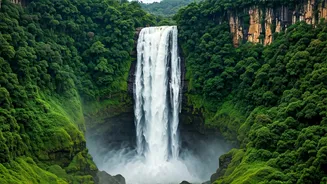
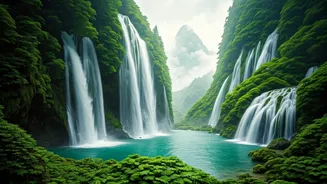
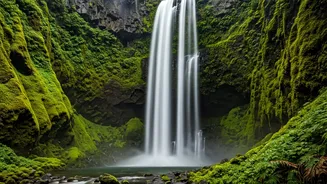
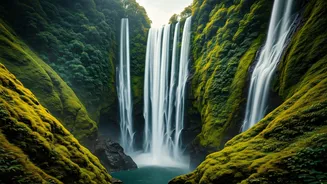
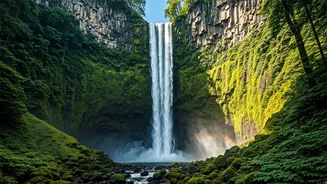
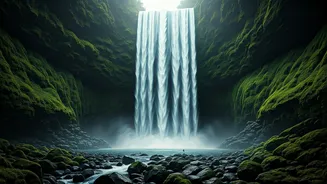
The true reward for all that rain is the waterfalls. Cherrapunji is less a single town and more a sprawling canvas of cascades. The most famous is Nohkalikai Falls, the tallest plunge waterfall in India. Its waters drop over 1,100 feet from a verdant plateau into a turquoise pool below, its story steeped in local Khasi folklore. Then there's the Nohsngithiang Falls, more famously known as the Seven Sisters Falls. During the peak monsoon season, seven distinct streams of water cascade side-by-side down limestone cliffs, creating a breathtaking panoramic spectacle, especially as the sun sets and casts a golden glow upon the mist. These aren't just trickles of water; they are roaring, powerful forces that command your attention and fill you with a sense of awe.
Walking on Living Root Bridges
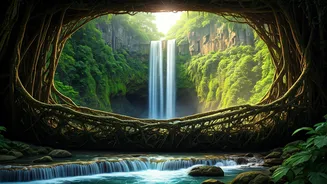
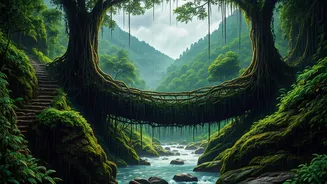
Perhaps the most ingenious and iconic feature of the region isn't made by nature alone, but in partnership with it. For centuries, the indigenous Khasi people have guided the rubbery roots of the Ficus elastica tree across rivers and gorges, weaving them over generations to form sturdy, living bridges. These structures are masterpieces of bio-engineering, growing stronger over time as the roots thicken. To walk across one is to step into a fairy tale. The most famous, the Umshiang Double-Decker Root Bridge in Nongriat village, is a testament to patience and a harmonious relationship with the environment. The trek to reach them can be demanding, involving thousands of stone steps, but the experience of standing on a bridge literally grown from the forest is an unforgettable reward.
An Escape in Every Sense
A trip to Cherrapunji is more than just sightseeing; it's an escape from the noise and predictability of modern life. It’s about trading concrete for moss-covered stones, the hum of traffic for the roar of a waterfall, and dry, air-conditioned spaces for the fresh, mist-filled air of the jungle. Beyond the waterfalls and bridges, you can explore ancient caves like Mawsmai Cave, with its stunning stalactite and stalagmite formations, or simply sit and watch the clouds roll through the valleys. The local Khasi culture, with its matrilineal society and unique cuisine, adds another layer of depth to the journey. This isn't a passive vacation; it’s an active immersion into a world governed by the rhythm of rain and the resilience of nature.