






The Most Sacred and Difficult Fast
At the heart of this phenomenon is Pandava Nirjala Ekadashi, one of the most significant and challenging observances in the Hindu calendar. For devout followers, 'Ekadashi' marks the eleventh day of each lunar fortnight, a time for spiritual reflection,
prayer, and fasting. While many Ekadashi fasts allow for fruit or water, 'Nirjala' takes it to another level. The word itself translates to 'without water.' For a full 24-hour period—from sunrise to the next sunrise—observers abstain from both food and water. It's a profound act of devotion and self-discipline, believed to cleanse the body and soul and bestow spiritual merit equivalent to observing all 24 other Ekadashis throughout the year. The fast is named for the Pandavas of the epic Mahabharata, specifically Bhima, whose immense appetite made it impossible for him to observe the regular fasts, so he was granted permission to observe this single, intense fast to gain the benefits of all.
The Psychology of a Digital Craving
So, where do the cooling drinks come in? It's a classic case of what psychologists call 'ironic process theory.' The moment you tell your brain *not* to think about a white bear, that’s the only thing you can picture. When the body is deprived of water, especially in the often-sweltering heat of late spring or early summer when this Ekadashi falls, the mind becomes fixated on quenching thirst. In the 21st century, that fixation doesn't just stay in your head. It goes straight into the Google search bar. People who are fasting, or even those around them who are keenly aware of the fast's difficulty, start thinking about, dreaming of, and digitally window-shopping for the very thing they cannot have. This creates a peculiar, counterintuitive spike in search traffic for drinks, recipes, and images of refreshing beverages. It’s a modern, digital manifestation of a primal human urge.
A Virtual Tour of What They’re Searching For
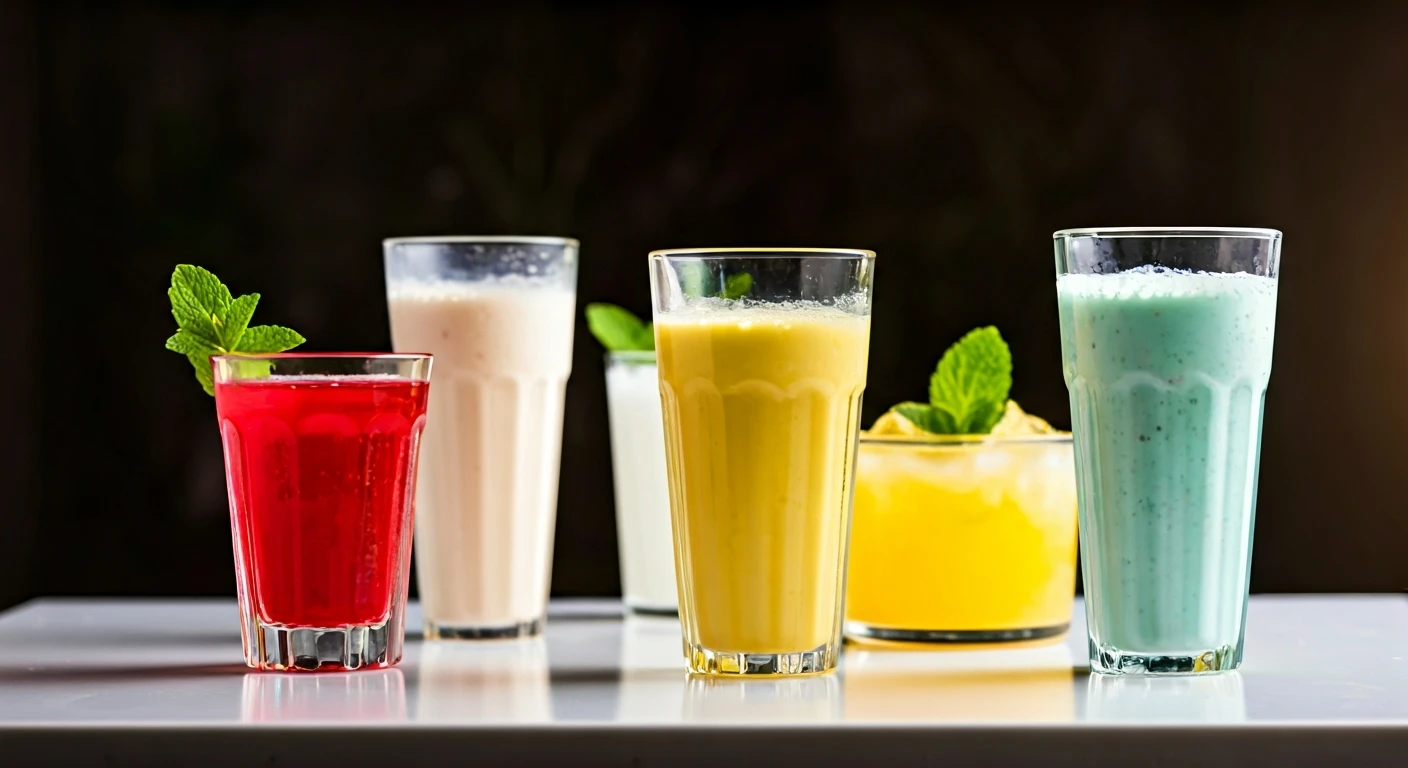
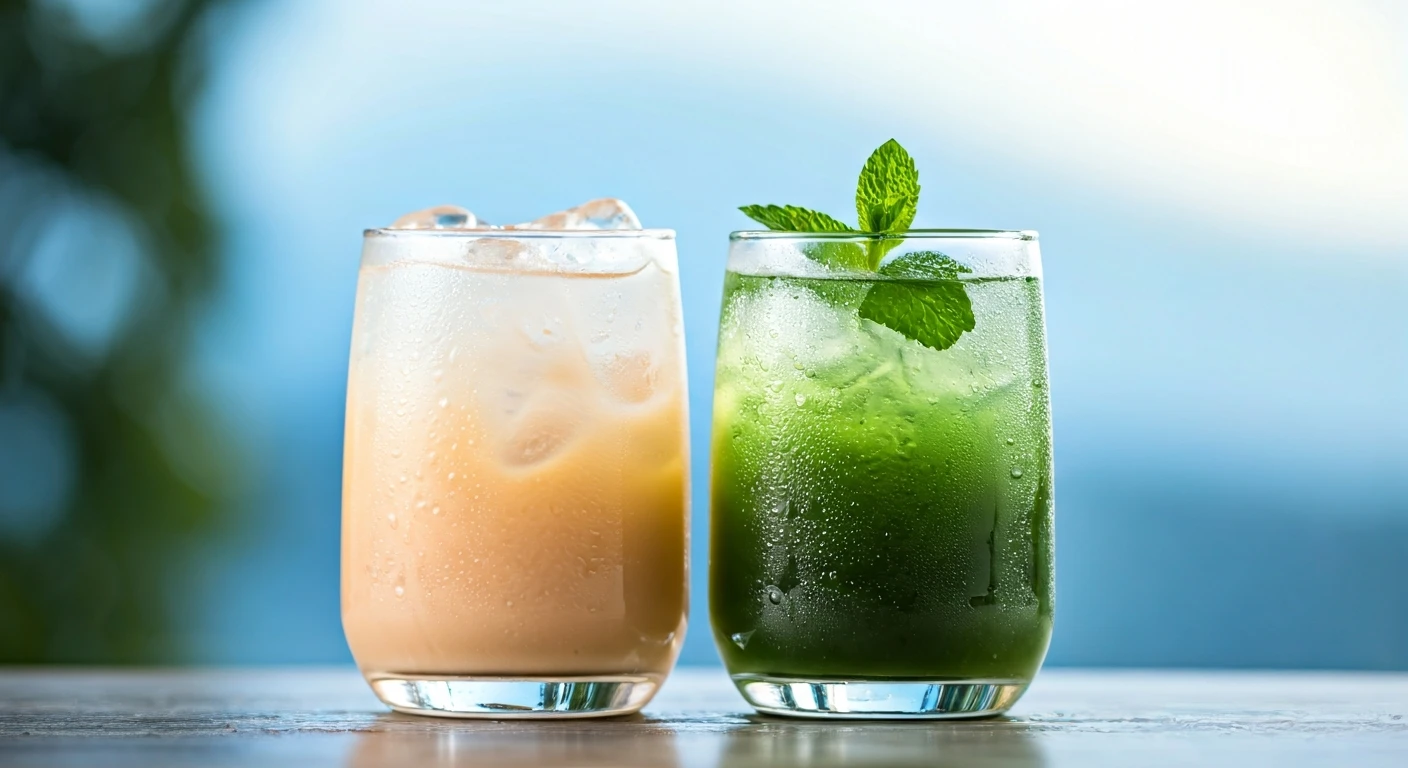
The search queries aren't for just any old soda. They're for deeply satisfying, culturally specific coolers that promise relief. Imagine the browser tabs filled with vibrant images of drinks like *nimbu pani* (or *shikanji*), a classic Indian lemonade that’s a perfect balance of sweet, salty, and tart, often spiced with cumin or black salt. Then there’s the creamy, dreamy mango lassi, a yogurt-based smoothie that’s both a drink and a dessert. You’ll find searches for *jaljeera*, an electrifying, savory drink made with cumin, ginger, and mint that’s designed to cool you from the inside out. Even simple buttermilk, or *chaas*, seasoned with herbs, becomes an object of intense digital desire. For those observing the fast, this online activity can be a form of deferred gratification—planning and anticipating the moment the fast can be broken with the most satisfying drink imaginable.
Tradition in a Digital World
This trend isn't a mockery of the fast; it's a testament to its power and its place in modern life. Nirjala Ekadashi is a day of profound spiritual focus, where detachment from physical needs is the ultimate goal. The digital distraction of searching for drinks could be seen as a minor stumble, but it can also be viewed as a very human part of the process. It highlights the immense mental fortitude required to complete the observance. In a way, the internet becomes a silent witness to the struggle and the devotion. It shows how ancient traditions don’t just survive in the modern world—they interact with it, creating new, fascinating cultural footnotes along the way. The search data tells a story not just of thirst, but of faith, willpower, and the universal human experience of wanting what you can't have.