



The Probiotic Promise and Its Limits
Walk down any health food aisle, and you’ll see the promise in a bottle: probiotics. These supplements, containing live beneficial bacteria, became a sensation by offering a simple fix for digestive woes and a shortcut to a healthier gut. The idea was
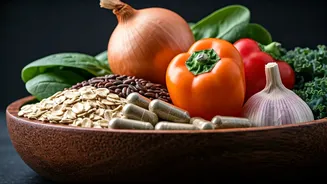
intuitive: our guts contain good bacteria, so adding more must be better, right? This led to a multi-billion dollar industry, with pills, powders, and yogurts all promising to deliver friendly microbes directly to your system. While certain probiotics are well-studied and effective for specific conditions—like preventing antibiotic-associated diarrhea or managing certain irritable bowel syndrome (IBS) symptoms—the hype has outpaced the science for general wellness. Many over-the-counter products are a shot in the dark. They may not contain the strains listed, the bacteria might not survive the journey through your stomach acid, or they might not be the right strains for your unique biology. It’s like sending in a few dozen soldiers when you really need a thriving, self-sufficient city.
The New Goal: A Diverse Inner Ecosystem
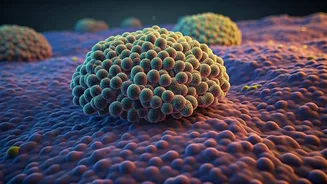
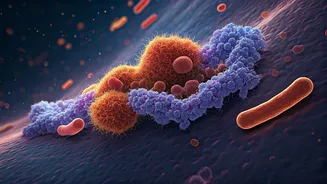
This is where the conversation is shifting. Scientists now emphasize a different goal: gut diversity. Instead of focusing on adding one or two specific bacterial strains, the aim is to cultivate a rich and varied ecosystem of microbes. Think of your gut not as an empty vessel to be filled, but as a complex garden. A healthy garden isn’t just one type of flower; it’s a bustling environment of thousands of different plants, insects, and organisms working in harmony. Your gut microbiome is home to trillions of bacteria, fungi, and viruses. A high-diversity microbiome is more resilient, adaptable, and better at performing its essential functions. These include digesting food your body can’t, producing essential vitamins like K and B vitamins, regulating your immune system, and even influencing your mood. When one type of microbe is knocked out by stress, a poor meal, or medication, a diverse system has others that can step up and fill the gap, preventing a total collapse.
Why Diversity Wins the Long Game
A diverse gut is a strong gut. Research increasingly links low microbial diversity to a host of modern health issues, including obesity, inflammatory bowel disease (IBD), type 1 diabetes, and autoimmune conditions. A less diverse gut is more fragile and susceptible to being overgrown by pathogenic (harmful) bacteria. It’s like a town with only one employer; if that factory shuts down, the whole town suffers. This is why the simplistic “probiotic pill” approach often falls short. It doesn’t address the underlying environment. You can’t fix a barren wasteland by planting a single rosebush. To truly improve gut health, you need to create the conditions for a wide range of beneficial microbes to flourish on their own. The best way to do that isn't by parachuting in temporary visitors, but by feeding the residents you already have and encouraging them to thrive.
How to Cultivate Your Gut Garden
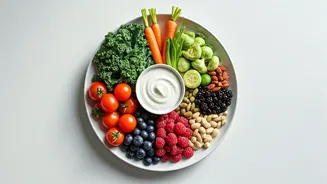
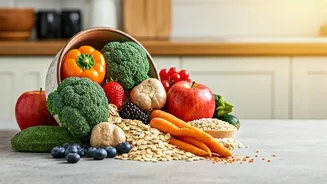
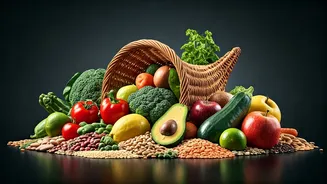
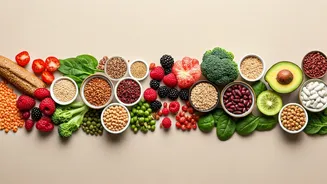
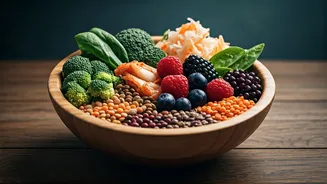
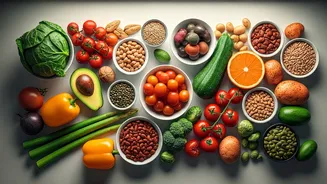
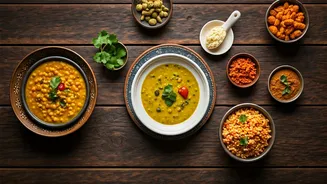
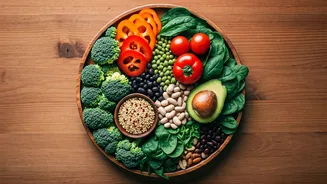
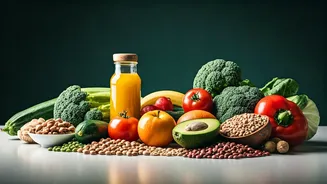
So, how do you achieve gut diversity? The answer lies less in the supplement aisle and more in the produce section. The key is feeding your microbes what they love: fiber. Different microbes digest different types of fiber, so the wider the variety of plant foods you eat, the more diverse your microbiome will become. This is the core principle of the “diversity diet.” Aim to eat a wide range of fruits, vegetables, whole grains, legumes, nuts, and seeds. A common goal recommended by microbiome experts is to try to eat 30 different plant-based foods per week. This sounds daunting, but it includes herbs, spices, and everything from a handful of almonds to the onion in your pasta sauce. Additionally, incorporating fermented foods like kefir, kimchi, sauerkraut, and kombucha can introduce novel, beneficial microbes that contribute to the overall ecosystem. Unlike a static pill, these foods provide both microbes and the prebiotics (fiber) they need to survive.