



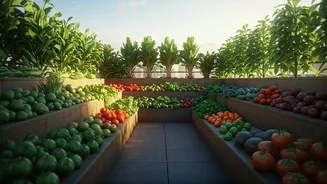
The Inflation-Proofing Patch
Let’s be honest: the number one reason for this shift is the sticker shock at the grocery store. For years, the common wisdom was that you couldn’t possibly grow vegetables cheaper than you could buy them, especially when factoring in the cost of soil,
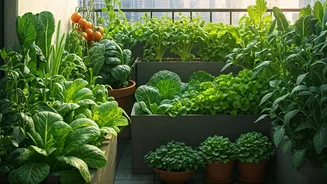
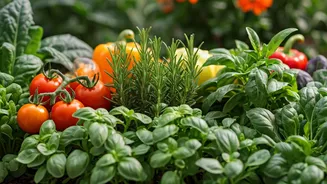
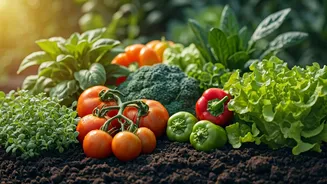
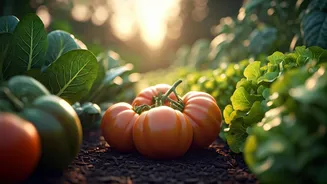
tools, and your own time. That math has fundamentally changed. When a single head of lettuce creeps toward five dollars and organic bell peppers feel like a luxury item, the economics of a home garden start looking much more attractive. A single, well-tended tomato plant that yields 10-15 pounds of fruit over a season isn't just a hobby; it's an investment that pays real, edible dividends. Gardeners are no longer just growing for flavor or fun—they are growing for savings. This isn't the sprawling Victory Garden of the 1940s, but a modern, micro-version of it, squeezed into suburban backyards, patio containers, and sunny apartment balconies. The goal is simple: supplement the grocery bill and insulate the dinner table from the volatility of food prices.
Beyond the Bottom Line
While money is a huge motivator, it’s not the only one. The pandemic era exposed the fragility of our long, complex supply chains. Empty shelves and purchase limits were a wake-up call for many, fostering a desire for a greater degree of self-sufficiency. Having a few productive plants in the backyard provides a small but potent sense of security. You know where your food is coming from, you know what was (or wasn't) sprayed on it, and you know that no matter what happens at the port or in the trucking industry, you can still walk outside and pick a salad. This psychological comfort is a powerful driver. It’s a return to a more direct relationship with our food, bypassing the anonymous, industrial system for something tangible and personal. It’s less about going fully off-grid and more about reclaiming a sliver of control in an uncertain world.
Meet the New Workhorse Crops
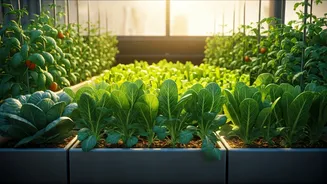
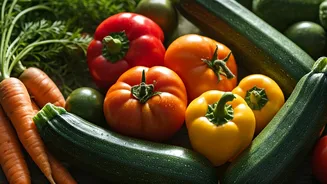
This practical mindset is changing *what* people are planting. The era of focusing on fussy, Instagram-worthy heirloom varieties that produce one perfect but difficult tomato seems to be fading. Instead, gardeners are gravitating toward the reliable workhorses of the vegetable world. They’re choosing prolific zucchini and summer squash varieties that threaten to take over the kitchen counter. They’re planting cut-and-come-again lettuces and kale that provide a steady supply for weeks. They’re opting for determinate (bush-style) tomato varieties that are perfect for containers and produce their fruit in a concentrated window, ideal for making sauce. The new status symbol isn't a rare, striped German tomato that was a pain to grow; it's a freezer full of green beans, a pantry stocked with canned tomatoes, and a crisper drawer that’s always full.
Your First Practical Plot
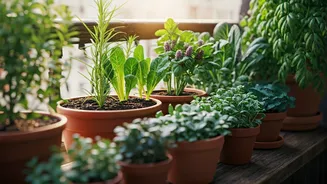
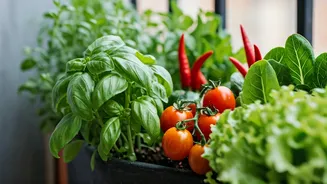
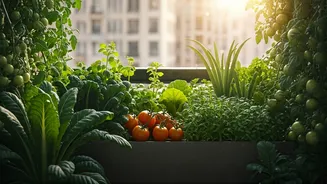
Getting started with a practical garden doesn’t require a quarter-acre lot or a trust fund. The key is to start small and smart. A few large containers on a patio can produce a surprising amount of food. A 4x4-foot raised bed is more than enough for a beginner. The mantra is to grow what you love to eat. There’s no point in dedicating space to eggplant if your family hates it. Focus on high-yield, low-fuss plants. Bush beans, for example, are incredibly productive and easy to grow from seed. A single zucchini plant will produce more than enough for a small family. And cherry tomatoes, particularly varieties bred for container gardening, will churn out sweet, snackable fruit all summer long with minimal effort. The goal is to build confidence with early wins, not to get discouraged by a crop that requires expert-level care.