



The Backlash Against 'No Pain, No Gain'
For the better part of a decade, wellness was synonymous with intensity. Think CrossFit boxes where puking was a badge of honor, or boutique fitness studios that demanded total physical annihilation for an hour. This “hustle culture” approach to fitness promised
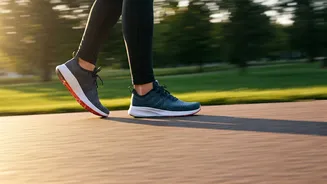
transformation through grueling effort, and we bought in. But the inevitable burnout was real. Many people found themselves injured, exhausted, or simply alienated by the high cost and competitive atmosphere. The pandemic acted as a major reset button. Stripped of access to gyms and suddenly wary of high-cortisol activities in an already stressful world, people rediscovered simpler pleasures. Walking emerged as a gentle, consistent, and surprisingly effective alternative. It represented a quiet rebellion against the idea that wellness had to be punishing to be valid. It’s a shift from flexing a six-pack to flexing a sustainable routine.
The Social Media Rebrand
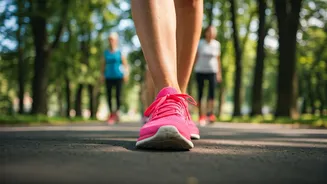
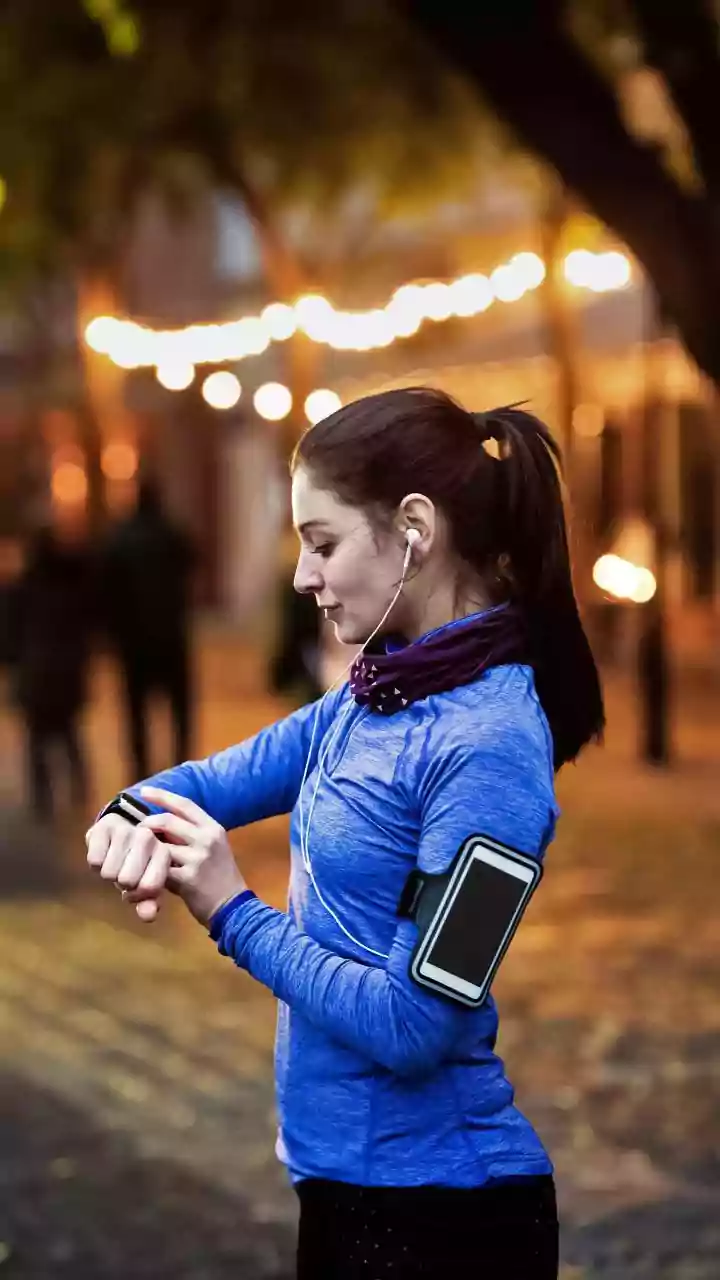
If walking needed a PR team, it found one in TikTok. The platform was instrumental in rebranding the activity from a mundane necessity to a chic lifestyle choice. The viral “Hot Girl Walk” trend, popularized by creator Mia Lind, is a perfect case study. It’s not just about logging steps; it’s a holistic ritual. The formula is specific: a four-mile walk where you are only allowed to think about three things: what you’re grateful for, your goals and how you’ll achieve them, and how hot you are. This reframing turned a simple walk into an act of self-care, mindfulness, and confidence-building. It became an aesthetic, complete with curated playlists, stylish athletic wear, and a podcast or audiobook. Suddenly, posting a picture from your daily stroll communicated something more than just exercise—it signaled that you were investing in your mental and physical health in a mindful, deliberate way.
More Than Just Physical Health
A huge part of walking’s new appeal is its profound impact on mental and cognitive well-being. The science is clear: walking is a powerful tool for reducing stress and anxiety. It lowers cortisol levels, releases endorphins, and provides a form of bilateral stimulation—the rhythmic, left-right movement—that can be meditative and help process thoughts. A study from Stanford University even found that walking can boost creative output by an average of 60%. In our overstimulated, screen-saturated lives, a walk offers a precious opportunity to disconnect from digital noise and reconnect with the physical world. It doesn’t require intense focus, leaving your mind free to wander, problem-solve, or simply be still. In an era where mental health is finally being prioritized, an activity that serves both body and mind is the ultimate life hack. It's not just a workout; it's moving meditation.
The Flex of Accessibility and Time
Here lies the central paradox and the true nature of the “flex.” Walking is one of the most accessible forms of exercise on the planet. It’s free, requires minimal equipment, and can be done almost anywhere by people of varying fitness levels. So how can something so accessible be a status symbol? The flex isn't about having the money for a gym membership; it’s about having the *time* for a walk. In our productivity-obsessed culture, taking an hour out of the day for a seemingly non-urgent activity like a stroll is a power move. It signals that you have control over your schedule, that you prioritize your well-being over endless work, and that you have achieved a level of balance many people crave. The rise of the under-desk walking pad is the ultimate symbol of this—it’s a physical manifestation of a flexible work life and a commitment to integrating wellness into every part of your day. The flex is no longer the ability to afford the class; it’s the ability to step away.