
The No-Cook Kitchen Philosophy
The movement toward cooling recipes is more than a strategy for avoiding a hot oven; it's a mindset. It’s about embracing food in its most natural, vibrant state. Think of it as the culinary equivalent of slipping on linen pants on a humid day—it’s about ease,
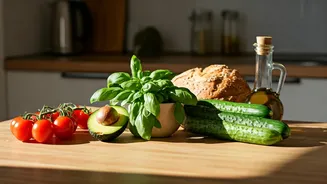
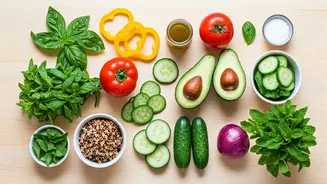
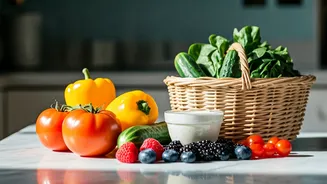
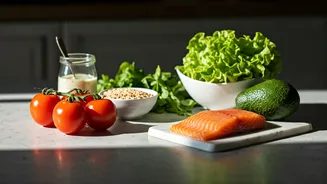
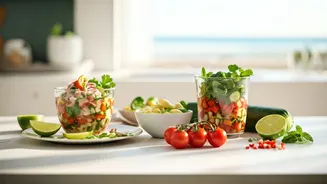
comfort, and effortless style. This philosophy prioritizes high-quality, seasonal produce and lets the ingredients speak for themselves. The 'cooking' happens through slicing, marinating, chilling, and assembling, not through the application of heat. This approach has found a natural home in the 'coastal kitchen' aesthetic—breezy, bright spaces where the focus is on fresh-from-the-market hauls rather than complicated, multi-burner productions. It channels an Ina Garten-esque confidence: the best food is often the simplest.
Gazpacho and Its Modern Cousins
Chilled soup is the original cooling recipe, and for good reason. Spanish gazpacho, a purée of raw vegetables, is a masterclass in turning summer’s bounty into a refreshing meal. But the trend has moved far beyond the classic tomato-and-cucumber blend. Today’s coastal kitchens are serving up inventive variations like white gazpacho (made with almonds and green grapes), chilled avocado-and-cucumber soup, or even sweet-and-savory cantaloupe-and-jalapeño versions. The beauty is in the preparation: a rough chop, a quick spin in the blender, and a few hours in the refrigerator to let the flavors meld. The result is a dish that feels both rustic and incredibly sophisticated, perfect for a light lunch or an elegant dinner party starter.
Mastering the Art of Crudo and Ceviche
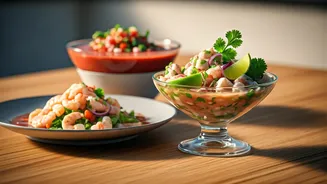
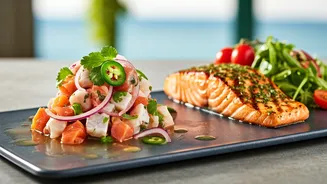
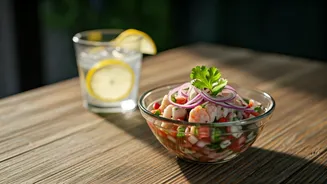
Nothing says 'coastal' quite like fresh seafood. Crudo (the Italian tradition of serving raw fish with olive oil, citrus, and salt) and ceviche (its Latin American cousin, where fish is 'cooked' in citrus juice) are the centerpieces of the cooling recipe trend. These dishes are impressively easy but deliver major visual and culinary impact. A plate of thinly sliced scallops drizzled with a good olive oil and sprinkled with flaky sea salt, or a bowl of shrimp ceviche bursting with lime, cilantro, and red onion, feels like a vacation on a plate. The key is sourcing impeccably fresh, high-quality fish. Once you have that, the work is minimal, but the payoff is a clean, bright, protein-packed meal that requires zero heat.
Next-Level Salads and Savory Fruit
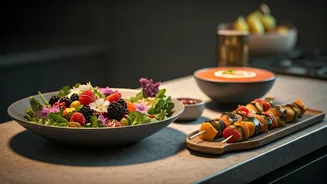
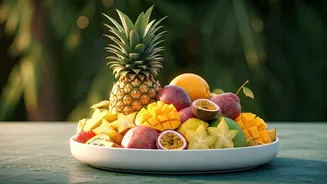
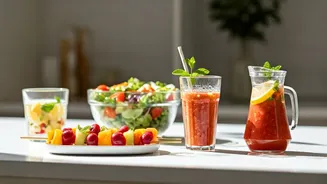
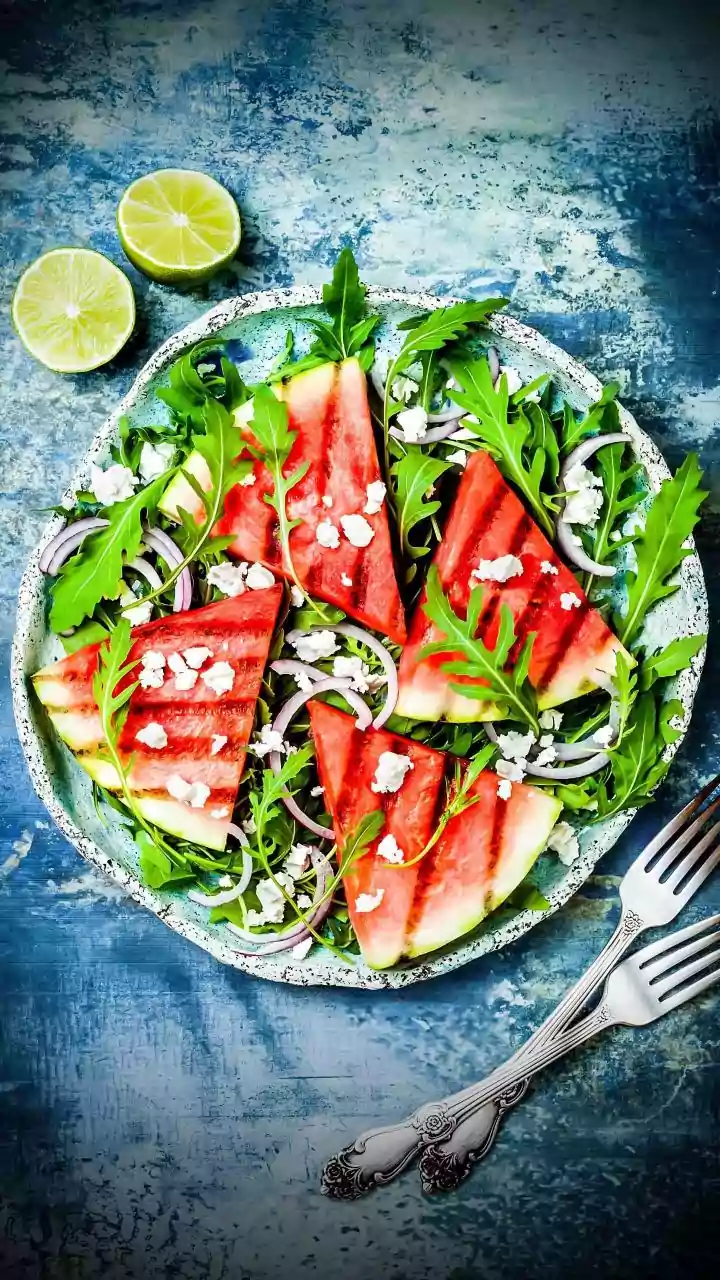
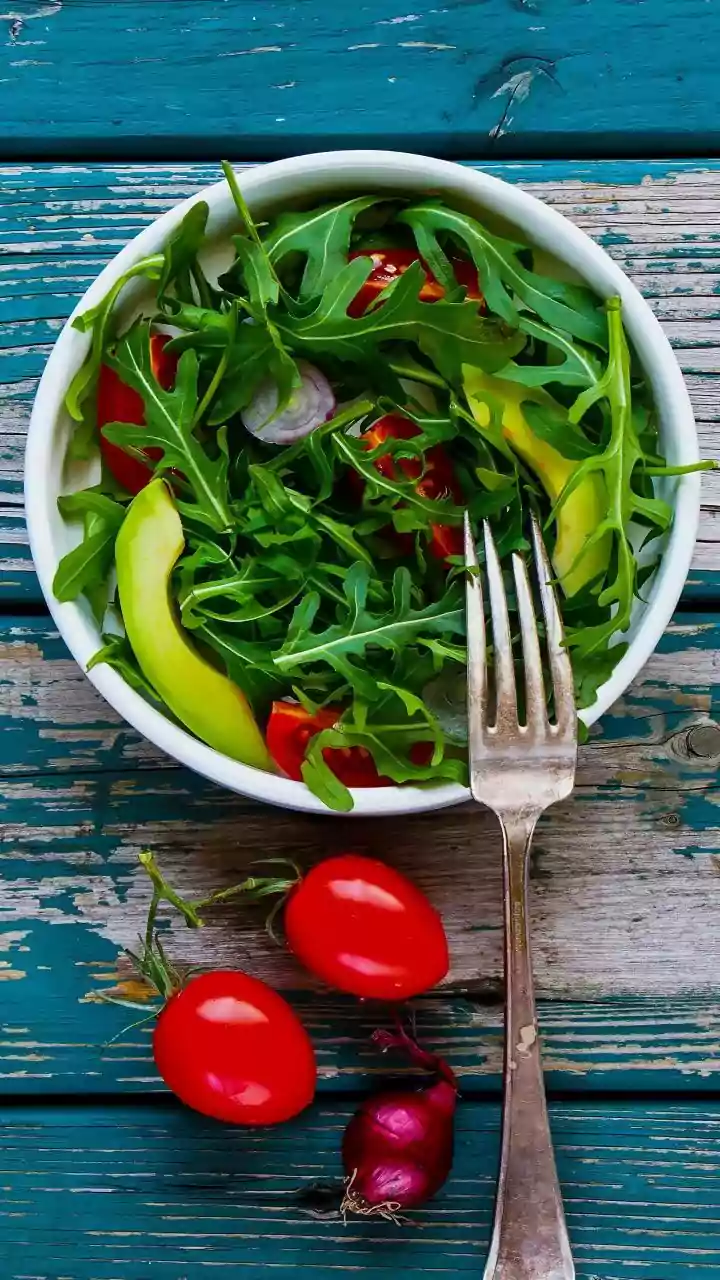
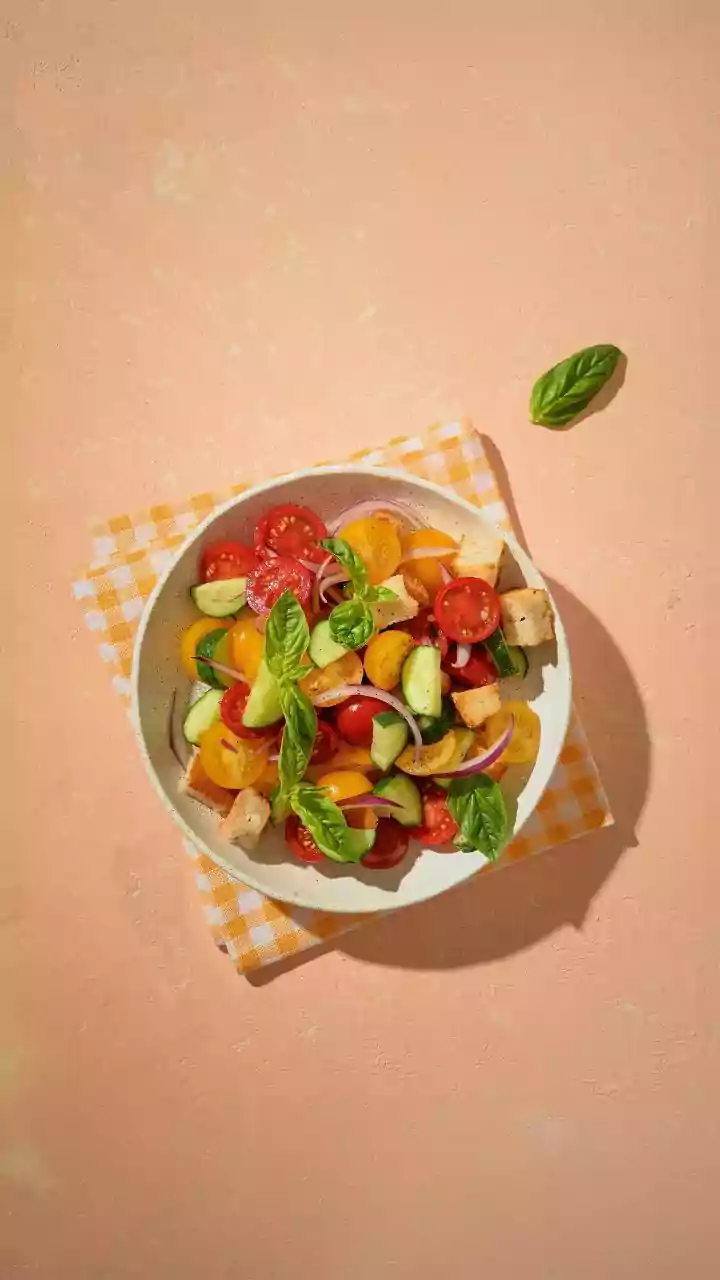
Forget limp lettuce and sad bottled dressing. The new cooling kitchen reclaims the salad as a hearty, exciting main course. The focus is on texture, contrast, and substance. Think composed salads with grains like quinoa or farro, loaded with herbs, nuts, and feta. Or consider the viral watermelon and feta salad, a perfect study in sweet-and-salty harmony. This trend also embraces savory fruit applications. Grilling is out; marinating is in. Chunks of ripe melon are paired with prosciutto, figs are drizzled with balsamic glaze, and peaches are sliced into salads with burrata and basil. It's about using the natural sweetness and juiciness of summer fruit as a core flavor component, creating dishes that are hydrating and deeply satisfying.
Effortless Frozen Desserts
When it's too hot to bake, dessert can feel like an afterthought. But cooling recipes offer a brilliant solution that goes beyond scooping a pint of store-bought ice cream. Granitas are the easiest entry point: simply freeze a mixture of fruit purée, sugar, and water in a shallow dish, scraping it with a fork every 30 minutes to create a crystalline, icy treat. Lemon and coffee are classics, but a watermelon-mint granita is pure summer. Another popular option is frozen yogurt bark—swirl fruit preserves and nuts into Greek yogurt, spread it on a baking sheet, and freeze. It breaks into snackable, healthy-ish shards that are perfect for a hot afternoon. These desserts feel special and homemade without ever turning on the oven.