



1. Invest in a True Rain Shell
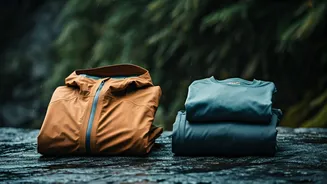
Forget the disposable poncho or the clammy, vinyl raincoat of your youth. The single most important item for rain-ready travel is a modern, technical rain shell. Look for a jacket made from a waterproof-breathable fabric like Gore-Tex, Pertex Shield,
or a brand's proprietary equivalent. These marvels of material science block wind and water from the outside while allowing sweat vapor to escape from the inside, so you stay dry without feeling like you’re wearing a plastic bag. A good shell is incredibly lightweight and can be compressed down to the size of an apple, easily fitting into a daypack or even a large pocket. It’s your primary defense, and when chosen well, it replaces a much heavier, less effective traditional raincoat.
2. Master the Art of Layering
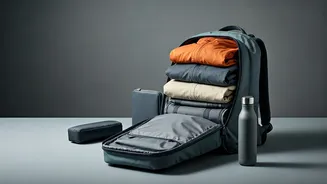
Instead of one heavy, bulky sweater, think in threes: a base layer, a mid-layer, and your outer shell. This system gives you incredible versatility to handle everything from a chilly drizzle to a cold downpour and back to sunshine. Your base layer (what touches your skin) should be made of a moisture-wicking material like merino wool or a quality synthetic. This pulls sweat away from your body to keep you from getting cold and damp. Your mid-layer provides insulation; a lightweight fleece jacket or a thin down or synthetic-fill puffy vest is perfect. Each piece is light on its own, but together, they create a warm, dry microclimate that you can adjust by simply adding or removing a layer.
3. Rethink Your Fabrics (Especially for Pants)
Cotton is a traveler’s enemy in wet weather. Once wet, a pair of cotton jeans or a hoodie takes forever to dry, weighs a ton, and leaches heat from your body. Instead, opt for pants made from quick-drying synthetic materials, often sold as “travel pants” or “hiking pants.” Many modern styles look just as sharp as chinos but will dry in a couple of hours if you get caught in a shower. For tops, merino wool is a miracle fabric. It insulates when wet, dries quickly, and is naturally antimicrobial, meaning you can wear it multiple days without it starting to smell. One or two merino wool shirts can replace several cotton ones, saving significant space and weight.
4. Choose Your Footwear Wisely
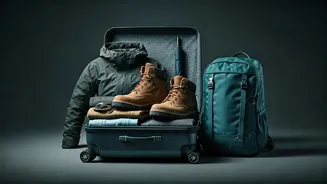
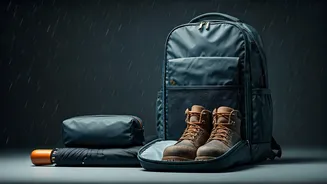
Soggy feet can ruin a travel day faster than almost anything else. But you don’t necessarily need to pack heavy, clunky rain boots. Many brands now offer stylish, comfortable sneakers and ankle boots that are either fully waterproof or highly water-resistant. A pair of waterproof trail runners or leather boots treated with a waterproofing agent can handle city puddles and moderate rain with ease while being comfortable enough for a full day of walking. Pair them with wool socks (again, no cotton!) which will keep your feet warm even if they get a little damp. One pair of versatile, water-resistant shoes is often all you need.
5. Smarten Up Your Accessories
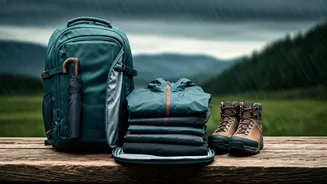
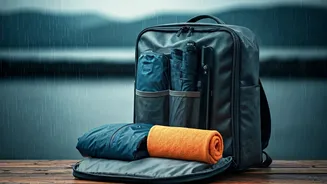
The right small items can make a huge difference. First, a compact, high-quality travel umbrella is non-negotiable. Look for one with a vented canopy that can withstand wind without turning inside out. It’s a simple but effective tool for keeping your head and shoulders dry during a quick dash between the museum and the cafe. Second, consider a waterproof hat. A baseball cap works in a pinch, but a wide-brimmed rain hat (often called a “bucket hat” or “booney”) offers superior protection for your face and neck, keeping drips from running down your collar. Finally, a small, waterproof “dry bag” can be a lifesaver for protecting your electronics, wallet, and passport inside a non-waterproof backpack or tote.