



1. Replace Your Wiper Blades
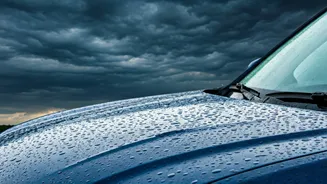
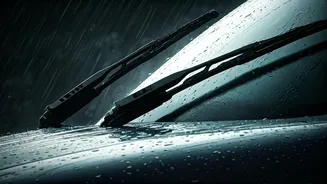
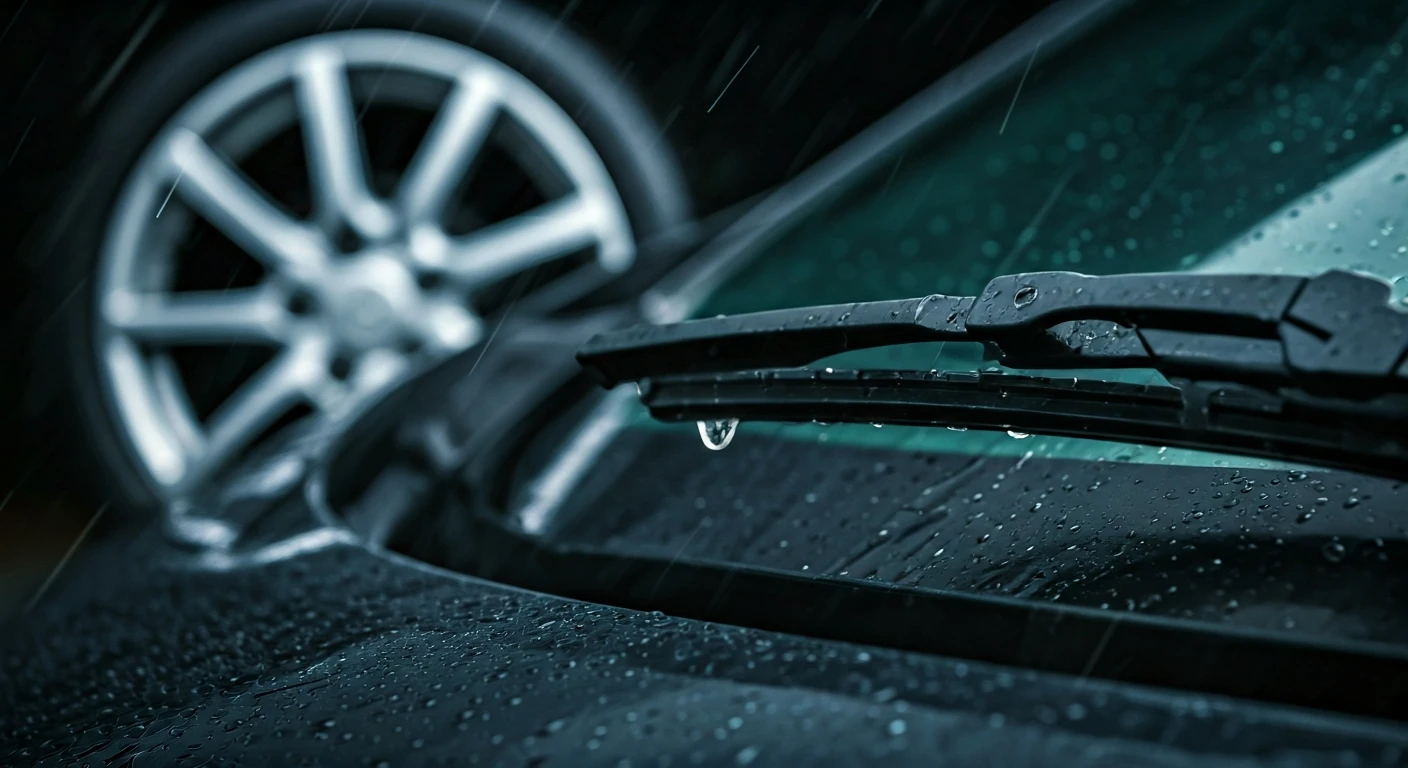
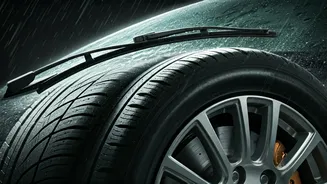
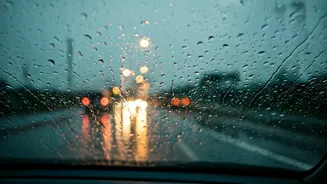
This is the most critical and easiest check. Intense desert sun cooks the rubber on wiper blades, causing them to crack, stiffen, and become useless. When a monsoon downpour hits, you need them to clear your windshield effectively. If your current blades leave
streaks, skip, or make chattering noises, replace them immediately. Don't wait for the first storm to discover they can't handle the deluge. For just a few dollars and a few minutes of your time, new blades provide a massive safety boost by ensuring maximum visibility in blinding rain.
2. Inspect Your Tires for Tread and Pressure
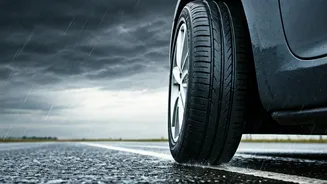
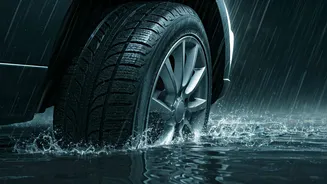
Tires are your car's only connection to the road, and their condition is paramount on wet pavement. The biggest danger is hydroplaning, where your tires lose contact with the road and skim on a layer of water, causing a complete loss of control. To prevent this, you need adequate tread depth to channel water away. Use the classic 'penny test': insert a penny into your tire's tread with Lincoln's head upside down. If you can see the top of his head, your tread is worn out and it's time for new tires. Also, check your tire pressure. Properly inflated tires provide better traction and stability. The correct pressure is listed on a sticker inside your driver's side doorjamb, not on the tire itself.
3. Test Your Brakes
Wet roads significantly increase your vehicle's stopping distance. Before the season starts, pay attention to how your brakes feel and sound. Do they squeal, grind, or feel spongy when you press the pedal? Does the car pull to one side when braking? These are all warning signs that your brake pads, rotors, or fluid may need service. Don't gamble with your ability to stop suddenly when a car ahead of you spins out or a flooded wash appears unexpectedly. If you have any doubts, have a trusted mechanic perform a professional brake inspection. It’s a small price to pay for the peace of mind that comes with reliable stopping power.
4. Check All Exterior Lights
During a monsoon storm, visibility drops dramatically, not just for you but for other drivers. Your car’s lights are essential for seeing and being seen. With a helper, walk around your car and check that all lights are working: headlights (both high and low beams), taillights, brake lights, and turn signals. A burned-out bulb is a simple fix that can prevent a serious accident. Hazy or yellowed headlight lenses can reduce light output by more than half. You can restore them with an inexpensive polishing kit or have a professional do it for a crystal-clear view of the road ahead.
5. Examine the Battery and Belts
The extreme heat leading up to monsoon season is brutal on your car's battery. High temperatures can cause battery fluid to evaporate, leading to corrosion and damage. Check the battery terminals for any white, powdery buildup and clean it off with a wire brush. Many auto parts stores will test your battery for free to see if it’s still holding a proper charge. While you're under the hood, visually inspect the engine's belts and hoses for any signs of cracking, fraying, or bulging. The combination of intense heat and sudden moisture can cause a worn belt to snap, leaving you stranded.
6. Stock Your Emergency Kit
Even with perfect preparation, the unexpected can happen. A flash flood or accident could leave you stranded for hours. Make sure your car has a well-stocked emergency kit. Key items include a flashlight with extra batteries, a first-aid kit, jumper cables, a phone charger or power bank, drinking water, and non-perishable snacks. Adding a rain poncho and a towel is also a smart move for monsoon season. Having these supplies on hand can turn a potential crisis into a manageable inconvenience while you wait for conditions to improve or for help to arrive.