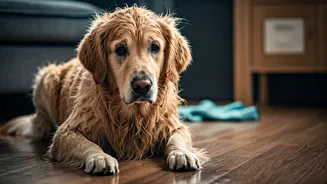


1. Start with the Coat
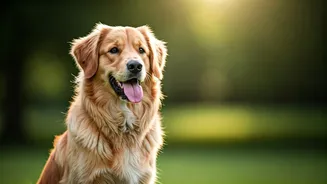
A healthy, well-maintained coat is your first line of defense. Before the rainy season hits, ensure your dog’s fur is brushed and free of mats, which can trap water and dirt against the skin, leading to irritation. Consider using a pet-safe, leave-in
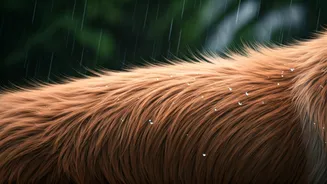
conditioning or water-repellent spray. These products work by creating a light, breathable barrier on the fur that encourages water to bead up and roll off, rather than soak in. It won’t make your dog completely waterproof, but it will dramatically reduce how saturated they get, making the post-walk dry-off faster and more effective. Apply according to the product's directions, usually after a bath on clean, dry fur.
2. Protect the Paws
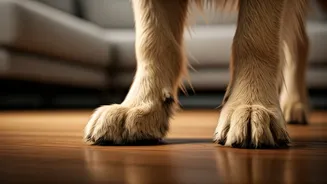
Paws are mud magnets. They track the outdoors in and can become cracked and sore from constant wetness. Before heading out, apply a thin layer of paw balm or wax. This creates a semi-permeable shield that protects paw pads from abrasive surfaces, salt, and chemicals while also repelling water and mud. It makes cleanup a breeze—often, a quick wipe with a towel is all you need instead of a full-blown paw bath. Keep a small, designated “paw towel” right by the door for immediate use upon re-entry.
3. Rethink Your Rain Gear
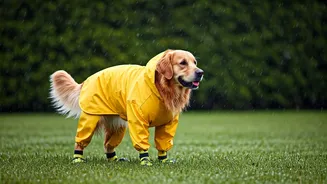
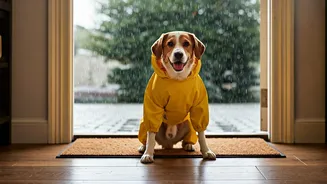
A good raincoat is a game-changer, but not all are created equal. Look for a jacket that offers good belly coverage to minimize splash-back on the chest and underside. Lightweight, breathable materials like Gore-Tex prevent your dog from overheating, while adjustable straps ensure a snug fit that doesn't restrict movement. A well-fitting coat should cover your dog from the neck to the base of the tail. For dogs who dislike hoods, a coat with a high collar can still offer significant protection for their neck and chest.
4. Master the Post-Walk Dry-Off
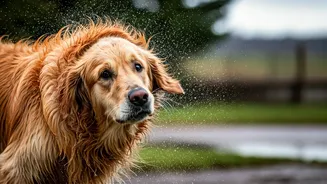
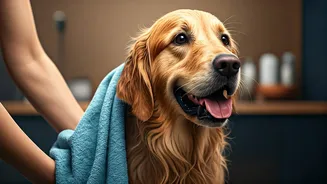
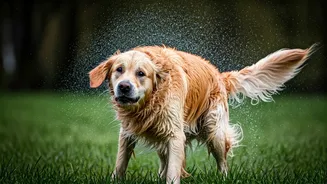
The moments after a wet walk are crucial. Swap your old bath towels for a set of high-absorbency microfiber pet towels. These “shammy” style towels can soak up many times their weight in water, drastically cutting down drying time. Focus first on the areas that hold the most moisture: the belly, legs, and ears. For long-haired breeds or dogs who get chilled easily, a pet-specific blow dryer can be a worthy investment. These dryers use lower heat settings than human ones to protect their sensitive skin, and the powerful airflow quickly removes dampness from even the thickest undercoats.
5. Banish the 'Wet Dog' Smell
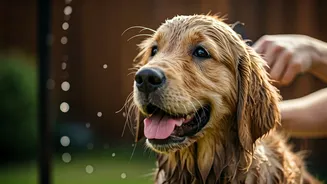
That musty odor is caused by bacteria and yeast on your dog's skin that release smelly compounds when water evaporates. The key is to get your dog dry as quickly as possible. For in-between baths, waterless shampoo is your best friend. Available as a foam or spray, you simply work it into the coat and towel it off—no rinsing required. It helps lift dirt and neutralize odors on the spot. You can also use a pet-safe deodorizing spray for a quick refresh, but ensure it’s free from harsh chemicals and artificial fragrances that might irritate your pet.
6. Create a Drying Zone
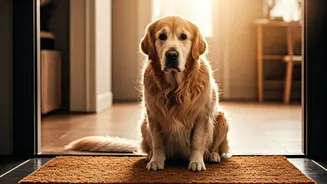
Contain the mess by establishing a dedicated entry and drying station. A waterproof mat or a set of interlocking rubber tiles inside your door gives you a designated spot to handle your wet pet without worrying about the floors. Keep your paw towel, microfiber body towel, and any waterless shampoo or brushes in a basket nearby. Training your dog to wait in this spot upon entering the house makes the entire process smoother and prevents muddy tracks from appearing all over your home. It turns a chaotic cleanup into an orderly, predictable routine.