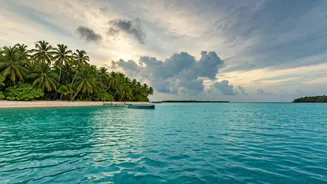



First, A Quick Primer on Paradise
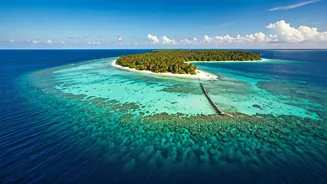
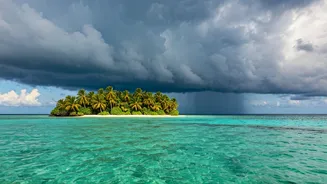
For most Americans, Lakshadweep is a new name on the map. Located in the Laccadive Sea, it’s a tropical archipelago of 36 islands belonging to India, roughly 250 miles off the southwestern coast. Think of it as India’s answer to the Maldives or Seychelles,
but far more remote and less developed. Only a handful of these islands are open to tourists, preserving their pristine coral reefs, turquoise lagoons, and quiet, palm-fringed beaches. The appeal is its untouched beauty and the sense of true escape. But this remoteness is also its greatest challenge for travelers; you aren't just hopping in an Uber to get to the next resort.
Why Weather Governs Everything Here
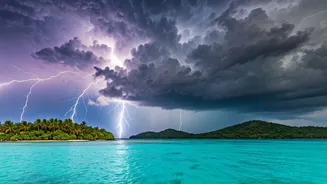
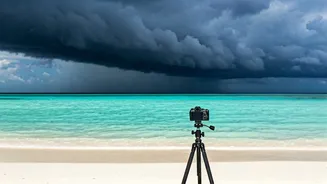
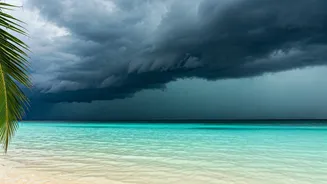
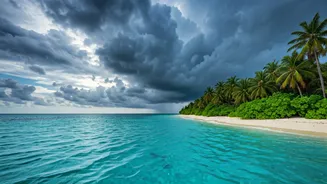
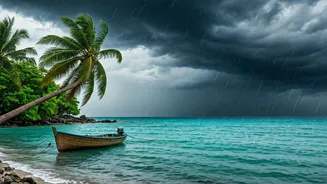
In a destination like Lakshadweep, the weather forecast isn’t about whether you’ll need a light jacket. It dictates your entire itinerary. The primary mode of transport between the islands is by sea—via ferries, speedboats, or the occasional small aircraft to the main island of Agatti. Choppy seas caused by high winds or distant storms can lead to sudden cancellations of these services, potentially leaving you stranded on one island or unable to reach your next destination. Furthermore, the main attractions are all water-based: snorkeling, scuba diving, kayaking, and relaxing on the beach. Poor visibility, strong currents, or sudden squalls can make these activities unsafe or impossible. A clear sky in the morning means little if a storm is brewing miles away, set to churn up the sea by afternoon.
Understanding the Monsoon Factor
Lakshadweep has a tropical climate, but its year is sharply divided by the monsoon. The primary tourist season runs from roughly October to mid-May, when the weather is generally dry and the seas are calm. From late May to September, the southwest monsoon brings heavy rains and strong winds, effectively shutting down most tourism. Ferry services become highly unreliable, and many resorts and dive centers close for the season. A shoulder season exists in late September and early October, but weather can be unpredictable. Relying on a generic seasonal overview isn’t enough. Even during the “good” season, tropical weather can be fickle. A reliable, up-to-the-hour forecast is necessary to navigate these micro-changes and make the most of your trip.
What to Look For in a Weather App
Not all weather apps are created equal for this kind of trip. Your phone’s default app, which might be great for telling you the temperature in Chicago, is likely insufficient. For Lakshadweep, you need an app with robust marine forecasting features. Forget just looking at the rain icon. You need to track: - **Wind Speed and Direction:** This is critical for sea travel and water sports. High winds mean rough seas. - **Wave Height and Period:** This tells you how choppy the water will be. Essential for knowing if your ferry will run or if snorkeling will be pleasant or perilous. - **Swell Forecast:** This predicts ocean waves generated by distant storms, which can impact local sea conditions even on a sunny day. - **Precipitation Radar:** A visual map showing where rain is and where it’s headed is far more useful than a simple percentage chance of rain. Apps popular with sailors, surfers, and fishermen (like Windy, Windfinder, or PredictWind) often provide this level of detail and are far more suited to a Lakshadweep adventure.
Plan Your Day Around the Data
With the right data, you can transform your trip from a game of chance to a well-executed adventure. Check the forecast the night before to tentatively plan your next day. Check it again in the morning before confirming any excursions. See a window of calm seas in the morning? That’s your time to book the boat trip to Bangaram or Thinnakara islands. Does the forecast show winds picking up in the afternoon? Plan your dive or snorkel for the morning and a land-based activity, like exploring the village on Kavaratti, for later. Using a weather app proactively allows you to work *with* the elements, not against them, ensuring you maximize every precious moment in this unique and beautiful corner of the world.