



Master Your Watering Game
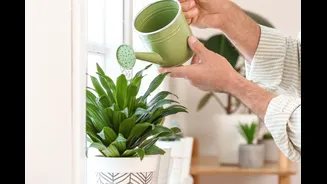
The transition from mild spring to summer heat means your plants are getting thirsty. June is the month to establish a smart watering routine. Instead of frequent, shallow sprinkles, aim for deep, infrequent soakings. This encourages roots to grow downward,
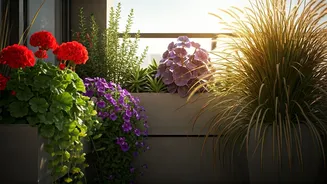
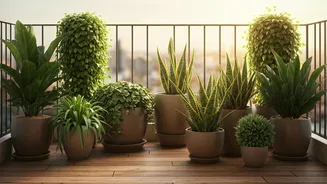
making plants more resilient to drought. The best time to water is early in the morning, which allows moisture to absorb before the sun gets intense, minimizing evaporation and reducing the risk of fungal diseases that thrive in damp, cool evening conditions. For container gardens, which dry out much faster, you may need to check the soil daily. A simple finger test works best: if the top inch of soil is dry, it’s time to water.
Declare War on Weeds
Weeds are in their prime this month, competing with your precious plants for water, nutrients, and sunlight. If you let them get established now, you’ll be fighting a losing battle all summer. The best strategy is consistent, early intervention. Spend 10-15 minutes a few times a week pulling them by hand, especially after a rain when the soil is soft and they come up easily. For larger areas, a hoe can make quick work of young weeds. After clearing a patch, apply a 2-3 inch layer of mulch (like shredded bark, straw, or compost). Mulch is a gardener's best friend: it suppresses new weed growth, retains soil moisture, and keeps soil temperatures stable.
Feed Your Hungry Plants
All this growing takes a lot of energy. June is a period of peak activity, and your plants are burning through nutrients. This is especially true for annual flowers, vegetables, and container plants that have limited soil resources. For most garden beds, a top-dressing of compost is a great all-purpose solution. For heavy feeders like tomatoes, roses, and petunias, a dose of balanced liquid fertilizer every few weeks will provide the boost they need to keep producing flowers and fruit. Always follow the package directions—more is not better and can lead to fertilizer burn. For native plants and less-demanding perennials, you can often skip this step, as they are adapted to thrive in less-amended soil.
Prune, Pinch, and Deadhead
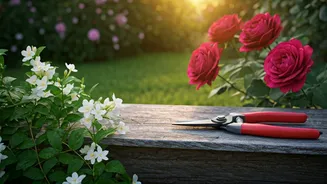
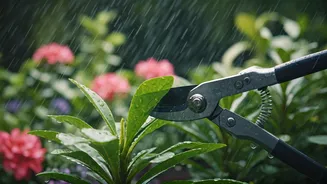
This is arguably the most satisfying homework assignment. Deadheading, or removing spent blooms, is crucial for encouraging many annuals and perennials to produce more flowers. When a plant’s flowers fade, its energy shifts to producing seeds. By snipping off the old blooms, you trick the plant into trying again, resulting in a longer, more prolific flowering season. This is also a good time for light pruning. Pinch back the tips of leggy plants like coleus and basil to encourage bushier, fuller growth. For spring-blooming shrubs like lilacs and forsythia, prune them right after they finish flowering to shape them and ensure you don’t accidentally remove next year's flower buds.
Scout for Pests and Diseases
Warm, humid June weather is an open invitation for pests and diseases. The key to management is early detection. Take regular strolls through your garden and inspect your plants, looking at the tops and bottoms of leaves. Check for common culprits like aphids on new growth, powdery mildew on squash leaves, or tell-tale holes from caterpillars. Often, a strong spray of water from the hose is enough to dislodge aphids. For more persistent issues, insecticidal soap or neem oil are effective, lower-impact options. By catching problems when they are small, you can often handle them with simple, organic methods before they become a full-blown infestation requiring more drastic measures.