




Why Visas Are Such a Headache
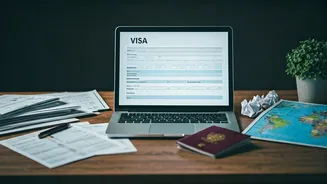
At its core, a visa is simply permission from a foreign government to enter its country for a specific purpose and duration. The process feels personal and stressful because it is. Nations use visas to control their borders, manage tourism, enforce security,
and often, as a tool of diplomatic reciprocity. If Country A makes it difficult for citizens of Country B to visit, Country B might respond with equally cumbersome requirements. For Americans, who are accustomed to the power of a U.S. passport, encountering these hurdles can be jarring. The complexity often stems from a combination of factors: detailed financial disclosures, letters of invitation, strict photo specifications, and lengthy processing times that can stretch for weeks or even months. For countries like China, Brazil, or India, the process can involve in-person consulate appointments and a level of scrutiny that feels more like an audit than a vacation pre-requisite. This isn’t a personal slight; it’s a bureaucratic machine with its own logic and pace.
The Rise of the E-Visa
The good news is that many countries are recognizing that frustrating tourists is bad for business. The e-visa (electronic visa) has emerged as a traveler-friendly solution, moving the entire application process online. Instead of mailing your physical passport and a mountain of documents, you fill out a web form, upload digital copies, and pay a fee. Approval is often sent via email within a few days, sometimes even hours.
Countries like Turkey, Australia, Kenya, and Vietnam have embraced this system, transforming what was once a multi-week ordeal into a simple online task. The forthcoming European Travel Information and Authorisation System (ETIAS) for the Schengen Area will operate on a similar principle for visa-exempt travelers, including Americans. While it adds a new step, it's designed to be a quick, online authorization rather than a full-blown traditional visa, representing a move toward streamlined, digital border control.
Remember Your Passport's Superpower
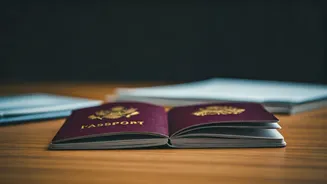
When visa anxiety peaks, it’s helpful to remember that a U.S. passport is one of the most powerful travel documents in the world. According to the Henley Passport Index, American citizens have visa-free or visa-on-arrival access to over 180 countries and territories. That means for the vast majority of the globe, you can simply book a ticket and go.
From the entirety of the European Schengen Area to most of South and Central America, and popular destinations in Asia like Japan, South Korea, and Thailand, no pre-trip visa paperwork is required for tourists. If the thought of a complex application for one country is ruining your travel motivation, consider pivoting. A stress-free trip to Portugal, Costa Rica, or New Zealand might be a better fit than a paperwork-heavy journey to a different destination. The world is vast, and most of it is wide open for you to explore without a consular appointment.
How to Conquer Complicated Applications
If your heart is set on a country with a tough visa process, despair is not the only option. Success comes down to preparation and precision.
1. Start Early: Give yourself at least two to three months before your trip. This buffer accommodates processing delays, requests for additional information, or the need to re-submit your application.
2. Read Every Instruction: Visa applications are a test of your ability to follow directions. One incorrect photo size, missing signature, or unchecked box can get your entire application rejected. Print the instructions and use a highlighter.
3. Consider a Visa Service: For notoriously complex applications or tight timelines, third-party visa services can be worth every penny. These companies are experts in the requirements for specific consulates. They review your paperwork for errors before submission, often have established relationships with consular staff, and can save you from costly mistakes.
4. Keep Digital and Physical Copies: Once you have your visa, take a photo of it and save it to your phone and cloud storage. Keep a physical photocopy in a separate bag from your passport. If your passport is lost or stolen, having proof of your legal entry is invaluable.