



Beyond the Comfort Zone
For decades, vegetarian dining in India, while delicious, often revolved around a familiar cast of characters: creamy paneer, hearty lentils (dal), and a standard rotation of vegetable curries. It was comforting, deeply satisfying, and a cornerstone of the
culture. But in the bustling metropolis of Delhi and its surrounding National Capital Region (NCR), a new narrative is being written. A wave of chefs and restaurateurs is challenging the very definition of vegetarian cooking, pushing it into territory that is ambitious, experimental, and unapologetically bold. This isn't about simply offering meat-free options; it's a movement dedicated to unlocking the full, electrifying potential of the plant kingdom. The result is a dining scene that’s capturing the attention of gourmands worldwide, proving that some of the most exciting food on the planet right now has no meat in it at all.
What 'Bold' Really Means
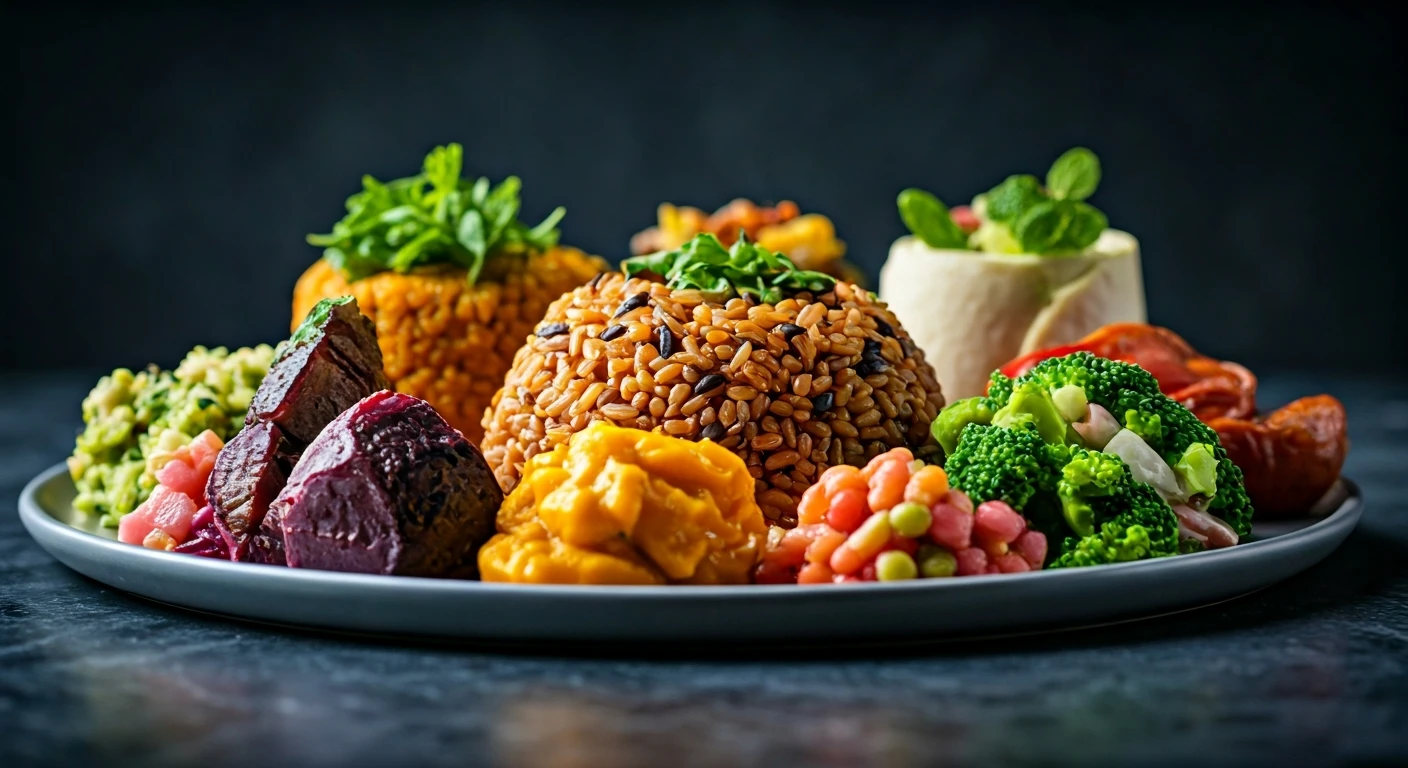
So, what does a “bold” vegetarian menu look like in Delhi today? It’s a sensory-driven experience that borrows techniques from global haute cuisine and applies them to local, often overlooked, Indian produce. Think less about heavy creams and more about texture, acidity, and umami. You might find dishes like smoked sweet potato with a yogurt-based foam, charred broccoli florets drizzled with a black garlic vinaigrette, or a delicate carpaccio of beetroot and radish. Techniques like fermentation, grilling, and sous-vide are being used to coax complex flavors from humble ingredients. Chefs are crafting plant-based charcuterie boards with mushroom pâté and sun-dried tomato terrines. They are reimagining traditional dishes, deconstructing them and putting them back together in surprising new forms. The “boldness” lies in the confidence to treat a turnip or a pumpkin with the same reverence and creativity a French chef might reserve for a filet mignon.
The Philosophy of the Plate
This transformation isn't happening by accident. It's being driven by a generation of chefs who see vegetarianism not as a limitation, but as a creative canvas. Many have trained in top kitchens around the world and are now returning to India, eager to apply their skills to their own heritage. Their philosophy is twofold. First, there's a deep respect for seasonality and locality. Instead of importing exotic vegetables, they are foraging for indigenous greens, rediscovering heirloom grains, and building relationships with local farmers. This farm-to-table ethos ensures that the ingredients are at their peak, bursting with flavor. Second, there's a conscious move away from imitation. These menus aren't filled with mock meats or dishes trying to be something they're not. Instead, the goal is to celebrate the vegetable for what it is, exploring its unique textures and tastes. It’s a vegetable-forward approach that feels both modern and deeply connected to India’s agricultural roots.
A Global Trend with an Indian Soul
While this trend aligns with the global rise of plant-based eating, it would be a mistake to see it as a simple import of a Western fad. India has one of the world's oldest and most sophisticated vegetarian traditions. What's happening in Delhi is not an abandonment of that legacy but a dynamic evolution. It's the fusion of ancient knowledge of spices and vegetables with a contemporary, global culinary perspective. This isn't about serving a vegan burger; it's about perfecting a dish of fire-roasted corn ribs with a dusting of regional spices, or a curry made from fermented bamboo shoots that speaks to a specific corner of the country. For the American diner, this scene offers a thrilling glimpse into the future of food—one that is sustainable, endlessly creative, and rooted in a rich cultural identity.