

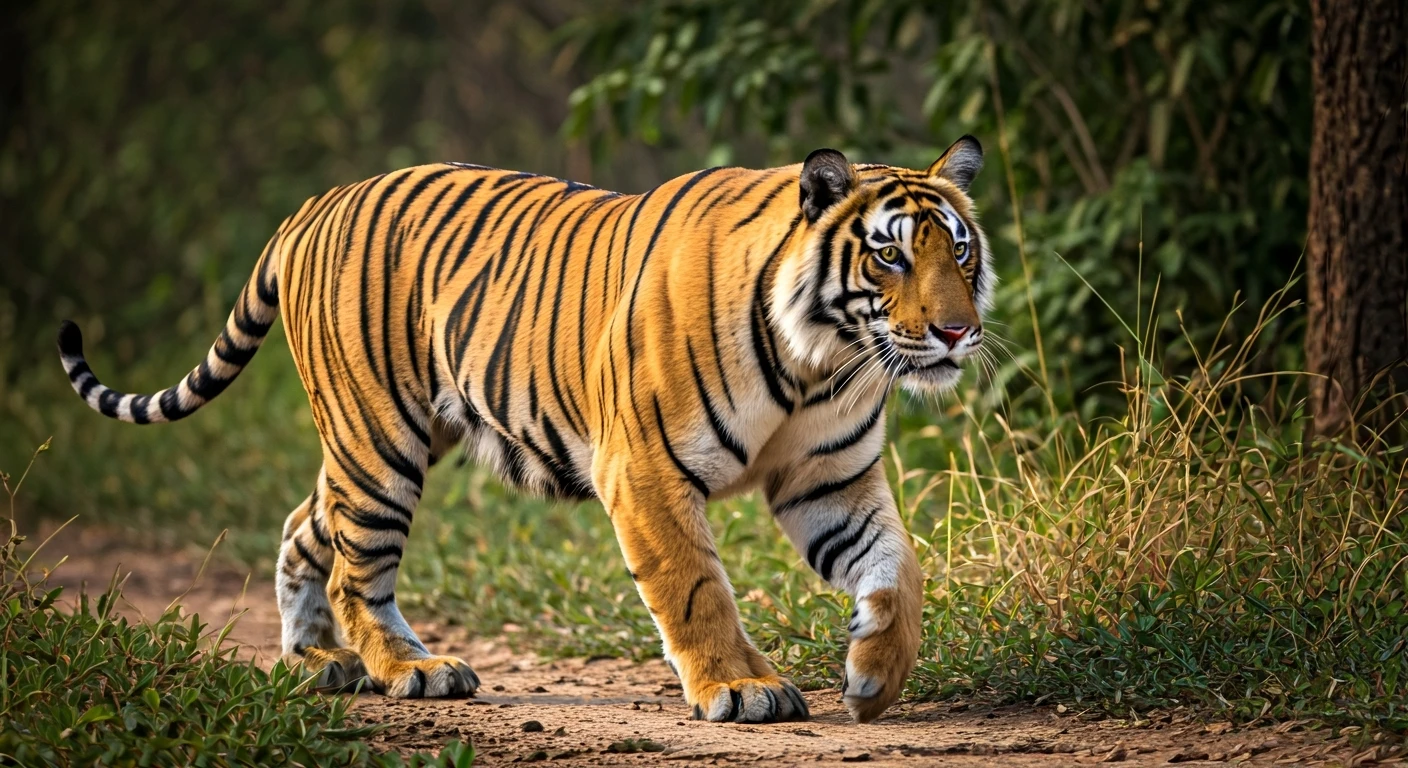
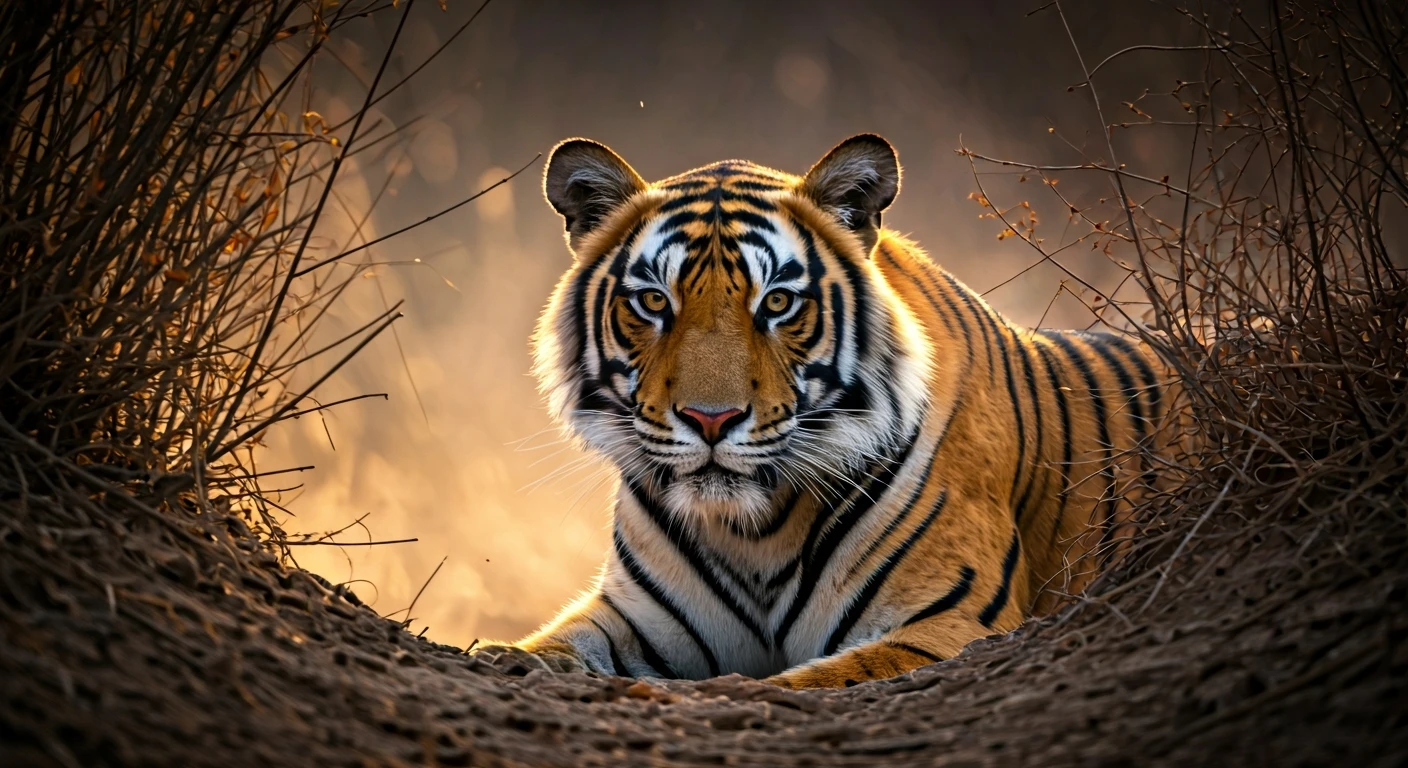
The Thirsty Kingdom
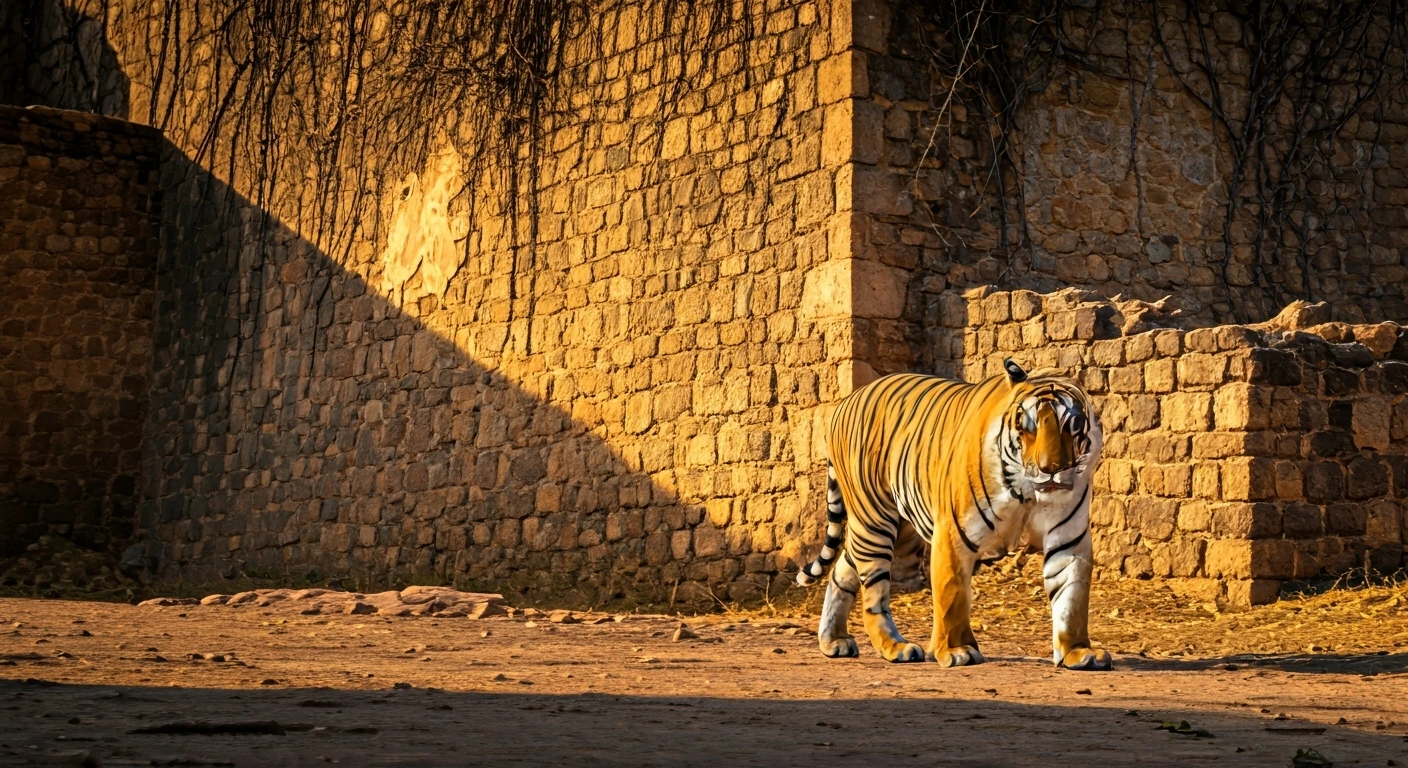
May and early June in central and northern India are not for the faint of heart. Temperatures routinely soar past 100 degrees Fahrenheit, baking the ochre-colored earth until it cracks. The lush greenery that defines the jungle for most of the year has
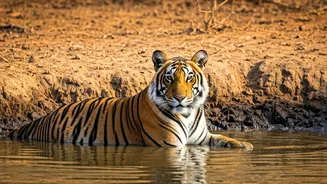
withered, leaving behind a skeletal landscape of thorny bushes and ghost-pale trees. Ponds have shrunk to muddy puddles, and rivers have retreated into thin, sluggish veins of their former selves. For the human visitor, it’s a period of intense discomfort. For the tiger, it’s a time of strategic advantage—not for hunting, but for being seen. This harsh, unforgiving environment creates a 'golden window' for wildlife enthusiasts. With natural camouflage stripped away by the season, and water concentrated in just a few known locations, the jungle’s secrets are laid bare. The animals, from spotted deer and wild boar to the magnificent Bengal tiger, are forced out of the dense forest interior. Their daily lives now revolve around a single, desperate quest: the search for water. This predictable pilgrimage turns the parched landscape into a theater, and the remaining waterholes into its main stage.
A Safari of Certainty
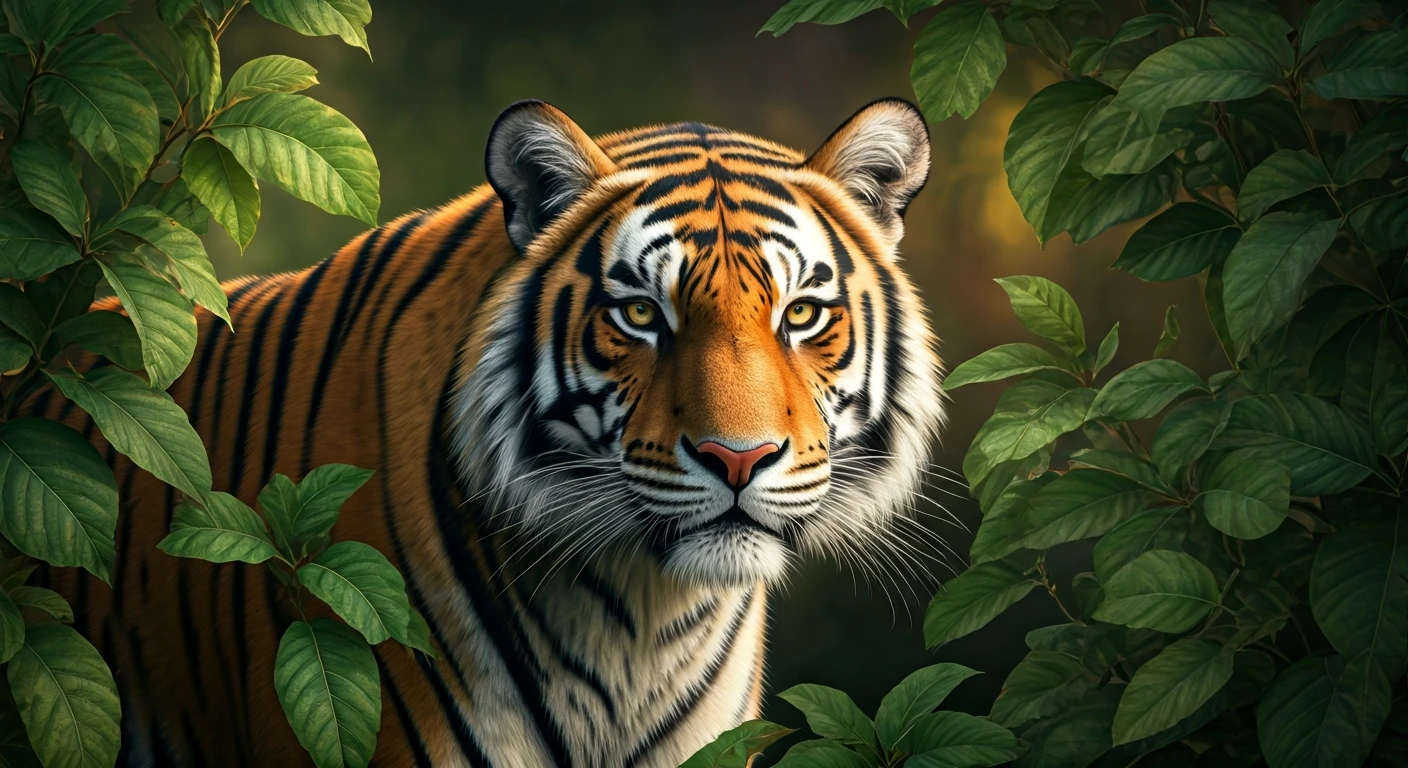
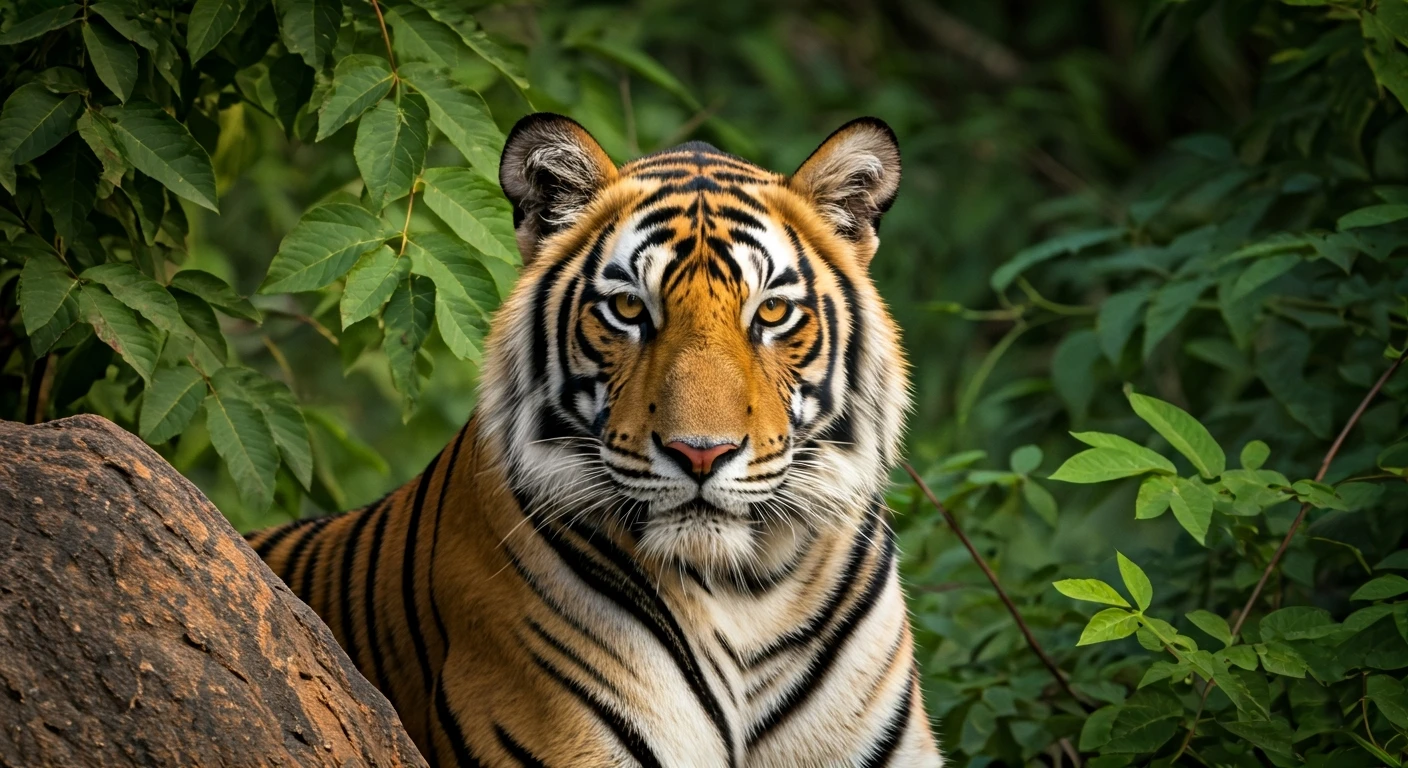
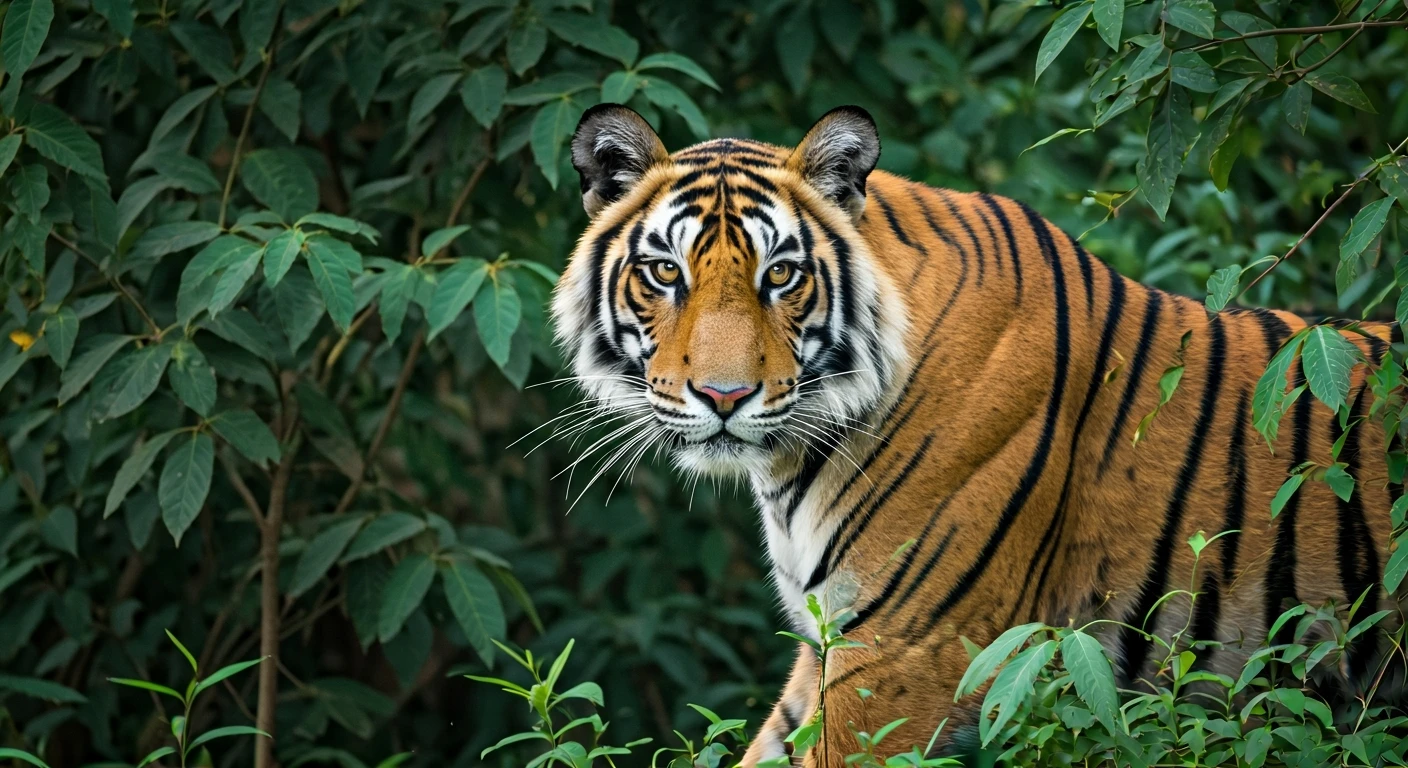
In a typical safari during cooler, greener months, finding a tiger is a game of luck and whispers. Guides follow faint pugmarks, listen for the alarm calls of monkeys or deer, and hope for a fleeting glimpse of orange and black through a thicket of leaves. It is thrilling, but deeply uncertain. Before the monsoon, the dynamic shifts. The search becomes less about chance and more about patience. Safari jeeps don't need to patrol endlessly; instead, they stake out positions near the last remaining water sources. The air stills. Every ear is trained for the rustle of dry leaves. The tension is palpable. Everyone knows the tigers must come. It is here, by the dwindling pools, that the jungle’s entire drama unfolds. A tigress, ribs subtly visible beneath her striped coat, cautiously approaches the water's edge, her cubs trailing behind. A dominant male, scarred from territorial battles, lowers his massive head to drink, his reflection momentarily shattering the still surface. These are the moments photographers and travelers dream of—not brief encounters, but extended, intimate observations of animal behavior dictated by the season's harsh demands.
The Coming Deluge
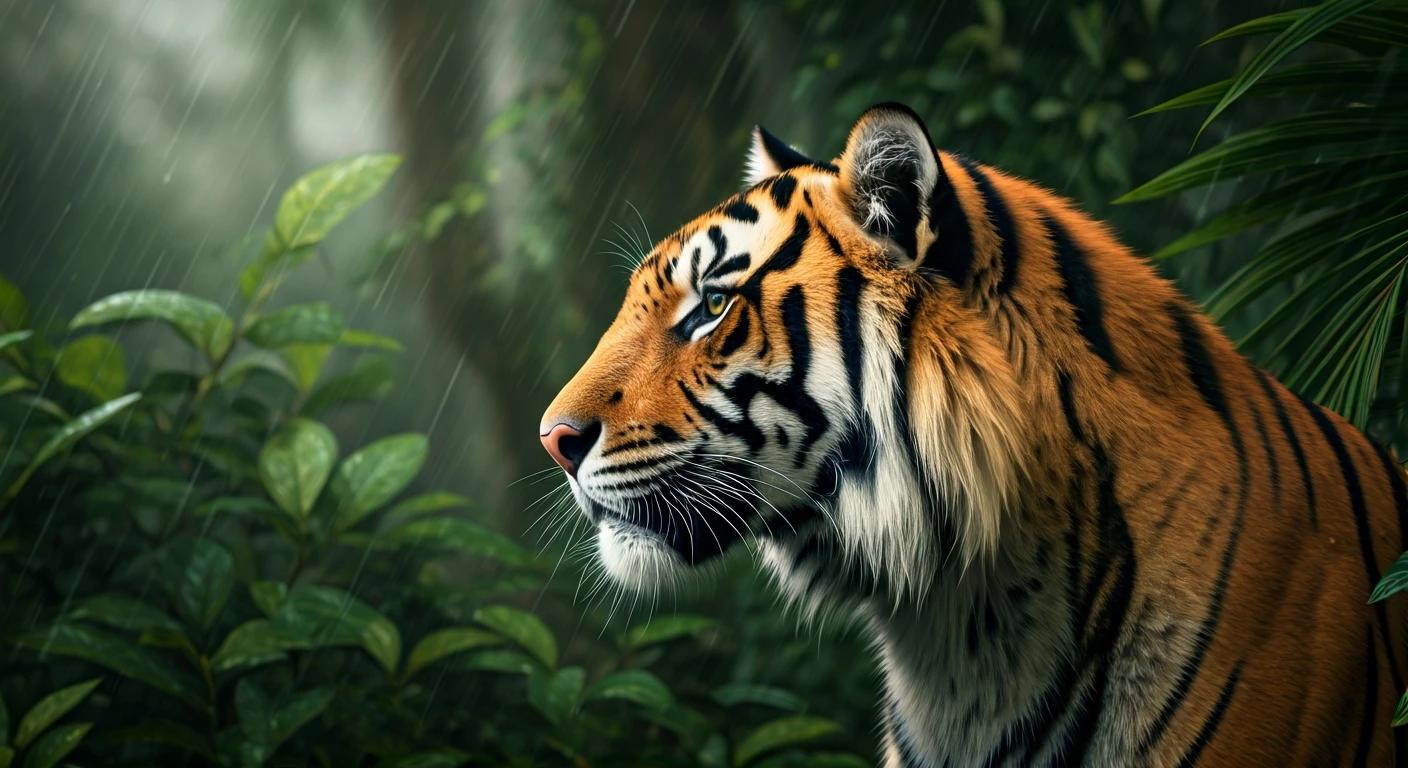
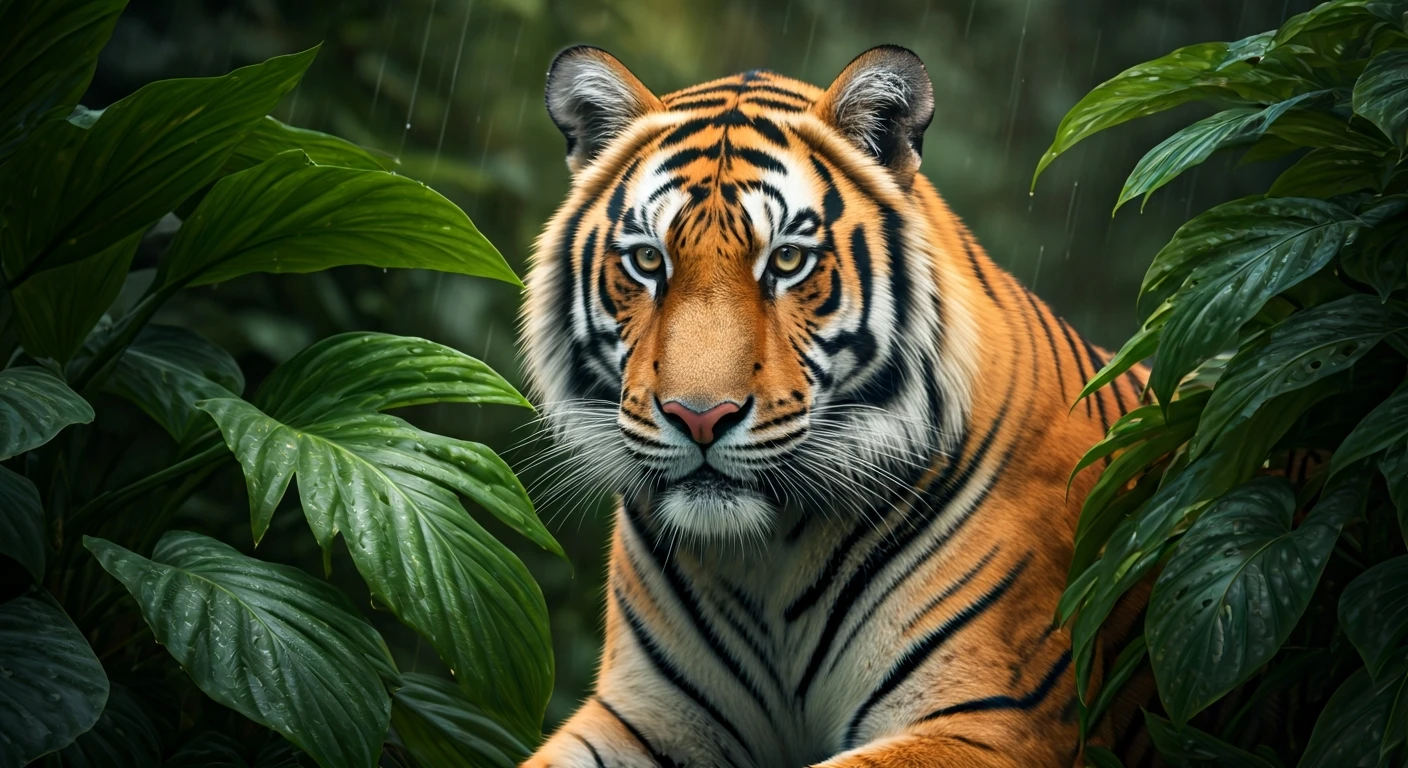
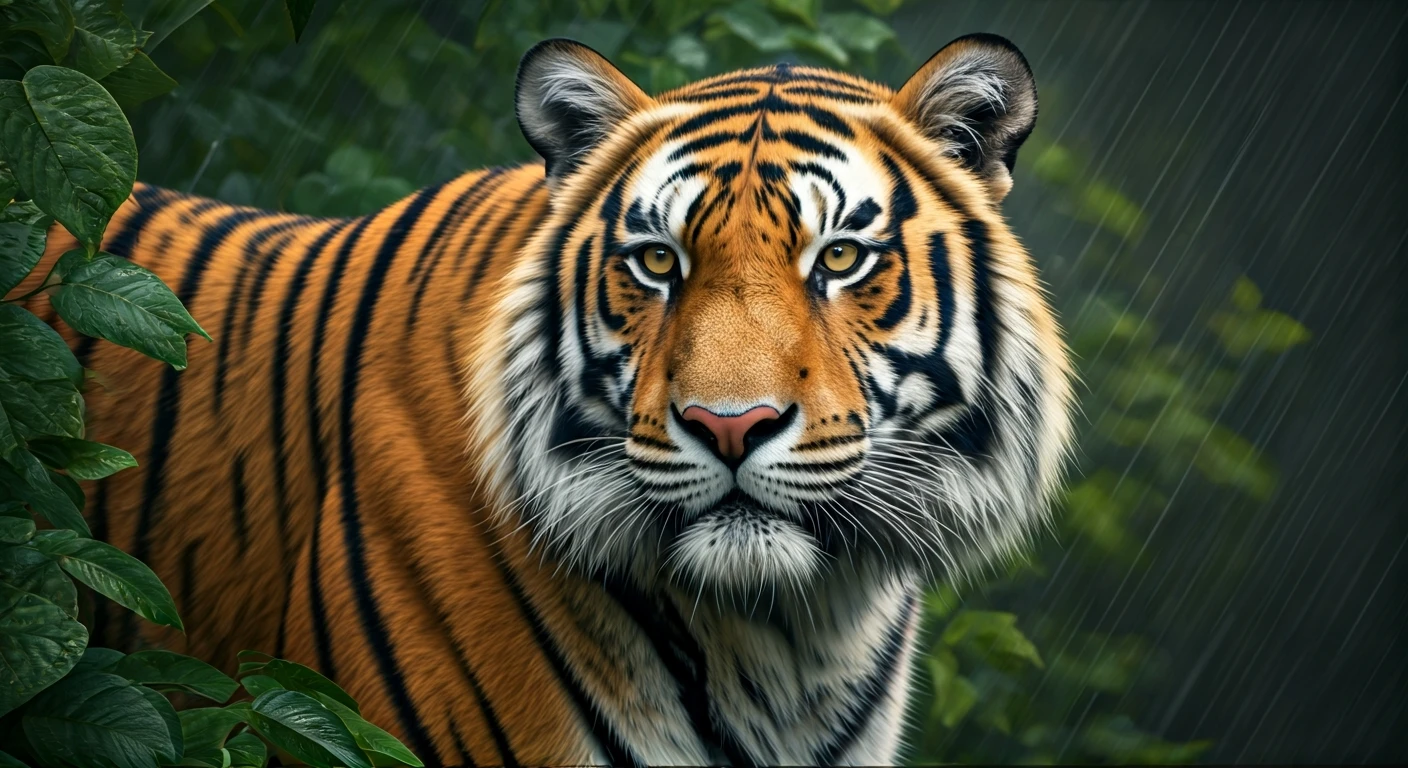
The phrase “last call” isn’t just marketing hyperbole; it’s a meteorological deadline. By mid-to-late June, the atmospheric pressure shifts. Dark, heavy clouds roll in from the south, pregnant with the promise of the monsoon. The first fat drops of rain hit the dusty ground with a sizzle, releasing the rich, loamy scent of petrichor. What begins as a sprinkle quickly becomes a deluge. For the ecosystem, this is a moment of profound rebirth. The cracked earth drinks greedily, and within days, a vibrant green fuzz carpets the forest floor. The trees explode with new foliage, and the waterholes overflow, replenishing the landscape. But for the tiger-spotter, the curtain has fallen. The dense vegetation provides perfect cover for the elusive cats. With water everywhere, they no longer need to visit predictable locations. More importantly, many of India’s premier national parks, like Ranthambore, Kanha, and Bandhavgarh, officially close large portions of their territory to visitors during the monsoon months. The muddy, impassable tracks and the need to give the wildlife a reprieve from human activity signal the end of the season.