





The Undisputed King of Fruits
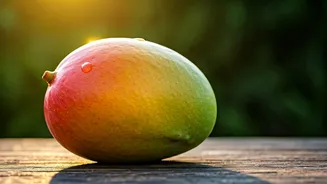
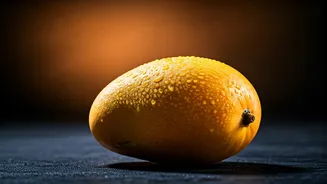
Before we get to the secrets, let's be clear: the fruit in question is the mango. In India, it’s not just a fruit; it’s an emotion. Called the “King of Fruits,” the mango signifies the arrival of summer, triggers waves of nostalgia, and inspires a near-religious
devotion. While Americans might enjoy mangoes in smoothies or salsas, in India, the fruit is the main event. Families have their favorite varieties, debates rage over the best way to eat them (sliced, squeezed, or bitten into like an apple), and the annual season is greeted with a level of excitement usually reserved for major holidays. It's woven into the very fabric of daily life, from poetry and folklore to wedding rituals.
A 4,000-Year-Old History
The mango you buy at the grocery store has an ancient lineage. Fossil evidence suggests the mango family, Mangifera, first appeared in Northeast India, Bangladesh, and Myanmar tens of millions of years ago. The fruit we know and love, Mangifera indica, has been cultivated for at least 4,000 years. Its significance is deeply embedded in South Asian religions. The Buddha was famously gifted a grove of mango trees under which he could rest and meditate. In Hinduism, mango leaves are considered auspicious and are used in religious ceremonies and strung across doorways during festivals to signify blessings and good fortune. This isn't just a food; it's a sacred symbol of life and prosperity.
An Obsession of Emperors
The mango’s status was cemented by royalty. The Mughal emperors who ruled India from the 16th to the 19th century were famously obsessed with the fruit. Emperor Akbar, who reigned in the 16th century, was so enamored that he planted an orchard of 100,000 mango trees in a region of eastern India. His successors, Jahangir and Shah Jahan (the builder of the Taj Mahal), were equally fanatical, writing extensively about their favorite varieties in their memoirs. They patronized grafting techniques to create new, superior cultivars, turning the fruit into a symbol of imperial power, wealth, and sophisticated taste. Owning exclusive mango groves was the ultimate status symbol.
A Thousand Different Personalities
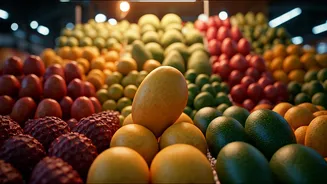
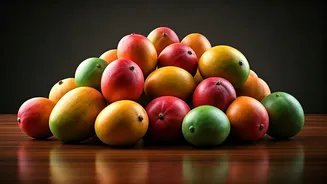
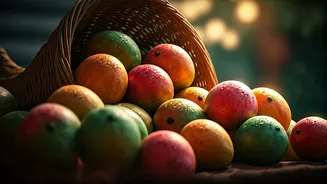
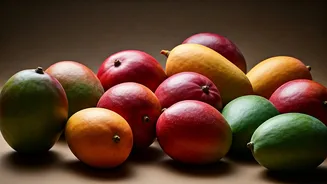
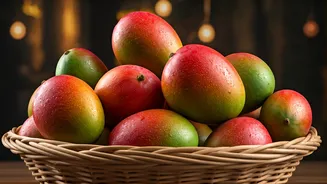
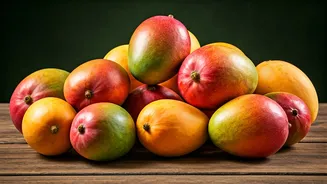
If you live in the U.S., you've probably only encountered a few types of mangoes, most likely the Tommy Atkins, Kent, or Ataulfo (Honey mango). These are hardy varieties bred for shipping, not necessarily for flavor. But in India, there are over 1,500 distinct cultivars, each with a unique name, flavor profile, texture, and a fiercely loyal following. There’s the Alphonso from Maharashtra, prized for its creamy texture and saffron-hued flesh; the Kesar from Gujarat, known for its intense, sweet aroma; and the Dasheri from Uttar Pradesh, a fiberless and exceptionally sweet delight. Each has its own short season, and connoisseurs await their favorite's arrival with bated breath.
A Modern Tool of Diplomacy
The mango’s power extends beyond culture and into geopolitics. For decades, India has practiced what is known as “mango diplomacy.” This soft-power tactic involves sending curated boxes of the finest seasonal mangoes—often the prized Alphonso—to heads of state and influential figures around the world, from American presidents to Chinese leaders. It’s a gesture of goodwill that’s far more personal than a formal diplomatic cable. The act of sharing this national treasure serves as a sweet reminder of India's rich heritage and agricultural bounty, building relationships one delicious, fragrant fruit at a time.