






An Outlet for Pent-Up Energy
Separation anxiety often stems from a combination of boredom and excess energy. A dog cooped up in an apartment all day has no natural way to burn off steam. This frustration can manifest as destructive behavior, incessant barking, or other signs of distress.
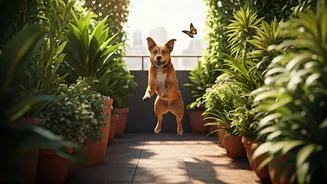
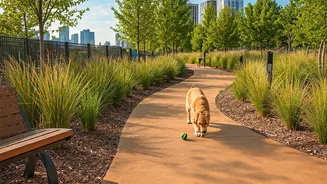
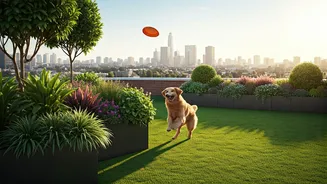
A rooftop green zone acts as a vital pressure-release valve. It provides a safe, contained space for a game of fetch, a quick sprint, or simply vigorous play. Even a short, intense burst of activity before you leave for the day or immediately upon your return can dramatically lower a pet’s baseline stress level. A tired dog is a calm dog, and having an accessible outdoor area for physical exertion makes achieving that state of calm far easier than relying solely on leash walks along crowded city sidewalks.
Essential Sensory Enrichment
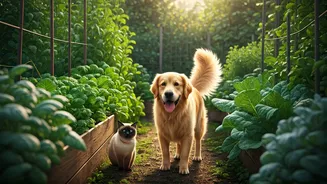
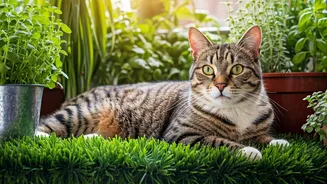
An apartment, no matter how loving, can be a sensory desert for an animal. The same four walls, the same smells, the same predictable sounds. This lack of stimulation leads to boredom, which is a major contributor to anxiety. A rooftop green space is a sensory buffet. It introduces a world of new and interesting smells, from damp earth and different plant species to the scents of other animals carried on the breeze. The textures of real grass, soil, and wood chips under their paws are fundamentally different from tile or hardwood floors. These novel inputs engage a pet’s brain, encouraging curiosity and exploration. This mental workout is just as important as physical exercise in preventing the anxiety that builds when a pet feels under-stimulated and lonely.
Breaking the Cycle of Confinement
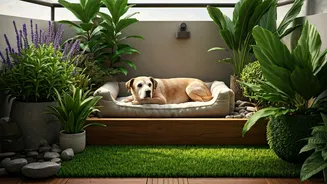
For many pets, the apartment itself becomes a trigger for anxiety. They associate the space with the stress of being left alone. A rooftop area provides a crucial change of scenery and helps break this negative association. It’s a neutral third space that isn’t tied to the trauma of departure. Taking your pet to the rooftop before you leave can reframe the pre-departure routine from one of abandonment to one of positive stimulation. This simple environmental shift can help de-escalate their panic, teaching them that solitude doesn't always follow a period of being trapped indoors. It offers a psychological reset, providing a clear distinction between the confined indoor space and a liberating outdoor one, which can build resilience and confidence.
Building Confidence Through Socialization
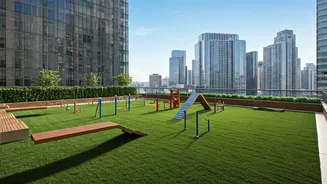
While not the direct cause of separation anxiety, a lack of confidence can make it worse. An insecure dog is more likely to panic when its primary source of security—its owner—disappears. Many rooftop green zones in residential buildings become organic social hubs for the community’s pets. These controlled interactions allow dogs to engage with others in a safe environment, away from the chaos and unpredictability of a public dog park. Learning to navigate these social situations helps build a dog's confidence and independence. A pet that feels more secure in its ability to handle different environments and encounters is less likely to feel completely helpless and terrified when left on its own. It’s another tool that helps create a more well-rounded, emotionally stable companion who is better equipped to cope with being alone.