






More Than Just a Rainy Day
For generations, a little rain on vacation was a nuisance, an excuse to visit a museum or see a movie. Today, the nature of that rain has changed. Climate data from federal agencies like the National Oceanic and Atmospheric Administration (NOAA) confirms
that extreme precipitation events—deluges that once qualified as “100-year storms”—are becoming more frequent and intense across large swaths of the United States. From the atmospheric rivers inundating California to the stalled tropical systems flooding the Gulf and Atlantic coasts, the sheer volume of water falling from the sky in short periods is overwhelming decades-old infrastructure. This isn't about packing an umbrella anymore; it's about whether the road to your destination will exist when you get there.
When the Roads Disappear
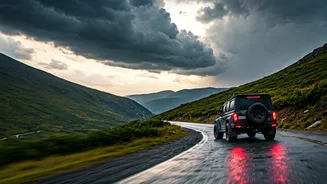
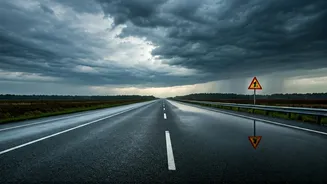
The critical link between extreme rainfall and holiday planning is America’s roadways. A single, powerful storm can trigger a cascade of travel nightmares that go far beyond slick conditions. In mountainous regions like the Appalachians or the Sierra Nevada, saturated soil gives way to mudslides that can close major highways for days or weeks. In coastal areas and river valleys, flash floods can submerge interstates, turning critical arteries into impassable canals. We saw this with devastating effect when floods in 2021 washed out parts of I-70 in Colorado's Glenwood Canyon, a key east-west route. For road-trippers, who make up a huge percentage of domestic travel, this introduces a profound level of uncertainty. A rental cabin that’s a six-hour drive away is worthless if a key bridge on the route is compromised or a mountain pass is indefinitely closed due to landslide risk. This transforms the weather forecast from a minor detail into a primary logistical hurdle.
The New Vacation Calculus
In response, American travelers are becoming amateur risk assessors. The calculus for a getaway has fundamentally shifted. First, trip-planning horizons are shrinking. Many families are waiting until the last minute to book, keeping a close eye on long-range forecasts before committing money to non-refundable reservations. Second, there’s a new emphasis on destination flexibility. Instead of locking in a single location, savvy travelers are creating 'Plan A' and 'Plan B' options based on regional weather patterns. If the Carolina coast is threatened by a hurricane, a trip to the Tennessee mountains might be the backup. Third, travel insurance, once seen as an upsell, is now viewed by many as essential. Policies that include cancellations for weather-related road closures and evacuations are in high demand. Travel agents report that clients are no longer just asking about hotel amenities; they're asking about elevation, proximity to floodplains, and alternate exit routes.
Rethinking the Holiday Calendar
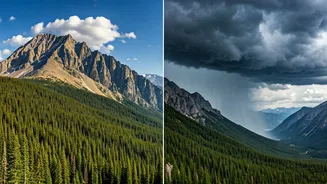
This trend isn’t just changing *where* people go, but *when*. The traditional summer vacation and holiday travel seasons are now fraught with new peril. A summer road trip through the Southwest now contends with a more intense and unpredictable monsoon season, bringing flash flood dangers. Fall trips to the Gulf Coast or Florida are a gamble against a hurricane season that seems to be producing stronger, wetter storms. Even the idyllic California coast trip must now account for the possibility of winter atmospheric rivers causing road-closing mudslides in burn-scar areas. As a result, travelers are beginning to adapt, considering 'shoulder seasons' more seriously or choosing destinations with more resilient infrastructure and less exposure to extreme weather. The reliable rhythm of the American holiday calendar is being rewritten by the volatility of our climate.