




1. The Humble Cabbage
Often overlooked, cabbage is a nutritional powerhouse and one of the most affordable vegetables you can buy. A single cup of shredded cabbage provides over 2 grams of fiber, and its low cost means you can incorporate it generously into your meals. Its
versatility is its greatest strength. You can shred it raw for a crunchy slaw (mix with a light vinaigrette instead of heavy mayo), roast it in wedges until tender and sweet, stir-fry it with other veggies, or add it to soups and stews where it adds bulk and soaks up flavor. Green, red, or savoy—they all work wonders for your fiber goals and your wallet.
2. The Mighty Potato (With Skin!)
Potatoes get a bad rap, but they are a fantastic source of nutrients, including fiber—as long as you eat the skin. A medium-sized baked potato with its skin on can deliver nearly 4 grams of fiber. The key is to skip the deep fryer. Instead, try roasting potato wedges with a sprinkle of paprika and garlic powder, baking them whole and topping with Greek yogurt and chives, or dicing and boiling them for a healthier potato salad. Sweet potatoes are another excellent, fiber-rich alternative, offering around 4 grams of fiber in a medium-sized tuber, along with a healthy dose of Vitamin A.
3. Carrots, The Everyday Staple
Available and affordable year-round, carrots are a perfect entry point for boosting your fiber intake. A cup of chopped carrots contains about 3.5 grams of fiber. They're the ultimate convenience food: eat them raw as a snack, shred them into salads for color and crunch, or add them to virtually any soup, sauce, or roast. Roasting carrots brings out their natural sweetness, making them a delicious and simple side dish. Because they last for weeks in the refrigerator, they're a reliable staple to keep on hand for a quick fiber fix without worrying about food waste.
4. Broccoli, The Green Giant
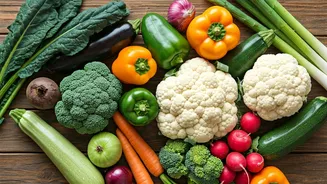
There’s a reason broccoli is a health-food icon. One cup of chopped broccoli florets packs around 2.5 grams of fiber, along with a host of vitamins. While it can sometimes be pricier than cabbage or carrots, frozen broccoli is an incredibly cost-effective alternative that retains nearly all of its nutritional value. Don't throw away the stalks, either; they are perfectly edible and full of fiber. Simply peel the tough outer layer and chop them up. Steaming, roasting with a little olive oil and lemon juice, or tossing it into a pasta dish are all easy ways to get this green giant onto your plate.
5. Lentils and Beans, The Unsung Heroes
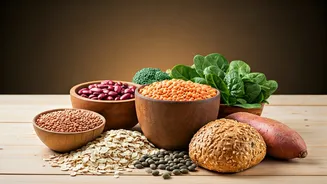
While technically legumes, beans and lentils are sold in the same aisle and function as vegetables in many dishes. When it comes to low-cost fiber, they are in a league of their own. A single cup of cooked lentils provides a staggering 15 grams of fiber, while a cup of black beans offers the same. Buying them dried is the most economical option by far. A one-pound bag of lentils can cost just a few dollars and provide the foundation for numerous meals. Use them to make hearty soups, add them to salads for a protein and fiber boost, or mash them into veggie burgers. They are the ultimate tool for serious fiber maxxing on a budget.