



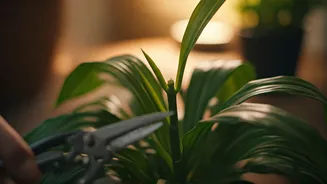
The Ultimate Peace-of-Mind Plant
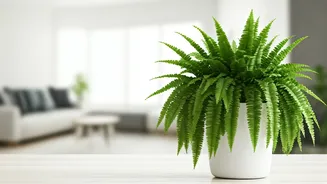
The number one reason savvy pet parents flock to the Boston Fern (Nephrolepis exaltata) is its non-toxic status. According to the American Society for the Prevention of Cruelty to Animals (ASPCA), these ferns are safe for cats, dogs, and horses. This
means if your curious kitten decides to bat at a frond or your puppy takes an experimental nibble, you can breathe a sigh of relief. Unlike toxic popular houseplants such as lilies, sago palms, or dieffenbachia, a Boston Fern poses no danger of poisoning. This simple fact removes a huge layer of stress from plant ownership, allowing you to enjoy the greenery without constantly supervising your four-legged family members. For anyone who has ever had to frantically Google a plant's toxicity after seeing their pet chew on a leaf, the Boston Fern offers unparalleled peace of mind.
More Than Just Safe: A Natural Air Purifier
Beyond its safety, the Boston Fern is an aesthetic powerhouse. Its delicate, feathery fronds arch gracefully, creating a soft, lush texture that can make any room feel more like a tranquil retreat. They are masters of filling vertical space when placed in hanging baskets or on high shelves, drawing the eye upward and adding a touch of drama without overwhelming a room's decor. But its benefits aren't just visual. The Boston Fern is also well-known for its air-purifying qualities. While you'd need a veritable jungle to completely scrub your home's air, these plants are particularly effective at removing common indoor pollutants like formaldehyde and xylene, which can be off-gassed from furniture, paints, and cleaning products. It works silently in the background, helping to create a healthier, fresher environment for you and your pets.
Your Fern's Ideal Living Conditions
A thriving Boston Fern is a happy fern, and keeping one happy is all about mimicking its native subtropical environment. The key ingredients are indirect light, consistent moisture, and, most importantly, high humidity. Direct, harsh sunlight will scorch its delicate fronds, so place it near a window that gets bright but filtered light—an east-facing window is often perfect. The soil should be kept consistently moist but not waterlogged. A good rule of thumb is to water it thoroughly when the top inch of soil feels dry to the touch. The biggest challenge for many indoor gardeners is humidity. Boston Ferns love a damp atmosphere, and dry indoor air (especially in winter) can cause their fronds to turn brown and crispy. To combat this, mist your fern every day or two, place it on a pebble tray filled with water, or run a humidifier nearby. They also make fantastic bathroom plants, where they can soak up the steam from your daily shower.
Styling Your Pet-Friendly Oasis
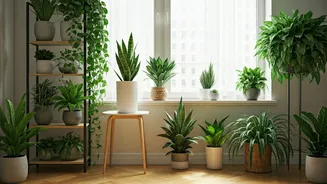
Integrating a Boston Fern into your home decor is both fun and functional. Hanging baskets are a classic and practical choice, especially for pet owners. Suspending the fern from the ceiling not only creates a stunning visual cascade of green but also keeps it well out of the reach of even the most determined pets, protecting the plant from being toppled or used as a plaything. Placing a fern on a tall plant stand or pedestal achieves a similar effect, giving it prominence while keeping it safe. Because of their love for humidity, they are a natural fit for kitchens and bathrooms, where they can add a spa-like feel. Grouping a Boston Fern with other pet-safe plants, like a Spider Plant or a Parlor Palm, can create a beautiful, layered indoor garden that is completely worry-free.
Common Mistakes to Avoid
While relatively straightforward, Boston Ferns do have a reputation for being a bit finicky if their needs aren't met. The most common mistake is letting the air get too dry, which leads to the dreaded crispy, brown tips and frond drop. If you see this, increase the humidity immediately. The second common pitfall is improper watering. Letting the soil dry out completely can cause the plant to wilt dramatically, while overwatering can lead to root rot. Find the balance by checking the soil regularly instead of watering on a strict schedule. Finally, don't place your fern in a drafty spot near a vent, door, or open window. They dislike sudden temperature changes and prefer a stable, warm, and humid environment to truly flourish.