

The Comfort Food Renaissance
There’s a quiet revolution happening in American kitchens, and it looks a lot like your grandmother’s Sunday dinner. After years of chasing hyper-trendy, restaurant-level dishes—from deconstructed everything to foams, gels, and sous-vide gadgetry—home
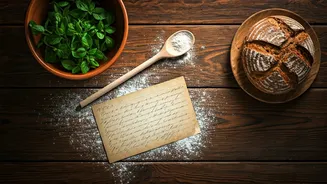
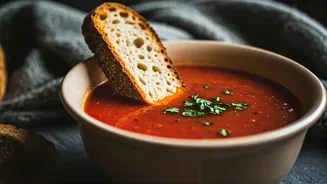
cooks are collectively exhaling and returning to the classics. We’re not talking about ironic, hipster revivals. This is a sincere, widespread embrace of dishes that deliver on their promise: pot roast that falls apart with a fork, chocolate chip cookies with the perfect chew, and tomato soup that tastes like a hug. These are the recipes that form the bedrock of American home cooking, the ones passed down on stained index cards or memorized through repetition. But their resurgence isn't just about nostalgia; it’s about a renewed appreciation for things that simply work.
It’s Not Just the Recipe, It’s the 'Why'
What makes this moment different is the format. We’re not just being given a list of ingredients and a few terse instructions. We’re in the age of the “recipe explainer.” Food creators on platforms from YouTube to TikTok aren’t just showing you *what* to do; they’re patiently explaining *why* you do it. Why do you need to let your steak rest? It’s about letting the muscle fibers relax and reabsorb their juices. Why use cold butter for a pie crust? Because as the butter melts in the oven, it creates steam, which in turn creates those flaky layers. This shift from simple instruction to genuine education is empowering. It transforms cooking from a rote act of following orders into a creative process rooted in understanding. It’s the difference between knowing a single route and being given a map of the entire city.
An Antidote to Culinary Chaos
So why is this happening now? In a word: comfort. In a world that feels increasingly unpredictable, the kitchen has become a sanctuary of control. Unlike a complex, multi-day baking project that could go wrong at a dozen different steps, a classic beef stew is forgiving. It’s reliable. Its success is based on time and technique, not fickle trends or hard-to-find ingredients. This movement is also a subtle rejection of the chef-as-unattainable-genius trope. The new guard of food creators feels more like a knowledgeable friend than an intimidating culinary god. They film in their own home kitchens, make occasional mistakes, and speak in plain English. They demystify the process, assuring millions of viewers that, yes, you can make a beautiful loaf of bread or a perfect batch of mashed potatoes. The goal is no longer aspiration; it’s achievement.
The New Era of Kitchen Confidence
This trend signals a fundamental change in our relationship with food media. For decades, the model was top-down: magazines and TV shows set the agenda. Today, it’s a conversation. Viewers ask questions in the comments, and creators respond with videos breaking down specific techniques. This interactive loop fosters a community built on shared learning rather than passive consumption. It’s also democratizing culinary skill. You no longer need to afford expensive cooking classes to learn the fundamentals of French sauce-making or Italian pasta. You just need a phone and a willingness to learn why searing your meat before braising builds a deeper, more complex flavor. This isn’t about dumbing down cooking; it’s about smartening up the cook.