

1. Reclaimed Materials Bring Soul and Story
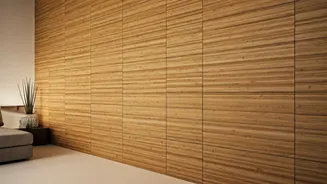
One of the most visually compelling shifts in sustainable design is the embrace of reclaimed materials. We're not just talking about pallet furniture. Think old-growth wood salvaged from dismantled barns providing the rich patina for a stunning feature
wall, or timeworn factory floorboards getting a second life as character-filled kitchen countertops. These materials bring a sense of history and soul that brand-new items simply can't replicate. By choosing reclaimed wood, stone, or metal, you’re not only diverting waste from landfills but also infusing your space with a unique narrative. Each knot, grain, and imperfection tells a story, turning surfaces from mere backdrops into conversation pieces.
2. The Curated Charm of Vintage and Secondhand
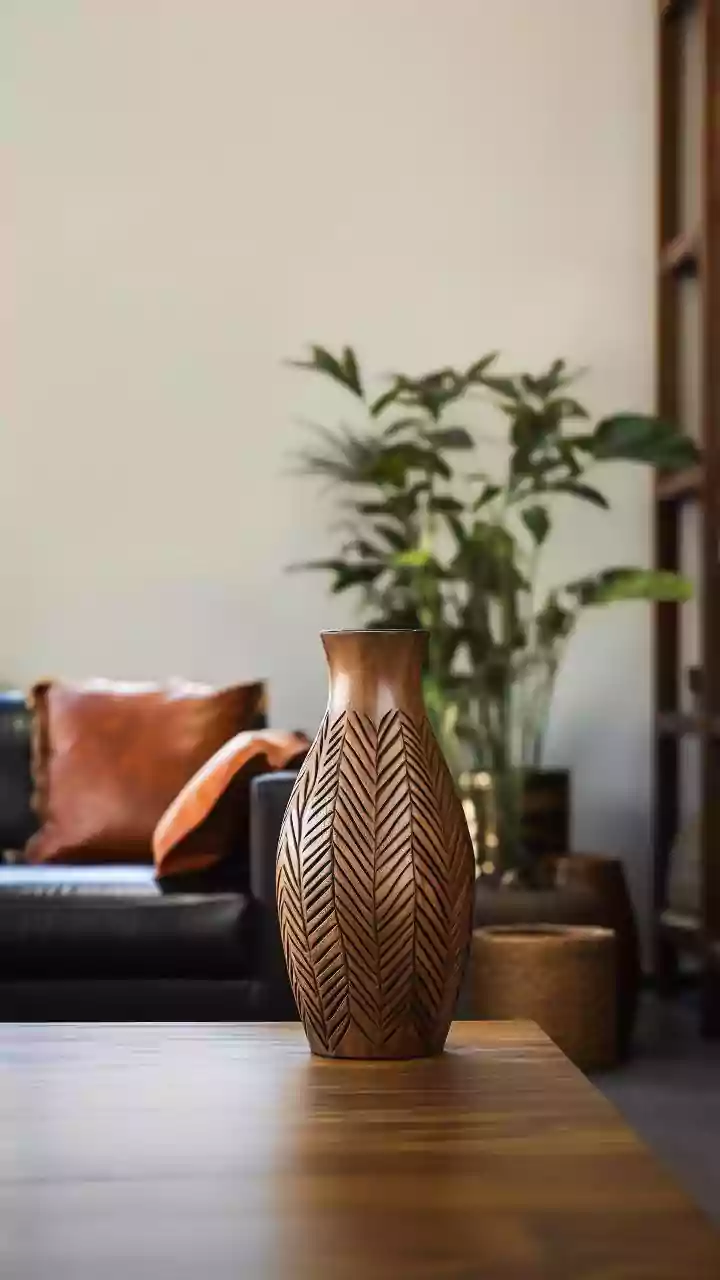
The fastest way to a sustainable and stylish home is to fall in love with things that already exist. The modern approach to vintage isn't about recreating a stuffy period room; it's about a curated mix. It’s placing a beautifully crafted mid-century modern credenza in a contemporary living room or reupholstering a classic armchair in a bold, modern fabric. Shopping secondhand, whether at a high-end antique store or a local thrift shop, is a treasure hunt for quality. Older furniture was often built to last, with solid wood construction and dovetail joints that put modern flat-pack furniture to shame. This practice champions individuality over mass-produced uniformity, ensuring your home looks like you, not a catalog page.
3. High-Tech Meets High-Style in New Materials
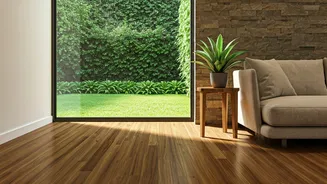
Sustainability isn't just about looking to the past; it's also about innovation. The material science behind eco-friendly products has exploded with stylish possibilities. Today’s market features durable, beautiful countertops made from recycled glass chips suspended in resin, luxurious rugs woven from recycled plastic bottles that are surprisingly soft, and sleek flooring made from renewable resources like cork and bamboo. These materials prove that 'recycled' doesn't mean 'compromised.' They often offer superior durability and unique aesthetics, allowing for sleek, minimalist, and modern designs that are as environmentally conscious as they are chic.
4. The Wellness Connection: Non-Toxic Living
A truly sustainable home supports the health of its inhabitants as well as the planet. This has led to a huge demand for non-toxic materials. The biggest culprits in poor indoor air quality are often paints, finishes, and adhesives that release volatile organic compounds (VOCs). The market has responded with a vast array of low-VOC and zero-VOC paints in every imaginable color, as well as natural finishes like waxes and oils for furniture and floors. This focus extends to textiles, with a growing availability of organic cotton, linen, and wool, which are free from the harsh chemicals used in conventional textile processing. It’s a holistic approach where a healthy home environment is the ultimate luxury.
5. Biophilic Design: An Instinctive Love for Nature
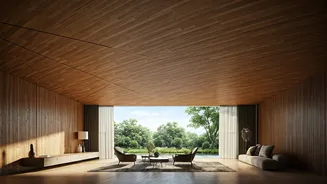
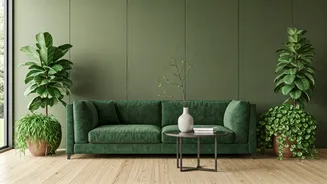
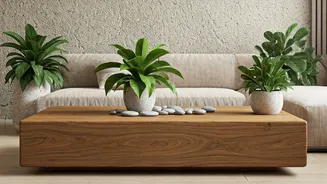
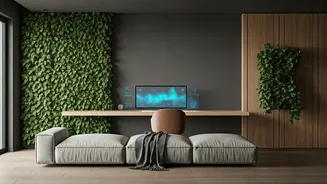
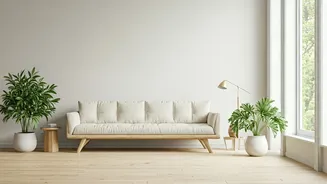
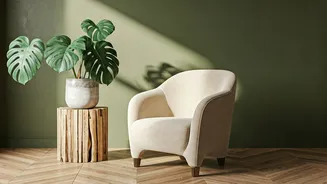
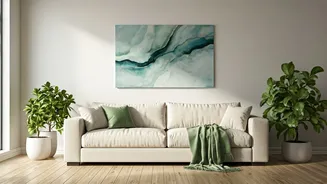
Biophilia, the idea that humans have an innate tendency to seek connections with nature, has become a cornerstone of modern sustainable design. This goes far beyond placing a few potted plants on a windowsill. It’s about consciously designing spaces that connect us to the natural world. This can mean maximizing natural light with large windows and thoughtful window treatments, using natural materials and patterns that mimic the outdoors, incorporating interior gardens or 'living walls,' and ensuring a clear view of green space. The result is a home that not only looks serene and beautiful but also has been shown to reduce stress, improve cognitive function, and enhance overall well-being.