






The City of Lakes, Reborn
Udaipur’s identity is inextricably linked to its magnificent man-made lakes, particularly the iconic Lake Pichola. During the long, dry months, water levels can recede, exposing the lakebeds and leaving the city feeling parched. The monsoon is a season
of resurrection. As the rains begin, typically from July to September, a collective sigh of relief sweeps through the region. The lakes swell, filling to their historic brims. The ghats—the stone steps leading down to the water—which were once high and dry, are now lapped by gentle waves. The Lake Palace, a floating marvel of white marble, seems to truly float again, perfectly reflected in the replenished waters. A boat ride, a pleasant diversion in the dry season, becomes an essential, immersive experience during the monsoon, offering views of the city’s palaces from a perspective that feels both majestic and renewed.
A Palette of Green and Gray
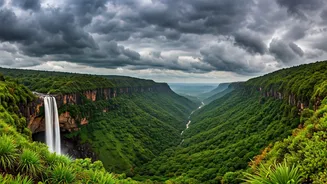
The most dramatic visual change happens beyond the city's stone walls. The Aravalli Hills, which form a rugged, sun-baked backdrop for most of the year, undergo a startling metamorphosis. The monsoon cloaks them in a vibrant, velvety green. This lush new landscape provides a stunning contrast to the ornate architecture of the palaces and havelis. The sky, too, puts on a show. Instead of a relentless blue, it becomes a canvas of dramatic, rolling gray clouds. This moody lighting makes the white marble of the City Palace and the Jag Mandir gleam with a soft, ethereal light. The rain washes away months of dust, revealing the intricate details of carvings and making the city's colors—the vibrant saris, the painted doorways—pop against the muted, misty backdrop. It’s a photographer’s dream, where every frame is filled with texture, mood, and atmosphere.
A More Intimate Romance
While the peak tourist season brings crowds, the monsoon offers a quieter, more intimate version of Udaipur. The pace of life slows. The sound of rain drumming on ancient rooftops becomes the city’s soundtrack. Locals and the fewer, more intrepid travelers gather in cozy lakeside cafes, sipping hot masala chai while watching storms roll in across the water. The air is thick with the scent of petrichor—that uniquely earthy fragrance of rain hitting dry soil. Exploring the winding alleyways of the old city takes on a new charm; you might duck into a tiny shop to wait out a downpour, discovering hidden artisan crafts or striking up a conversation you otherwise would have missed. This slower, more reflective atmosphere allows for a deeper connection with the city, transforming a sightseeing trip into a genuinely romantic and soulful experience.
Sights Through a Rainy Haze
Many of Udaipur’s key attractions are even more compelling during the monsoon. The Sajjangarh Fort, aptly named the Monsoon Palace, offers the most definitive experience. Perched high on a hill, it was originally built to watch the monsoon clouds. During the rains, you can stand there and see curtains of water sweep across the landscape below, with the city and its lakes appearing and disappearing through the mist. The gardens, like Saheliyon-ki-Bari (Garden of the Maidens), are at their most lush, with fountains flowing at full force. Even a simple walk through the City Palace complex becomes more magical as you gaze out from ornate windows at the rain-streaked views of Lake Pichola, feeling like royalty of a bygone era watching the seasons turn.