





The Myth of Crowded Luxury
Somewhere along the way, the travel industry sold us a specific version of luxury. It involves a checklist of tangible assets: an Olympic-sized pool, seven different restaurants, a world-class spa, and a golf course designed by a legend. Hotels and resorts
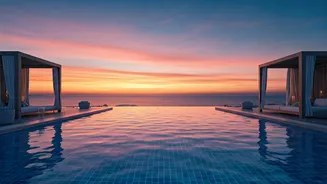
pile on these amenities, raising their rates and slapping the word “premium” on the brochure. But what they often neglect to mention is the denominator in the luxury equation: the number of other people sharing those assets with you. The most stunning pool in the world loses its charm when it’s a chaotic scene of splashing children, floating cocktail glasses, and a perimeter of towels “reserving” chairs since sunrise. A Michelin-starred chef’s outpost feels less special when you’re seated elbow-to-elbow with hundreds of other guests. This is the paradox of mass-market luxury: it promises an exclusive experience while delivering it on an industrial scale, an inherent contradiction that leaves you feeling more processed than pampered.
Space as the Ultimate Amenity
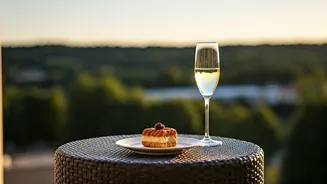
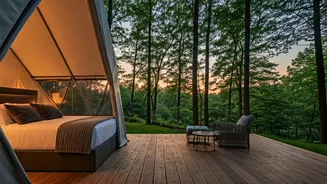
The single most valuable, and rarest, amenity a resort can offer is space. Not just a sprawling suite, but mental and physical breathing room. This is what low occupancy truly delivers. It’s the ability to walk down to the beach and find a quiet spot without navigating a labyrinth of other people’s towels. It’s the silence of a breakfast patio where the only sounds are birds and the clink of silverware, not the frantic buzz of a crowded buffet line. When a resort isn’t bursting at the seams, the entire property becomes your private oasis. You’re not just confined to your room for peace; the gardens, the library, the quiet corners of the bar all become accessible extensions of your personal space. In this environment, the pressure to “get your money’s worth” by battling for resources evaporates. Instead, you can simply exist, relax, and enjoy the surroundings as they were intended. This quiet abundance, not an endless list of features, is the bedrock of a genuinely premium feel.
The Psychology of Being a Guest, Not a Number
Low occupancy fundamentally changes the dynamic between you and the resort staff. When a hotel is running at full, frantic capacity, service becomes transactional and reactive. Staff are understandably overwhelmed, rushing to clear tables, check in queues of people, and respond to a constant barrage of requests. They are managing a crowd. But in a low-occupancy setting, the service shifts from reactive to proactive and personalized. The bartender has time to remember your favorite drink. The concierge can offer thoughtful, unhurried advice. You’re greeted by name not because a script demands it, but because the staff genuinely has the capacity to recognize you. This level of attention makes you feel like a cherished guest rather than just another customer occupying room 308. It fosters a sense of belonging and care that no amount of marble or thread count can replicate. You’re no longer a cog in the resort’s revenue machine; you’re part of a select, serene experience.
A Growing Shift in Traveler Priorities
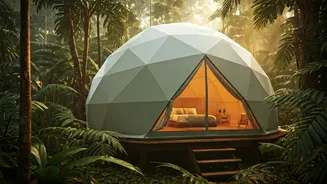
This appreciation for space and quiet isn't just a niche preference; it’s a growing movement, accelerated by a world that has become acutely aware of crowds and personal space. Discerning travelers are increasingly rejecting the mega-resort model in favor of boutique hotels, private villas, and off-season travel. They are actively seeking out the very thing that low occupancy provides: an escape from the masses. The travel industry is slowly taking note, with a rising emphasis on “slow travel” and exclusivity defined by privacy rather than opulence. People are realizing that paying a premium for a vacation, only to spend it waiting in lines and navigating crowds, is a poor investment in their well-being. The ultimate flex is no longer posting a photo from a world-famous, jam-packed location, but from a place of beautiful, enviable solitude.