





The Rise of the ‘Heat-scape’
Forget the classic winter getaway to a sunny beach. A new travel trend is emerging: the “heat-scape.” Instead of fleeing the cold, Americans in the Sun Belt and other heat-prone regions are using their vacation days to flee the oppressive, dangerous heat of their own
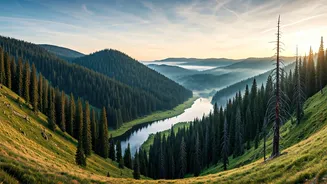
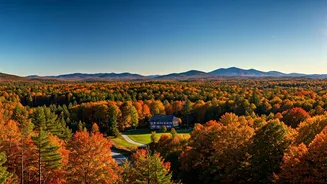
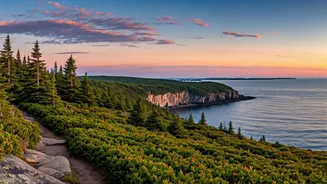
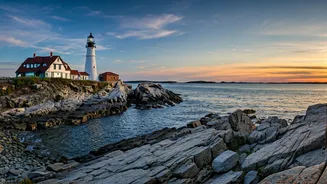
summers. Travel data shows increased interest in destinations like Maine, Minnesota, Michigan, and the Pacific Northwest during July and August. These trips aren’t just about seeing a new place; they are a form of short-term climate adaptation. People are booking Airbnbs and hotels for weeks at a time in places where they can comfortably walk outside, open their windows at night, and give their air conditioning units (and their electricity bills) a much-needed break. It's a temporary reprieve that doubles as a scouting trip for those contemplating a more permanent move.
Meet the ‘Summer-bird’
The traditional snowbird—a retiree who flees northern winters for Florida or Arizona—is a familiar concept. Now, a reverse phenomenon is gaining traction. Meet the “summer-bird,” a resident of a super-hot state who migrates to a cooler climate for the entire summer season. This goes beyond a two-week vacation. It involves renting an apartment or owning a small second home in a place like Duluth, Minnesota, or Portland, Maine, for three to four months. This trend is driven by those with the financial means and flexible work arrangements, such as remote workers and retirees. They aren't ready to give up their primary homes and communities, but they’ve decided that enduring relentless 100-plus-degree temperatures for a quarter of the year is no longer tenable for their physical or mental health.
The Great Climate Relocation
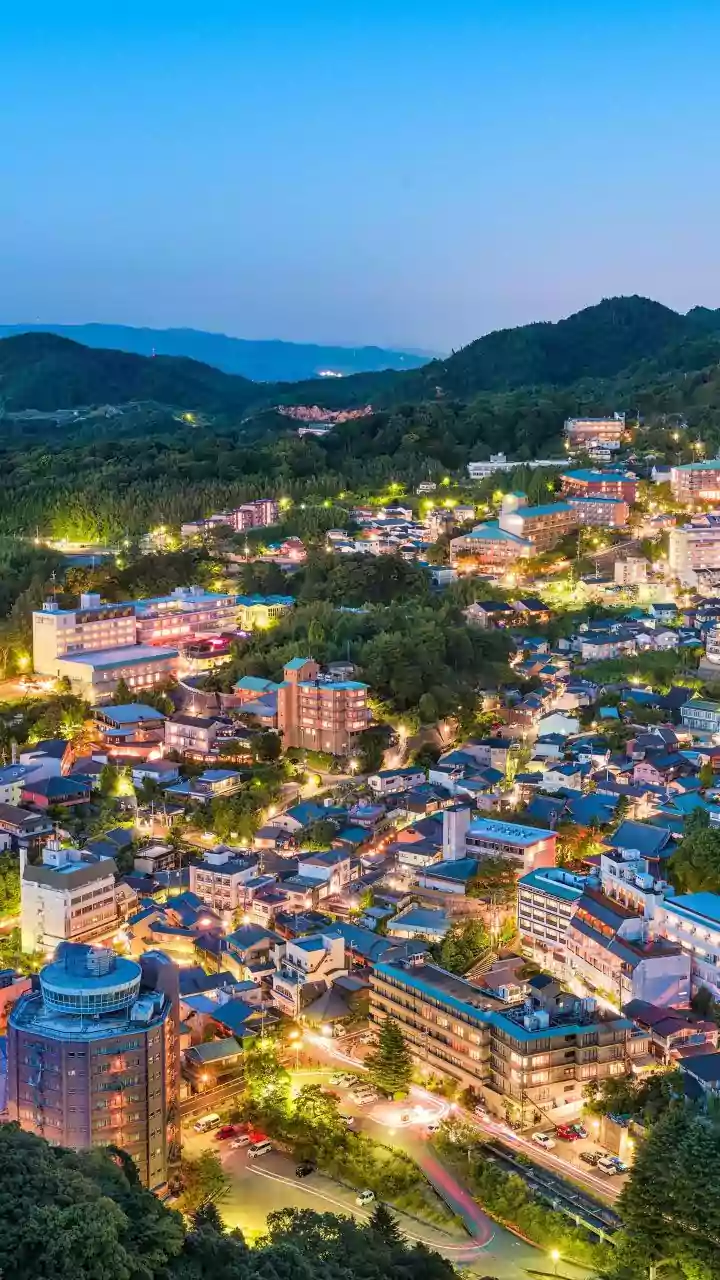
For a growing number of people, a temporary escape isn’t enough. The most significant form of escape planning is permanent relocation, often referred to as climate migration. Real estate market data from companies like Redfin and Zillow has begun to reflect this shift. While factors like affordability and job markets remain primary drivers, climate resilience is becoming a key variable. Cities in the Great Lakes region and the Northeast, once part of the “Rust Belt,” are now being rebranded as “Climate Havens.” Places like Buffalo, New York; Madison, Wisconsin; and Burlington, Vermont, are increasingly cited in media reports as destinations for climate migrants. They offer what a growing portion of the country is losing: access to fresh water, four distinct (and milder) seasons, and a power grid less strained by constant, extreme heat.
How to Plan Your Own Escape
If the heat has you contemplating a move, it’s crucial to think beyond just a cooler weather forecast. First, consider the financial implications. Housing markets in many “climate haven” cities are becoming more competitive, partly due to this influx. Don’t assume a move will automatically save you money. Second, investigate the job market and economic landscape of your target area, especially if you aren’t a remote worker. Third, factor in the “culture shock.” Moving from a sprawling sun-drenched metro like Phoenix to a smaller, denser city with long winters is a major lifestyle adjustment. Finally, do your research on secondary climate risks. A city might be safe from extreme heat, but is it prone to flooding, wildfires, or severe winter storms? A true climate haven offers resilience on multiple fronts, not just a lower summer thermostat.