
Moving Beyond the Samosa
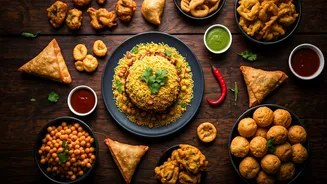
Let’s be clear: there is nothing wrong with a samosa. The crispy, potato-filled triangle is a global icon for a reason. But for too long, the American understanding of Indian food has been limited to a handful of restaurant staples—creamy sauces, tandoori
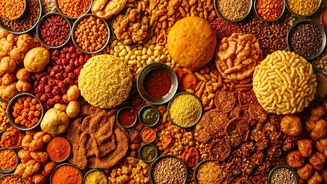
meats, and pillowy naan. The vast, dynamic universe of what Indians eat between meals, on the street, or with afternoon chai has remained largely under the radar. That’s changing, fast. We're not just talking about one or two new items showing up in the 'international' aisle. We're talking about a full-blown culinary movement where snacks like bhel puri, chakli, and dhokla are being celebrated for their own unique merits, textures, and flavors, independent of a formal dinner menu.
The Glorious Chaos of Chaat
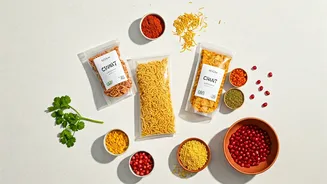
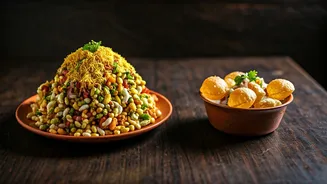
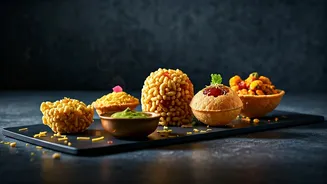
To understand Indian snacking is to understand chaat. The word itself means 'to lick' in Hindi, and it’s less a specific dish than a category of savory magic. Chaat is an explosion of contrasting flavors and textures in every bite: crunchy, soft, sweet, sour, spicy, and cooling, often all at once. Think of bhel puri, a mix of puffed rice, tiny fried noodles (sev), potatoes, onions, and chutneys, or pani puri, where hollow, crispy spheres are filled with spiced water, tamarind chutney, and chickpeas. This isn't a bag of chips you mindlessly munch on the couch. Chaat is an experience—a vibrant, interactive, and deeply satisfying event that’s the cornerstone of Indian street food culture. Now, restaurants and pop-ups across the U.S. are dedicating entire sections of their menus to it, treating it not as an appetizer, but as the main event.
The New Guard of Entrepreneurs
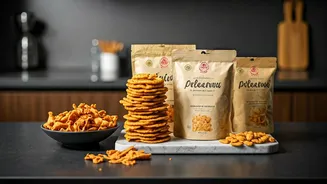
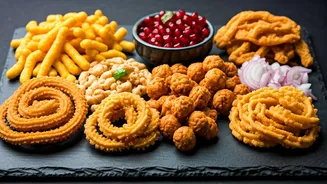
So, why now? A huge part of the answer lies with a new generation of Indian-American entrepreneurs. Many grew up enjoying these snacks at home but couldn't find high-quality, authentic versions in mainstream American stores. Instead of waiting for someone else to do it, they took matters into their own hands. Companies are launching with a fresh, modern approach to branding and a non-negotiable commitment to authentic flavors. They’re not 'dumbing down' the spice or altering recipes for a presumed American palate. Instead, they are betting that Americans are ready for the real deal. They are telling stories about their heritage through their products, connecting the crunch of a murukku (a spiral-shaped, savory fried snack) or the tang of aam papad (fruit leather) to specific regions, family recipes, and cultural memories.
From Niche Aisle to Prime Shelf
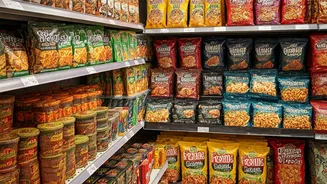
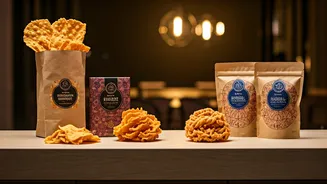
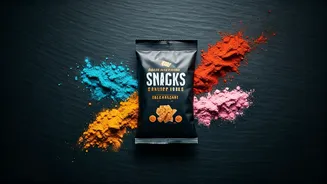
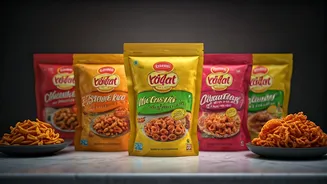
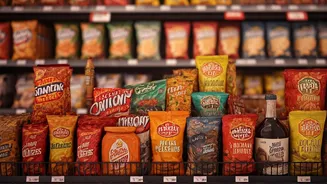
This isn't just a grassroots movement; it's smart business. These new brands are bypassing the dusty 'ethnic' aisle and aiming for prime shelf space at retailers like Whole Foods and popular online grocers. They’re packaging their products in bright, stylish bags that stand out next to established American brands. Venture capitalists are taking notice, investing in companies that are successfully bridging the cultural gap. This shift signifies a deeper form of respect. It’s a recognition that Indian snacks aren’t a niche 'other' but a vital and exciting part of the global—and now American—culinary tapestry. It signals that flavors like tamarind, black salt (kala namak), and chaat masala are becoming as familiar and desirable as jalapeño or sour cream and onion.