


From a Simple Bath to a Spa Day
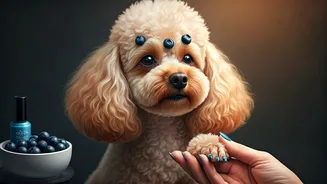
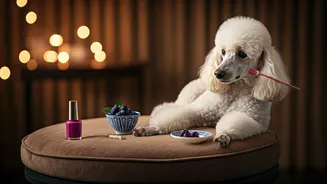
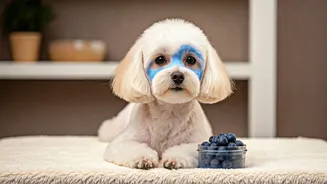
The days of a standard shampoo-and-clip being the height of canine luxury are over. Today’s grooming menus are borrowing heavily from the human wellness world. It’s now common to find services like blueberry facials, which promise to brighten fur and reduce
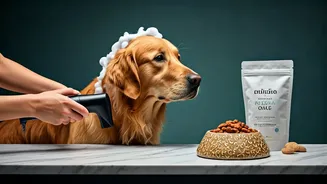
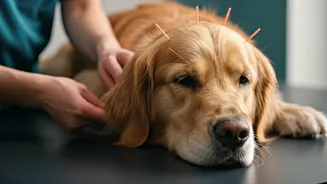
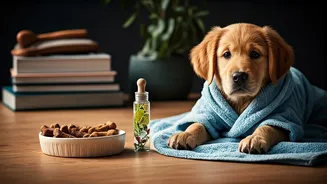
tear stains, or moisturizing paw treatments—the “pawdicure”—that soothe cracked pads with balms and butters. But it doesn't stop there. Discerning pet parents can book their companions for de-shedding mud baths, aromatherapy sessions using pet-safe essential oils to promote calmness, and even non-invasive coat coloring with vibrant, temporary dyes. These aren’t just novelties offered in a few big-city boutiques; they are increasingly standard add-ons at grooming businesses across the country, turning a routine chore into a full-blown pampering experience. The focus has shifted from simple hygiene to holistic well-being, addressing everything from skin health to a pet’s anxiety levels.
The Great 'Pet Humanization'
So, why are we suddenly giving Fido the five-star treatment? The answer lies in a powerful cultural shift known as “pet humanization.” More than ever, Americans see their pets not just as animals they own, but as integral members of the family. The term “pet parent” has replaced “pet owner,” and “fur baby” is used with complete sincerity. This emotional shift has profound economic consequences. According to the American Pet Products Association (APPA), Americans are spending record amounts on their pets, with a significant portion going toward premium services that mirror human lifestyle trends. Millennials and Gen Z are at the forefront of this movement. Often delaying major life events like marriage or having children, many pour their nurturing instincts and disposable income into their pets. They apply the same standards of care to their dog or cat that they would to a child, seeking out high-quality food, stimulating toys, and, yes, premium grooming services that promise to enhance their pet’s quality of life.
The Wellness Industry's Newest Customer
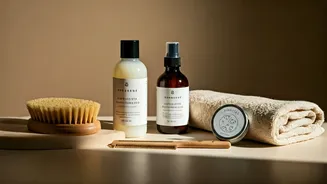
The language surrounding these new grooming trends is telling. Words like “organic,” “natural,” “holistic,” and “artisanal” are everywhere. This vocabulary is lifted directly from the multi-billion-dollar human wellness industry. We’ve spent the last decade optimizing our own lives with clean eating, mindfulness apps, and self-care rituals. Now, we’re applying that same playbook to our pets. A dog’s anxiety isn't just a behavioral issue; it's an opportunity for a calming aromatherapy session. A cat’s shedding isn't just a nuisance; it's a reason to book a deep-conditioning fur treatment. By framing these services in the familiar, aspirational language of wellness, the pet care industry has successfully tapped into our desire to provide the very best for our loved ones, regardless of species. It allows pet parents to feel they are being proactive, thoughtful, and modern in their approach to animal care.
Is It For Them, or Is It For Us?
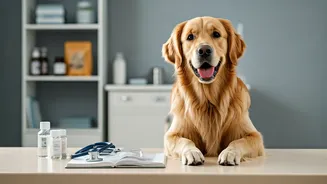
The inevitable question arises: does a Golden Retriever actually appreciate a cucumber-scented paw soak? Probably not in the way a human would. While some treatments have clear benefits—medicated baths for skin conditions, gentle handling for anxious animals—many of the more elaborate services are primarily for the owner's benefit. And that’s not necessarily a bad thing. Providing these special treatments is a tangible way for people to express their love and affection. In a world where we communicate care through action, booking a pet massage is a modern love language. It provides the owner with the satisfaction of knowing they are doing something special for a creature that gives them unconditional love. It’s a form of emotional fulfillment, reinforcing the bond between human and animal. While the dog might be just as happy with a belly rub and a long walk, the spa day becomes a ritual that celebrates that relationship.