






First, What Is ‘Fiber Maxxing’?
Before we get to the cabbage, let's unpack the term. “Fiber maxxing” is a modern way of describing a focused effort to significantly increase dietary fiber consumption. The goal isn’t just to meet the daily recommended intake (about 25 grams for women
and 38 for men) but to leverage fiber’s full spectrum of benefits. These include improved digestive regularity, a healthier gut microbiome, better blood sugar control, and increased satiety, which can aid in weight management. Proponents are looking for foods that deliver a high dose of fiber without an excessive caloric or financial cost, making the practice sustainable for the long haul. It’s less about a short-term diet and more about a long-term strategy for overall health optimization.
A Fiber Powerhouse in Plain Sight
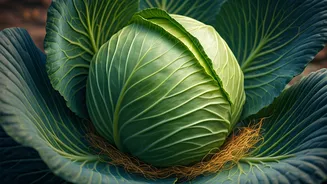
So, where does cabbage fit in? While it might not scream “superfood” like kale or quinoa, its nutritional profile is formidable. A single cup of chopped cabbage contains about 2.2 grams of dietary fiber. That might not sound like a huge number on its own, but its low calorie count (around 22 calories per cup) makes it incredibly fiber-dense. More importantly, cabbage provides a healthy mix of both insoluble and soluble fiber. Insoluble fiber, often called “roughage,” adds bulk to stool and helps food pass more quickly through the digestive system, promoting regularity. Soluble fiber dissolves in water to form a gel-like substance, which can help lower cholesterol and stabilize blood glucose levels. This dual-action fiber makes cabbage a uniquely effective tool for digestive health.
Beyond the Fiber: A Nutrient-Dense Core
Arguing for cabbage’s essential role is easy when you look past the fiber. This cruciferous vegetable is packed with other vital nutrients that support a healthy body. It’s an excellent source of Vitamin C, an antioxidant crucial for immune function and skin health, and Vitamin K, which is vital for blood clotting and bone health. Cabbage also contains powerful compounds called glucosinolates. When chopped or chewed, these compounds are converted into isothiocyanates, which studies suggest have potent anti-inflammatory and antioxidant properties. So, while you’re “maxxing” your fiber, you’re also loading up on micronutrients that protect your cells from damage and support systemic health.
The Ultimate Budget-Friendly Health Hack
Perhaps the most compelling reason cabbage is essential to a fiber-forward diet is its accessibility. In a world of $10 green juices and expensive specialty powders, a head of cabbage often costs just a few dollars. It’s available year-round in nearly every grocery store across the country. Furthermore, it has an impressively long shelf life compared to more delicate leafy greens. A whole head of cabbage can last for weeks in the crisper drawer of your refrigerator, minimizing food waste and making it a reliable staple you can always have on hand. This combination of low cost and longevity makes consistently hitting your fiber goals far more realistic.
Unlocking Its Culinary Versatility
Many people’s experience with cabbage begins and ends with coleslaw. But to truly leverage it for fiber maxxing, you need to think bigger. Its mild flavor and hearty texture make it a culinary chameleon. Try roasting thick wedges of cabbage with olive oil and spices until tender and caramelized. Finely shred it and add it to soups, stews, or stir-fries to bulk them up with nutrients. Use large, blanched cabbage leaves as a low-carb substitute for tortilla wraps or sandwich bread. You can even sauté it with a bit of garlic and onion for a simple, delicious side dish. By incorporating cabbage into your meals in these diverse ways, you can easily add a significant fiber boost without getting bored.