
More Than Just a Photo Op
At first glance, traveling to see flowers might seem like just another Instagram-driven fad. After all, who hasn't seen influencers posing in a field of poppies or sunflowers? But look closer and you’ll find a movement that’s far deeper than a thirst
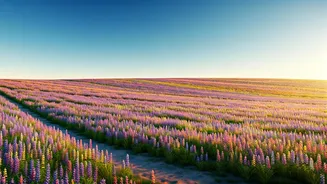
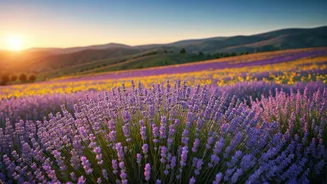
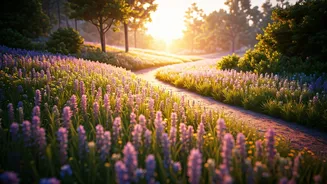
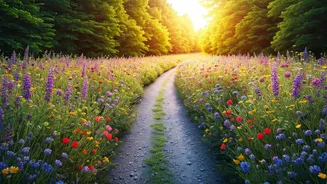
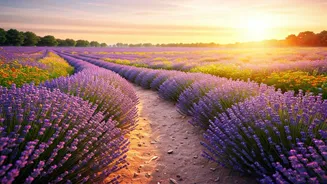
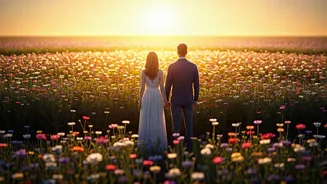
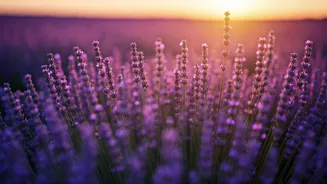
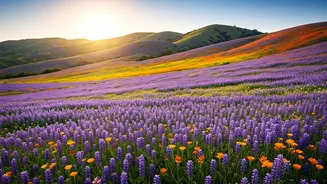
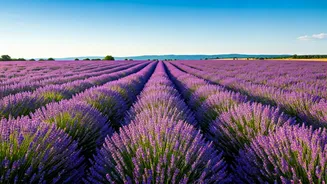
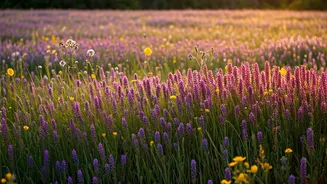
for social media likes. Flower travel is the intentional act of planning a trip around a specific, ephemeral bloom. It’s not about snapping a quick photo and leaving; it's about surrendering your schedule to nature’s clock. This isn't a weekend jaunt to a botanical garden. It’s a pilgrimage to witness a fleeting natural spectacle, whether it’s the legendary California 'superbloom' that carpets deserts in color, the endless lavender fields of Provence (or Oregon), or the meticulously planted tulip rows in the Netherlands (or Washington State). The destination is an event, one that’s beautiful, temporary, and completely indifferent to human deadlines.
The Anti-Burnout Statement
So why is this a 'flex'? Because in our hyper-productive world, the most valuable commodity isn't money; it’s unstructured time. Taking a trip centered around something as simple and slow as a flower field is a quiet act of rebellion. It’s a tangible rejection of the 'optimization' mindset that has bled from our work lives into our vacations. Traditional travel can often feel like a checklist: see the monuments, eat at the famous restaurants, do all the things. Flower travel, by contrast, has only one thing on its agenda: to be present. There’s nothing to 'do' in a field of wildflowers except walk, look, and breathe. This deliberate lack of activity is the entire point. It’s a declaration that you have the mental and temporal space to appreciate something that offers no tangible ROI, no productivity hack, and no skill to be mastered. The flex isn't about affording the plane ticket; it's about affording the peace of mind to truly enjoy it.
America's Most Stunning Blooms
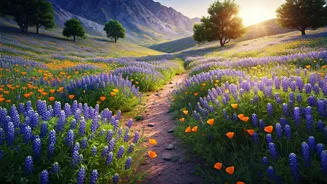
This trend isn’t just for international jet-setters. The U.S. offers a stunning variety of floral pilgrimages. Every spring, the Skagit Valley in Washington transforms into a vibrant patchwork of tulips and daffodils, rivaling the famous fields of Holland. In Texas, the bluebonnet season sees roadsides and pastures blanketed in a sea of deep blue, a beloved statewide phenomenon. Further west, the Anza-Borrego Desert State Park in California becomes the epicenter of the much-anticipated superbloom, a rare event where dormant seeds erupt in a riot of color after a wet winter. Meanwhile, Oregon and Washington host fragrant lavender festivals in the summer, and states like Kansas and the Dakotas boast impossibly vast fields of sunflowers in late August. Each of these events requires planning and a bit of luck. You can't summon a bloom on demand, which forces travelers to be flexible and patient—two virtues in short supply in modern life.
The New Definition of Luxury
For decades, luxury travel was defined by exclusivity, service, and opulence—think private villas, Michelin-star dining, and first-class everything. While that still holds appeal, flower travel represents a parallel definition of luxury, one centered on experience and well-being. It’s the luxury of disconnecting. It's the luxury of aligning yourself with a natural cycle instead of a Google Calendar. The 'status' comes from demonstrating a value system that prioritizes presence over performance. In a world of digital noise, the silence of a field of flowers is the ultimate prize. Sharing a photo of it isn't just saying, 'Look where I am,' but 'Look at the state of mind I was able to achieve.' It’s a subtle but powerful signal that you’ve opted out, even temporarily, from the relentless pace of modern life. That, more than any designer bag or sports car, is becoming the thing to aspire to.