




Beyond the Sun and Sand
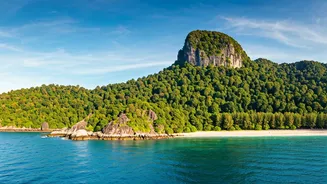
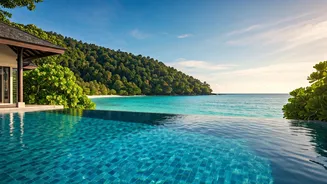
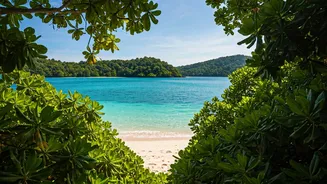
For most visitors to India’s Andaman and Nicobar Islands, the daily rhythm is a familiar and welcome one: wake to the sun, explore pristine coral reefs, and relax on some of the most beautiful beaches in Asia. Islands like Havelock (officially Swaraj
Dweep) are postcard-perfect destinations. But the most unforgettable moments here don't always happen under the bright tropical sun. They happen in the deep, velvety darkness, when the ocean itself seems to wake up and put on a show. This is the world of night kayaking, an activity that trades the vibrant colors of daytime for a subtle, profound, and utterly mesmerizing display of natural light. It’s an adventure that asks you to leave the comfort of the beach resort behind and paddle into the unknown, where the rewards are unlike anything you can see in a photograph.
Paddling into the Velvet Dark
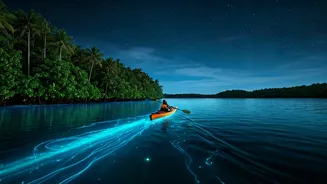
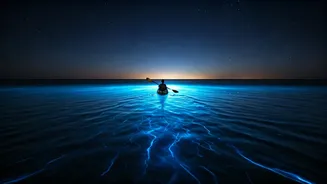
The journey begins as twilight fades completely. Led by a local guide, you’ll typically start from a quiet beach or a sheltered mangrove creek. There’s a moment of gentle apprehension as you push your kayak into the inky water. The familiar sounds of the island—the distant music, the hum of civilization—begin to recede, replaced by the gentle lapping of water against your hull and the quiet chirping of nocturnal insects in the mangroves. Above, the sky, free from the light pollution of major cities, reveals a breathtaking canopy of stars. Your guide’s voice is a reassuring presence, pointing out constellations and explaining the unique ecosystem you’re about to enter. You’re not just going for a paddle; you’re immersing yourself in the island's nighttime pulse, becoming a quiet observer in a world that comes alive after dark.
The Ocean Awakens with Light
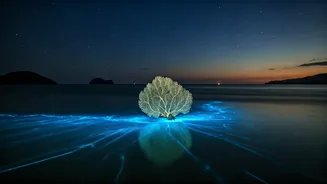
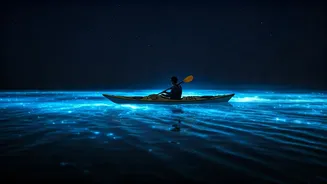
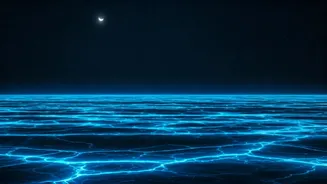
And then, you see it. With the first deep stroke of your paddle, the water explodes in a swirl of ghostly blue-green light. It’s not a reflection; it’s a reaction. Every movement creates a fleeting, sparkling trail. Dip your hand into the water, and it comes up dripping with what looks like liquid stars. A fish darts beneath your kayak, leaving a bright, comet-like streak in its wake. This is bioluminescence, a natural phenomenon that turns the sea into your own private galaxy. The effect is surreal and deeply moving. You find yourself paddling in slow, deliberate circles, just to watch the mesmerizing patterns unfold. In the profound silence, broken only by your paddle stirring the glowing water, the experience feels less like a tourist activity and more like a sacred, personal communion with nature.
The Science Behind the Magic
This ethereal glow isn’t magic, but it might as well be. The light is produced by microscopic marine organisms called dinoflagellates—a type of phytoplankton. When the water they live in is agitated by a paddle, a hand, or a swimming fish, these tiny creatures release a burst of light as a defense mechanism. It’s a chemical reaction known as bioluminescence, the same process that allows fireflies to glow. The effect is strongest on dark, moonless nights, when the ambient light from the sky doesn’t wash out the phytoplankton’s subtle sparkle. Knowing the science behind it doesn’t diminish the wonder; if anything, it adds a layer of appreciation for the intricate and beautiful mechanics of the natural world.
How to Experience the Glow
If you’re planning a trip to the Andamans, adding this to your itinerary is a must. The primary hub for bioluminescence kayaking tours is Havelock Island (Swaraj Dweep), with several reputable operators offering guided trips. These excursions are typically safe and suitable for beginners, as they take place in calm, sheltered waters and all necessary equipment, including life jackets, is provided. The key to a spectacular experience is timing. Check the lunar calendar and book your tour for a night close to the new moon. The less moonlight, the more dramatic the bioluminescence will be. While you can’t capture the low-light magic on your phone camera, it’s an experience that will be permanently etched in your memory, far more vivid than any photo could be.