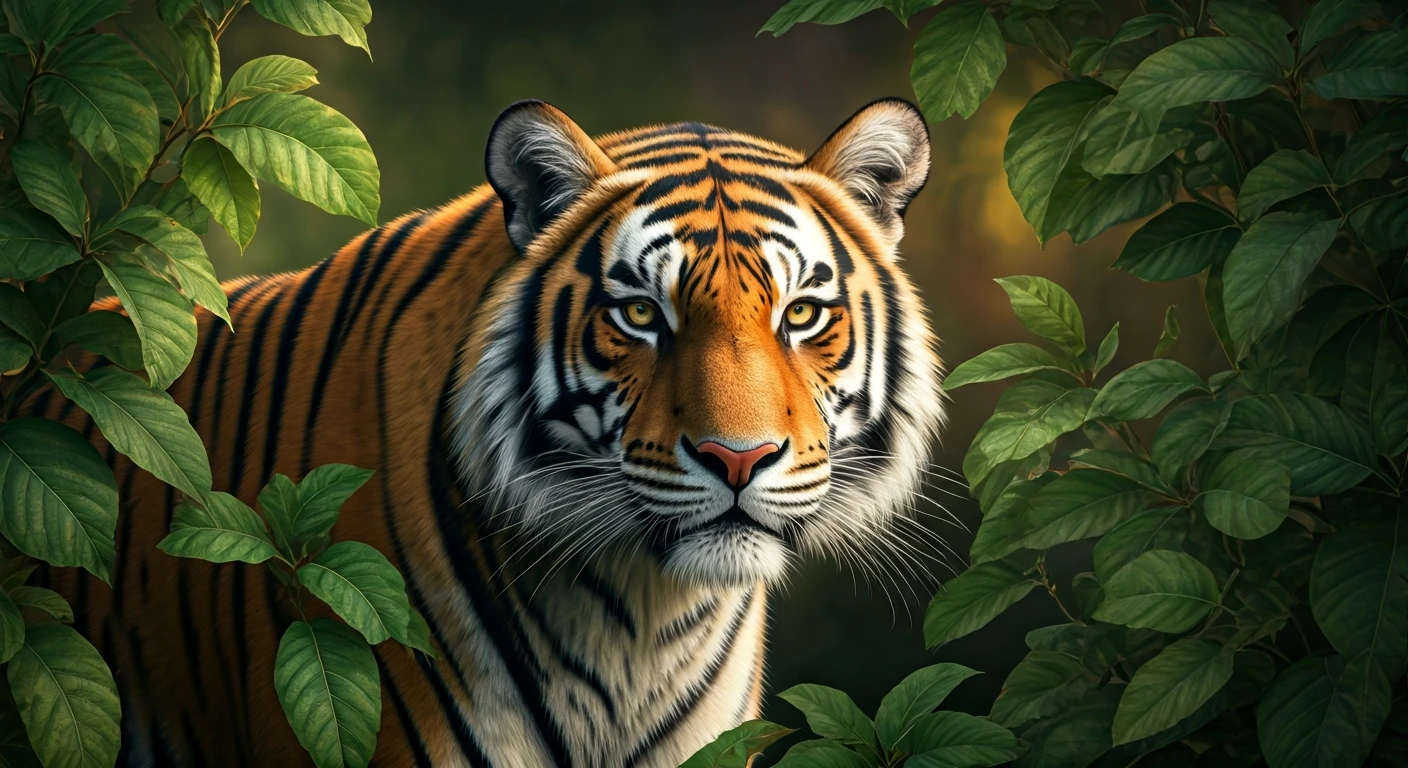




The Great Jungle Shutdown
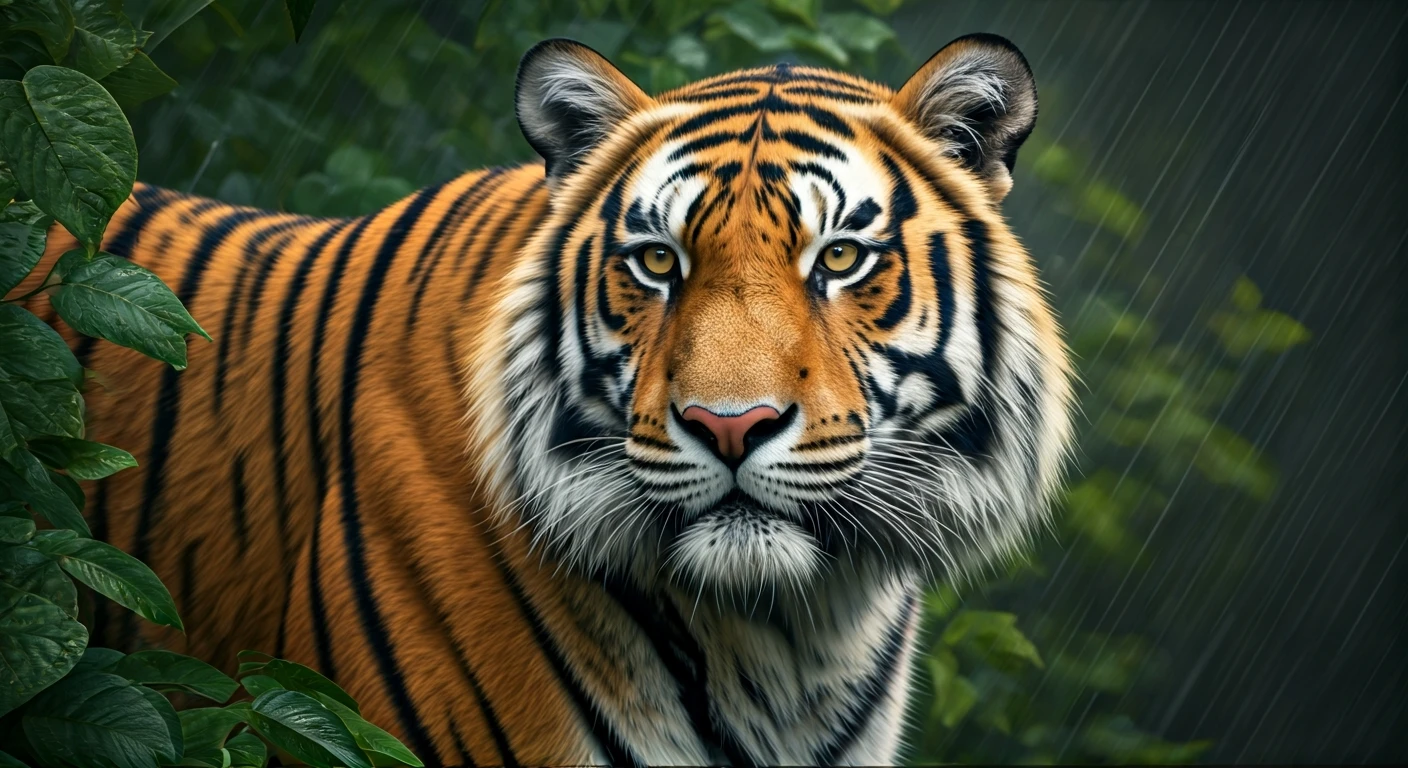
It’s an annual event as predictable as the rains themselves. Around the end of June, the core zones of India’s premier tiger reserves—places like Ranthambore in Rajasthan, Bandhavgarh in Madhya Pradesh, and Corbett in Uttarakhand—shut down for tourists.
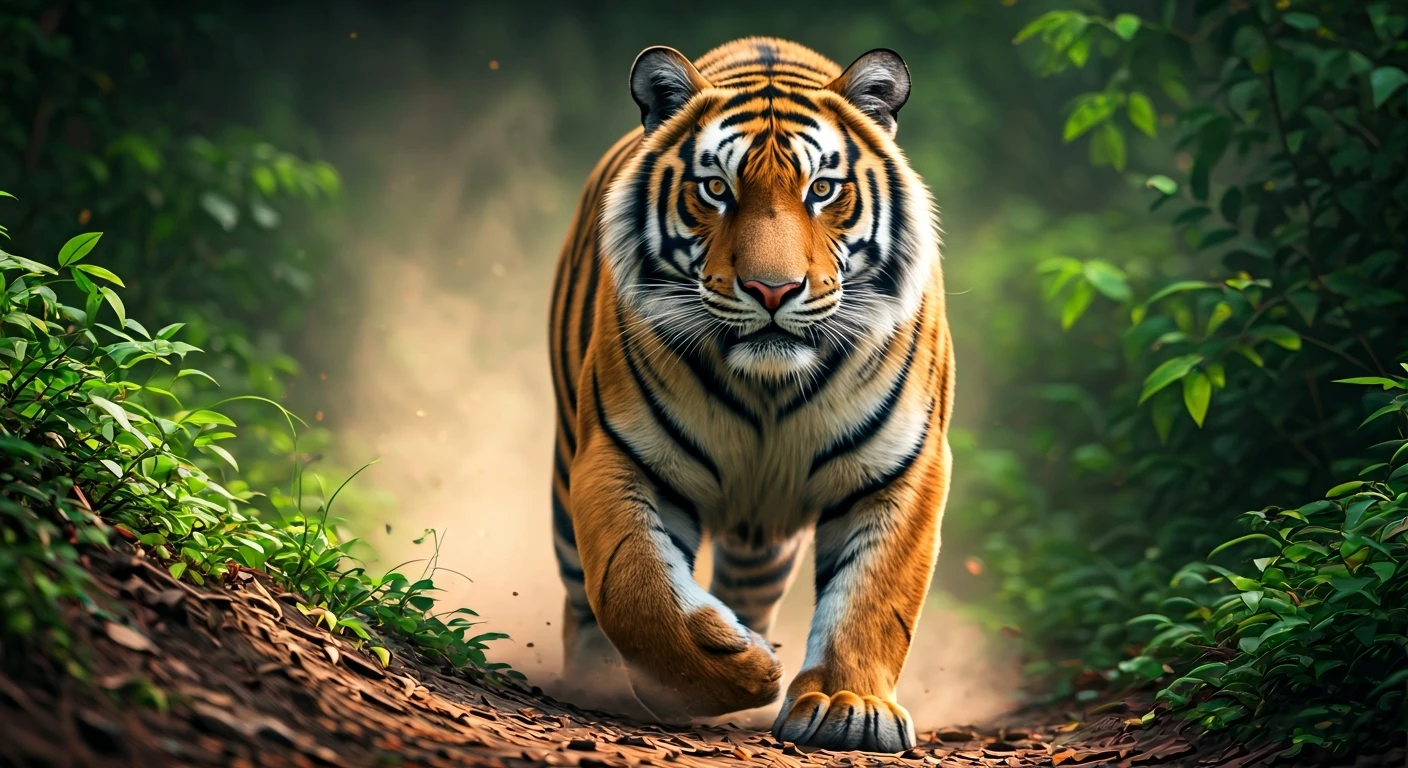
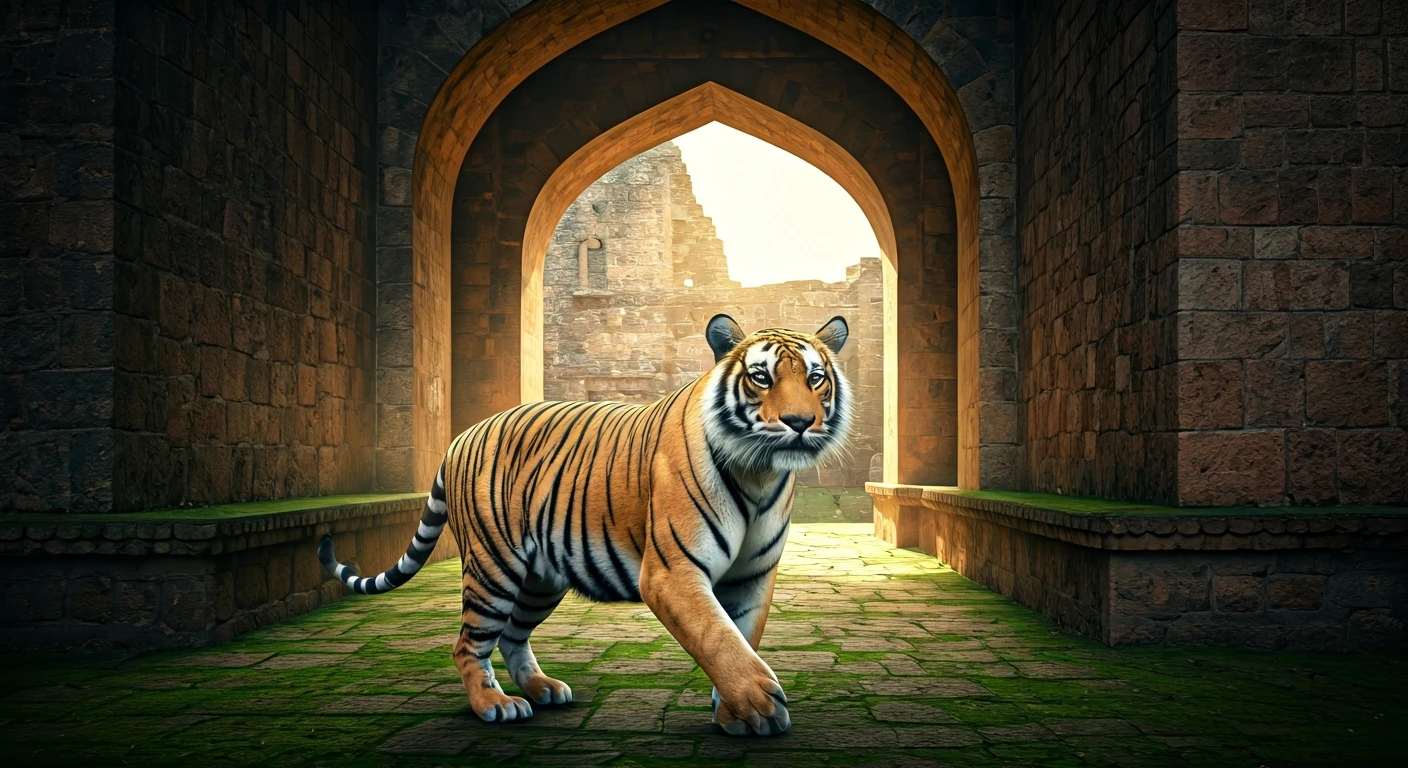
From July 1 until September 30 or mid-October, the dusty tracks that carry safari jeeps deep into the wilderness are closed to all commercial activity. For travelers unaware of this cycle, it can be a source of major disappointment, scuttling a once-in-a-lifetime trip. But for the jungle, and for the tigers themselves, this shutdown is not a disruption; it's a vital, life-giving pause.
Why the Monsoon Means 'Closed'
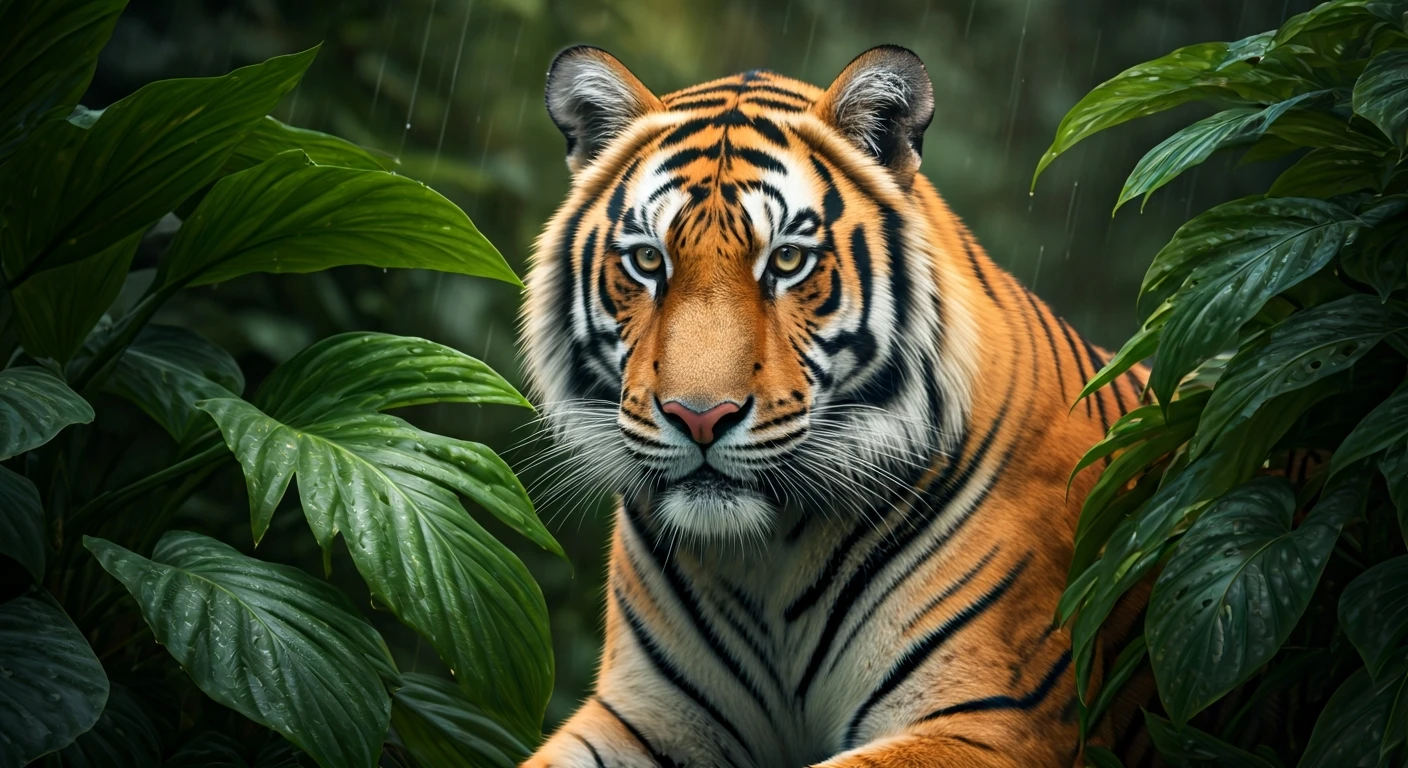
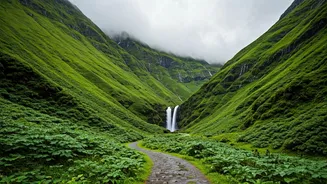
The monsoon season in India is a force of nature. It’s not just a bit of rain; it’s a period of sustained, heavy downpours that transform the subcontinent. For the national parks, this presents two major challenges. First, logistics. The unpaved dirt roads that crisscross the reserves turn into impassable rivers of mud. Streams and rivers swell, washing away paths and making safari drives unsafe and often impossible. But more importantly, the closure is about conservation. The monsoon is a time of renewal for the forest. The rains rejuvenate the vegetation, replenishing waterholes and giving the landscape a much-needed drink after the scorching heat of summer. It’s also a crucial breeding period for many animals, including the tigers' prey. Giving the wildlife a three-month reprieve from the rumbling of jeeps and the clicking of cameras reduces stress and allows natural behaviors to proceed undisturbed. The jungle, in essence, gets its privacy back.
The Best Seasons for Tiger Spotting
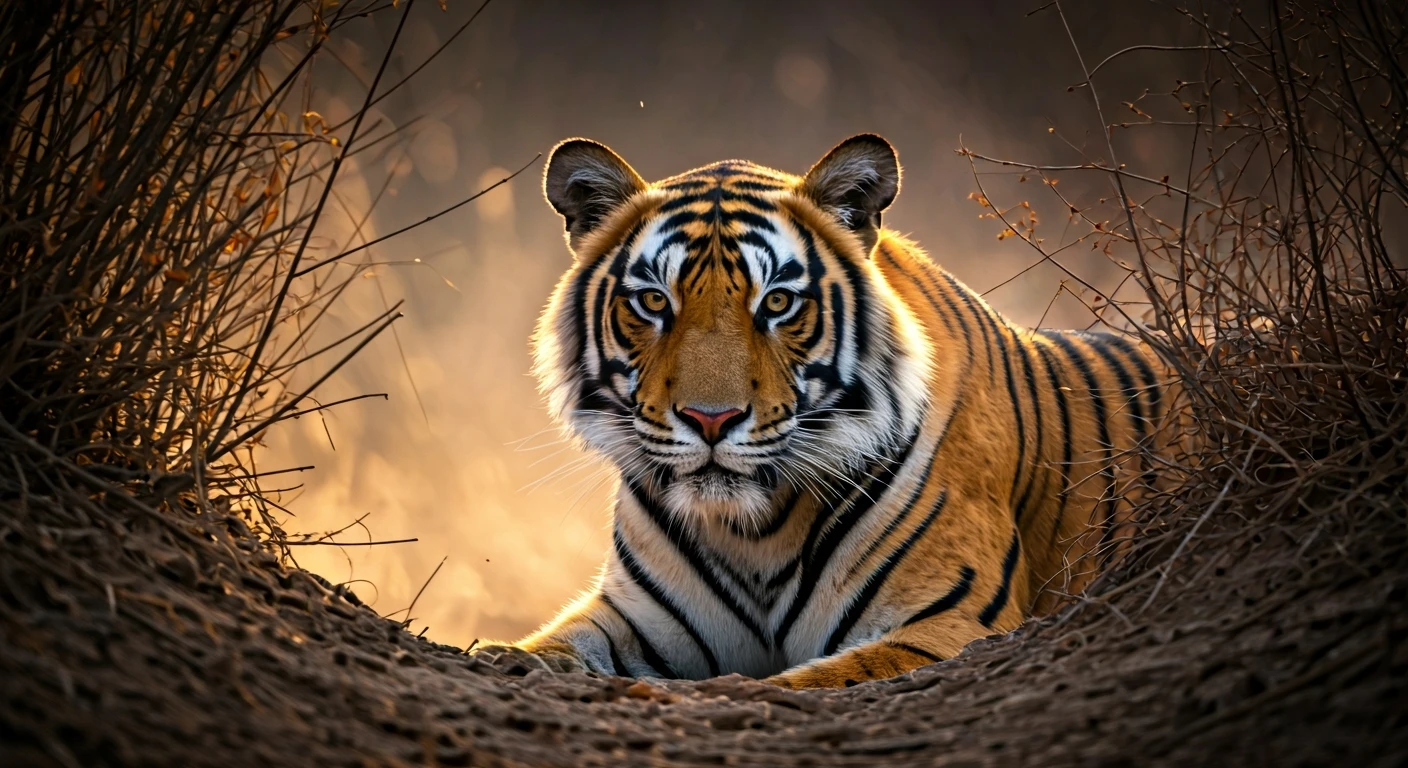
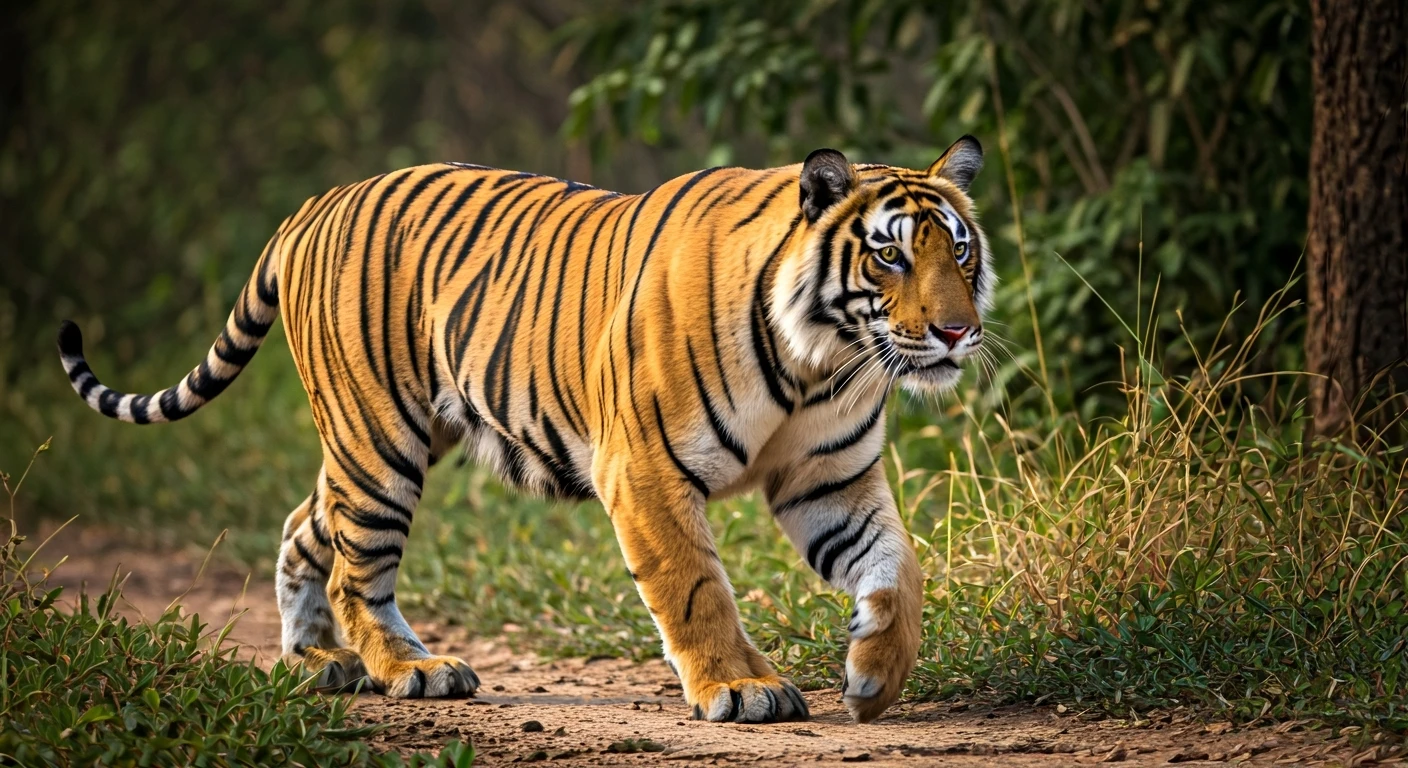
So if the monsoon (July-September) is out, when should you go? There are two prime windows for tiger safaris, each offering a different experience. The first is the post-monsoon season, from October to January. The parks reopen to a world of stunning, emerald-green beauty. The landscape is lush, the air is clean, and the temperatures are pleasant. While the dense foliage can make spotting tigers slightly more challenging, the sheer beauty of the revitalized forest is a reward in itself. The second window is the hot, dry season, from March to June. This is often considered peak tiger-sighting season. As water sources dwindle, tigers are forced to congregate around the few remaining waterholes, making them more predictable and easier to find. The trade-off is the weather: temperatures can soar above 100°F, making for a dusty and intense safari experience. For many, the high probability of a sighting is worth the discomfort.
Are There Any Exceptions?
While the core zones of most major tiger reserves do close, there are some exceptions and nuances. Some parks, like Tadoba-Andhari in Maharashtra, have experimented with keeping certain buffer zones or even parts of their core area open to tourists during the monsoon, weather permitting. These “monsoon safaris” offer a unique, if sometimes soggy, perspective on the jungle. Additionally, parks in different regions of India may operate on slightly different schedules. It is absolutely essential to check the official websites of the specific national parks you wish to visit, as dates and rules can change annually based on local conditions and government directives. Never assume a park is open; always verify before you book flights or accommodations.
Planning Your Post-Monsoon Trip
For those with their hearts set on seeing a tiger, the monsoon closure is the perfect time to plan. Safari permits for the most popular parks, especially for the peak post-monsoon months of October and November, are released online several months in advance and sell out almost instantly. Use this downtime to research lodges, finalize your itinerary, and be ready the moment booking opens. Aiming for the first few weeks after the reopening can be magical, as you’ll be among the first to see the jungle in its rejuvenated state. The tigers, rested and undisturbed, are often active and curious, providing incredible opportunities for responsible and respectful wildlife viewing.