



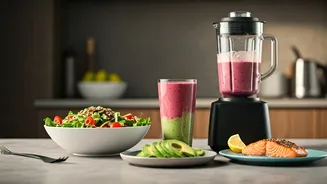

From Cardboard to Crave-Worthy
For decades, the unofficial motto of healthy eating seemed to be “if it tastes good, spit it out.” Health food was a category defined by what it lacked: fat, sugar, salt, and, all too often, flavor. It was the penance you paid for a moment of indulgence.
But a quiet revolution has been happening in our grocery stores and kitchens. The new generation of health-conscious consumers isn't willing to make that trade-off. They grew up in a foodie culture where flavor is paramount, and they expect the same from their wellness products. Food companies, from nimble startups to legacy giants, have gotten the message. Driven by advances in food science and intense competition, they’ve learned to build flavor from the ground up using whole-food ingredients, natural sweeteners like monk fruit and allulose, and sophisticated spice blends. The goal is no longer just to create a low-calorie version of a popular snack; it’s to create a genuinely delicious product that just happens to be nutritious. Think potato chips made from cricket flour that deliver a savory, umami-rich crunch, or plant-based ice creams with a creamy texture that could fool a dairy farmer. Taste is no longer an afterthought; it’s the main event.
The Convenience Revolution
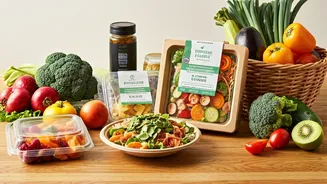
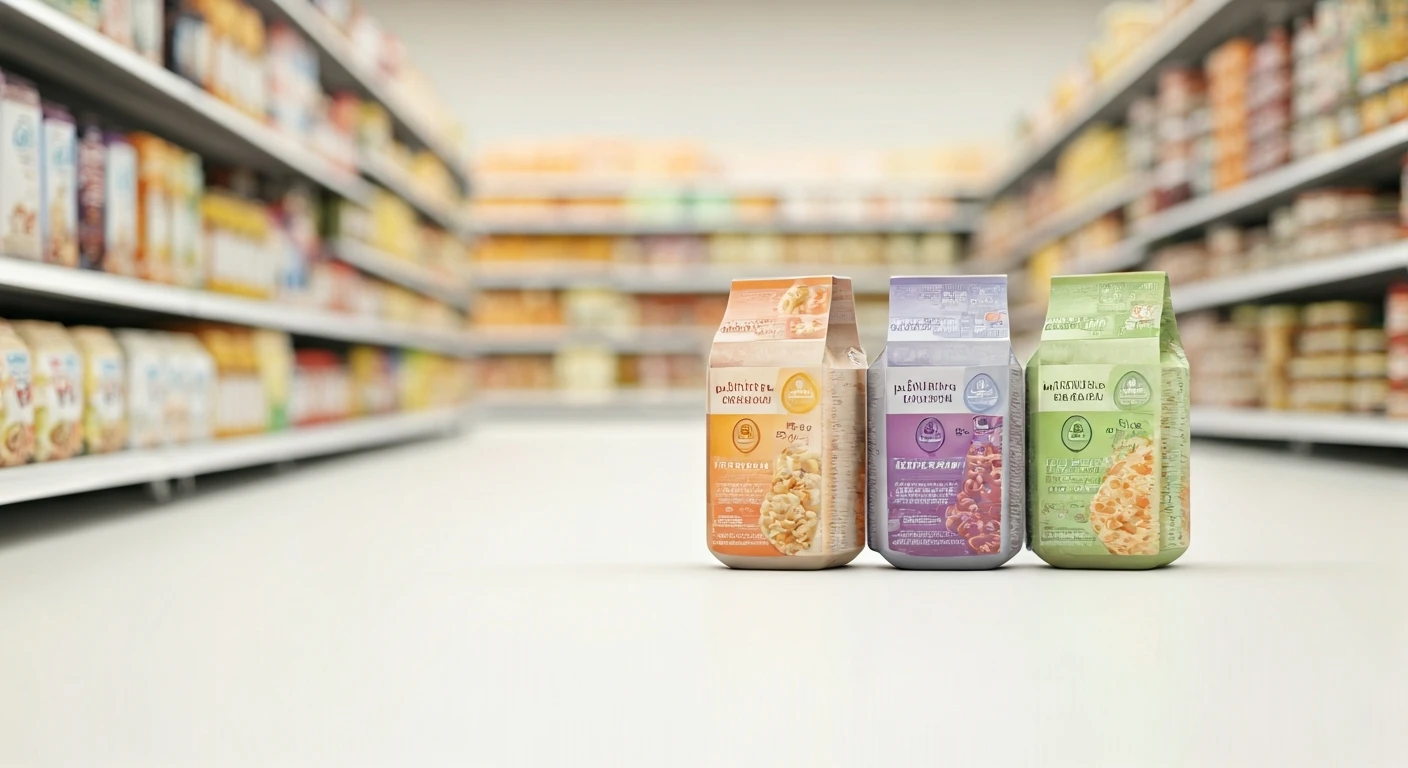
If bad taste was the first barrier to healthy eating, inconvenience was a close second. The traditional vision of a healthy lifestyle involved hours of weekend meal prep, complicated recipes, and a rigid schedule that life rarely accommodates. But modern life is defined by a time crunch, and the wellness industry has adapted accordingly. Convenience is now a key pillar of the healthy food market. This shift is most visible in the explosion of healthy meal delivery services and meal kits. Companies like Factor and Sakara Life deliver perfectly portioned, chef-prepared meals that require zero effort beyond a few minutes in the microwave. At the grocery store, the grab-and-go section has transformed from sad salads to a vibrant marketplace of high-protein snack boxes, fresh-pressed juices, and single-serving grain bowls. Even the snack aisle has been overhauled. Where you once found dusty bags of trail mix, you now see protein bars that taste like candy bars, savory vegetable crisps, and portable packets of nut butter. The underlying promise is simple: you don't have to choose between your health and your schedule.
Why Now? The Wellness Effect
So what’s driving this seismic shift? It’s not just one thing, but a powerful convergence of cultural and economic forces. The biggest factor is the evolution from “dieting” to “wellness.” For many Americans, particularly Millennials and Gen Z, health is no longer a temporary goal to be achieved through restriction. Instead, it’s an ongoing, holistic lifestyle choice—a part of their identity. They aren’t looking for a quick fix; they’re looking for sustainable habits that enrich their lives. This wellness mindset prizes balance over deprivation. It celebrates adding nutrients, not just subtracting calories. It’s also deeply influenced by social media, where vibrant smoothie bowls and picture-perfect salads are aspirational content. People want food that looks good, feels good, and tastes good. As this consumer base grew, its purchasing power forced the market to respond. Brands that stuck to the old model of joyless “diet food” were left behind, while those that embraced the new paradigm of flavorful, convenient wellness thrived.
Reading the New Food Labels
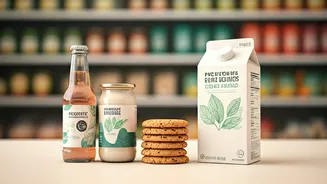
As the food itself has changed, so have the signals that consumers look for. The bold, all-caps promises of “LOW-FAT!” and “SUGAR-FREE!” that once dominated packaging feel dated. Today’s savvy shopper is scanning for different cues. A “clean label” with a short, recognizable ingredient list is often more persuasive than a low calorie count. Terms like “plant-based,” “non-GMO,” and “no artificial sweeteners” carry significant weight. There's also a rising interest in “functional foods”—products that offer benefits beyond basic nutrition. This includes everything from kombucha packed with probiotics for gut health to coffee infused with adaptogens like ashwagandha to help manage stress. The focus has shifted from avoidance (what’s *not* in the food) to inclusion (what beneficial ingredients have been *added*). It signals a more empowered and proactive approach to eating, where food is seen not as a potential enemy, but as a powerful tool for well-being.