

Beyond the Buzzword
We’ve all seen “farm-to-table” on menus for years. It was a revolutionary concept that has, frankly, become a bit diluted. A restaurant in Ohio using lettuce from California is technically “farm-to-table,” but the term has lost its punch. Enter “hyperlocal.”
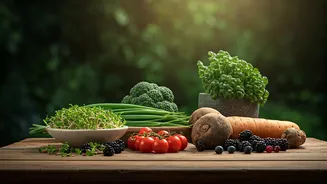
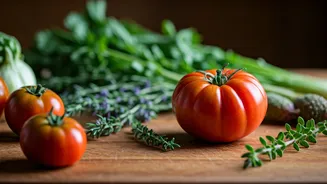
This isn’t just a trendier synonym; it’s a radical commitment to a specific place. Hyperlocal sourcing means a chef is using ingredients from an extremely tight radius—sometimes within just a few miles of the restaurant. We’re talking about vegetables from the community garden down the block, honey from a beekeeper on the edge of town, or fish caught that morning in the very bay you can see from the restaurant window. It’s a philosophy that shrinks the world down to a single, vibrant ecosystem, turning the menu into a direct reflection of its immediate surroundings.
The Story on the Plate
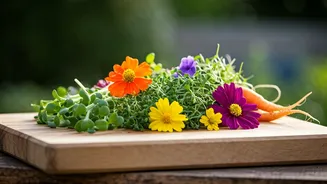
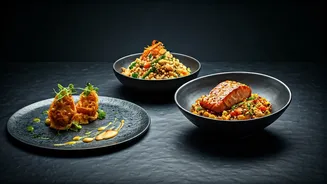
This is where menus develop what can only be described as personality. When a chef is limited to what’s nearby, they can no longer rely on generic commodity ingredients. The menu stops saying “roasted chicken” and starts saying “Roasted Chicken from Miller’s Farm with Foraged Ramps.” That simple addition isn’t just marketing; it’s storytelling. It gives the ingredient a name, a history, and a home. You’re not just eating a carrot; you’re eating a carrot grown by a specific person in specific soil just a few miles away. This narrative layer changes our relationship with the food. The dish is no longer an anonymous product but a character in the story of that region. It connects the diner, the chef, and the producer in a tangible way, making the meal feel more meaningful and grounded.
Creativity Born from Constraint
One might think that such a limited pantry would stifle a chef’s creativity. The opposite is often true. When you can’t just order Chilean sea bass or Dutch tomatoes any day of the year, you’re forced to innovate with what you have. A sudden glut of zucchini from a local farm doesn’t become a problem; it becomes a creative challenge. Suddenly, it’s featured in soups, grilled as a side, shaved into salads, and even baked into dessert. Chefs working hyper-locally become masters of preservation—pickling, fermenting, and drying the summer’s bounty to add depth and flavor to winter menus. This constraint breeds a dynamic and exciting kind of cooking. The menu becomes a living document, changing weekly or even daily based on what the fisherman brought in or what was ripe for picking that morning. It’s an improvisational dance between the chef and the land.
A True Taste of Place
In the wine world, they call it “terroir”—the idea that a wine tastes of the specific soil, climate, and environment where the grapes were grown. Hyperlocal cooking brings that same concept to the dinner plate. The minerals in the local soil really do change the flavor of a tomato. The specific diet of a pasture-raised cow affects the taste of its milk and cheese. When a restaurant commits to using ingredients exclusively from its immediate vicinity, it’s creating a culinary experience that cannot be replicated anywhere else in the world. You are, quite literally, tasting the place. This gives the restaurant’s food an authentic, unshakeable identity. It’s not just a good meal; it’s the taste of a specific corner of the world, at a specific moment in time, curated by a chef who knows it intimately.